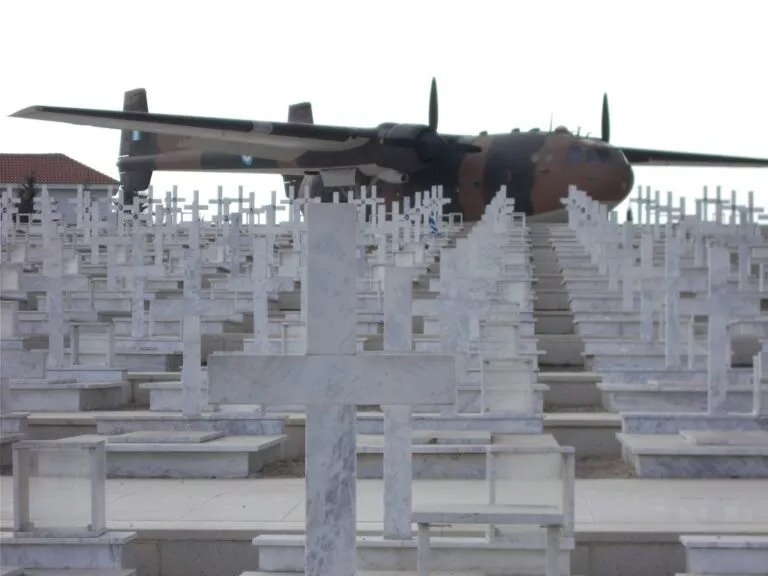
Cyprus will grant citizenship to the children of Greek soldiers who perished during the 1974 Turkish invasion, marking a significant recognition of their sacrifice. New regulations submitted to parliament aim to honour the legacy of those who defended the Republic of Cyprus.
Legislative Changes for Honorary Citizenship
The proposed regulations, titled “Honorary Naturalisation for Reasons of Public Interest and Naturalisation of Foreign Businesspersons or Investors (Amendment) Regulations of 2025,” were approved by the Council of Ministers and are expected to be passed by parliament. This change reflects a shift in focus towards honouring those who have made exceptional contributions to Cyprus.
Scope of the New Regulations
In addition to granting citizenship to the children of Greek soldiers, the new amendments will also extend honorary citizenship to artists and cultural figures who have significantly contributed to the cultural landscape of Cyprus. These changes aim to acknowledge the efforts of those who have supported Cyprus, especially in the aftermath of the invasion.
Significant Historical Context
The 1974 Turkish invasion of Cyprus resulted in the deaths of many Greek officers and enlisted personnel, with reports indicating that 18 officers and 70 soldiers lost their lives during this conflict. Moreover, 83 Greek soldiers are still classified as missing in action, underscoring the ongoing impact of this historical event on families and communities.
Impact on Beneficiaries
As the years have passed since the invasion, many of the children of these fallen soldiers are now adults, with some having been just one year old at the time of the events. The new regulations are particularly aimed at benefiting the children of those officers and non-commissioned officers who were married and had families during the conflict.
Amendments to Existing Laws
The proposed amendments will modify Articles 2 and 3 of the existing regulations, thereby allowing for the inclusion of these new categories of honorary citizenship. This move is designed to streamline the process and clarify the responsibilities of various governmental bodies in making recommendations for honorary naturalisation.
Transition of Responsibilities
Under the new framework, the authority to recommend honorary citizenship for artists and cultural figures will shift from the Ministry of Education, Sports and Youth to the Deputy Ministry of Culture. This transition is seen as a more appropriate measure, given the cultural contributions of many Greek artists who performed pro bono in Cyprus during and after the invasion, acting as unofficial ambassadors for the island.
Cultural Contributions Recognised
Many Greek artists engaged in various cultural events in Cyprus, often without compensation. This reflects a strong commitment to supporting Cyprus during a tumultuous period in its history. The Deputy Ministry of Culture is tasked with promoting the cultural identity of Cyprus and ensuring that contributions through art and culture are acknowledged appropriately.
Legal Review and Approval Process
The proposed changes have undergone a legal review by the Law Office and were sanctioned by the Council of Ministers during their meeting on 20 May 2025. This thorough review process ensures that the amendments align with existing laws and the principles of naturalisation in Cyprus.
Moving Towards Implementation
With parliamentary approval anticipated, the new regulations for honorary citizenship are poised to significantly impact the lives of many individuals whose parents bravely defended Cyprus. As the country seeks to honour its history and those who fought for its freedom, the move is widely viewed as a step towards healing and recognition.
Future Implications
The introduction of these regulations not only serves to honour the fallen soldiers but also sets a precedent for how Cyprus acknowledges contributions from both local and international figures. It reflects a broader commitment to recognising sacrifices made in the name of national security and cultural heritage.
As Cyprus moves forward, the implementation of these measures will likely enhance the sense of community and shared history among Cypriots and Greeks alike, fostering a deeper connection to the past while looking toward the future.