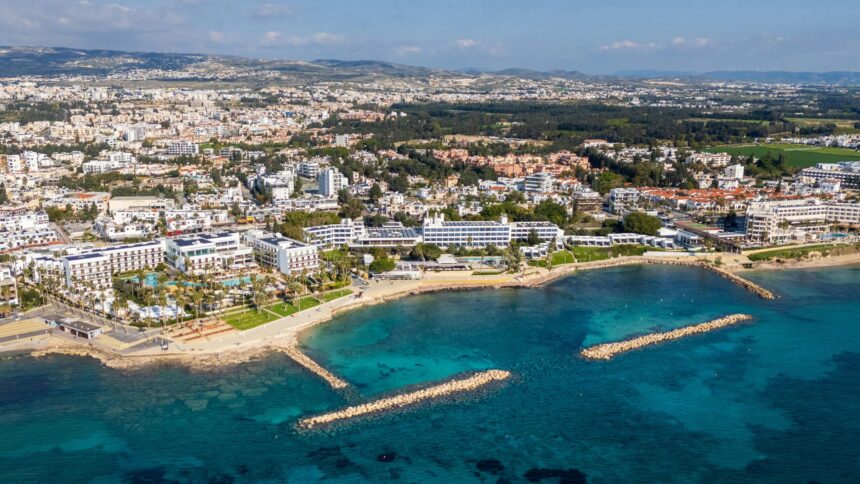
paphos projects — paphos projects — Paphos is poised to play a pivotal role in Cyprus’ tourism strategy as local authorities and Deputy Tourism Minister Kostas Koumis outline ambitious plans for 2025, anticipated to be the best year in the island’s tourism history.
During a recent meeting, Koumis emphasised the importance of maintaining high standards and delivering exceptional experiences to visitors. He recognised that the success of tourism in Cyprus hinges on the seamless operation of individual destinations, particularly highlighting Paphos’ impressive performance, which saw visitor arrivals surpassing 30%.
Paphos projects: Quality Over Quantity in Tourism Strategy
Koumis expressed that the primary goal for the upcoming year is to safeguard the achievements made in the tourism sector, while inviting input from stakeholders to address lingering challenges. He reiterated that a collaborative effort across the tourism ecosystem is essential for providing quality services. “What is important is that the individual destinations of our country continue to operate smoothly and offer quality services,” Koumis said.
Addressing Challenges Beyond Tourism
As he outlined the Ministry’s vision, Koumis acknowledged that challenges extend beyond tourism, with climate change emerging as a critical issue that requires coordinated responses. He reassured stakeholders that no significant shortcomings had been identified in local authority performance, stressing that upholding high standards remains a top priority.
The Anticipated Paphos Marina
Specific mention was made of the long-anticipated Paphos marina project, with Koumis confirming that the timeline for construction is on track. Contracts are expected to be signed in early 2027, and the Deputy Minister noted that the level of investor interest has been particularly encouraging. This development is seen as a vital component of enhancing Paphos’ appeal as a tourist destination.
Mayor’s Vision for Sustainable Tourism
Paphos Mayor Phedonas Phedonos shared an optimistic outlook for 2025, describing it as a “satisfying year” for tourism in the region. He stressed the importance of shifting the focus from sheer visitor numbers to attracting higher-spending tourists. “Quality is the secret of our further success and not so much quantities,” he stated, highlighting the need for strategic planning post-2026 to ensure sustainability.
Phedonos also voiced concerns regarding the infrastructure’s capacity to handle tourist volumes, particularly referencing the overcrowded conditions at Paphos airport. He called for urgent attention to ensure that visitors do not face long queues under extreme temperatures, a scenario he deemed unacceptable.
Looking Ahead to Project Implementation
As discussions continued, Phedonos urged the Deputy Ministry to closely monitor three key projects set to commence in 2026: the marina, the road linking the tourist area to the airport, and the expansion of the airport itself. He stressed that it is crucial for 2026 to mark a shift from planning to actual implementation, avoiding the delays that have plagued previous projects.
Both Koumis and Phedonos agree that the future of tourism in Cyprus hinges on a collaborative approach, ensuring that quality experiences remain at the forefront of the sector’s development. With Paphos as a focal point, the island is gearing up for a transformative year ahead.