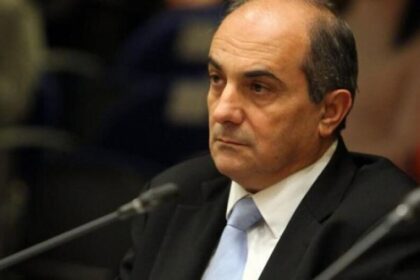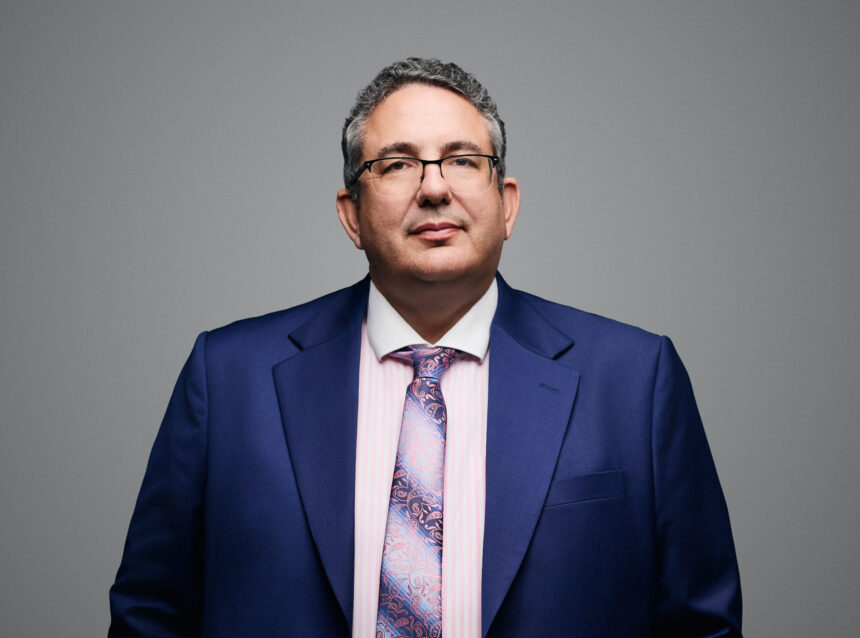
demetris skourides — Demetris Skourides, Cyprus’ Chief Scientist for Research, Innovation and Technology, represented the country at two important European science forums in Austria and Germany last week, focusing on the role of scientific advice in shaping EU decisions.
Demetris skourides: Engaging in European Science Discussions
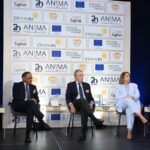
Skourides first attended the European Science Advisors Forum (ESAF) Intermediate Meeting, which took place in Vienna on June 10, 2026. This meeting was hosted by the Austrian Academy of Sciences, in recognition of Austria’s current chairmanship of the forum. The ESAF serves as a platform for EU-level discussions aimed at promoting the integration of scientific evidence into policymaking.
Future of Scientific Advice in Europe
The ESAF meeting gathered delegates from various EU member states, where they discussed critical issues surrounding the future of scientific advice in Europe. Topics included the European Code of Principles for Scientific Advice for Policy and Society and the necessity of anticipatory scientific advice addressing security and resilience across the continent.
Contributions to Policy and Governance
As a representative of Cyprus at ESAF, Skourides not only participates in discussions but also holds a position on the Executive Committee and serves as the Deputy Chair. His involvement underscores Cyprus’ commitment to contributing to the EU’s scientific dialogue.
Travelling to Germany for JRC Meeting
Following the ESAF meeting, Skourides travelled to Germany to attend the 139th Meeting of the Board of Governors of the Joint Research Centre (JRC) of the European Commission, held on June 11 and 12 at the JRC’s facilities in Karlsruhe. The JRC acts as the EU’s scientific and technical service, providing independent scientific advice to support EU policy across a spectrum of areas.
Overview of Research and Innovation Achievements
During the JRC meeting, Skourides presented an overview of Cyprus’ achievements in research and innovation, particularly highlighting initiatives undertaken during Cyprus’ presidency of the Council of the European Union. This presentation was an opportunity to showcase the advancements made by Cyprus in various fields, reinforcing its position within the EU scientific community.
Significant Topics on the Agenda
The agenda at the JRC meeting covered several significant areas, including the Multiannual Financial Framework for 2028–2034, discussions surrounding nuclear safety and security, and the JRC’s collaboration with FRONTEX, the European Border and Coast Guard Agency. These discussions are essential as they pave the way for future policy decisions that rely heavily on scientific evidence.
Importance of Scientific Evidence in Policymaking
Taken together, the gatherings in Vienna and Karlsruhe provided a vital platform for Cyprus to engage in European discussions on enhancing the utilisation of scientific evidence in policymaking. The emphasis on evidence-based decision-making has never been more critical, especially as Europe navigates complex challenges ranging from climate change to public health.
Building a Resilient Future through Science
As Skourides pointed out during his engagements, the ongoing collaboration among European scientists and policymakers is essential for building a resilient future. The role of scientific advice is increasingly recognised as pivotal in addressing the multifaceted issues facing the EU, ensuring that policy decisions are informed by robust scientific inquiry.
Acknowledging the Role of Science in Society
The discussions led by Skourides and his counterparts illustrate the growing acknowledgment of science’s role in society. Through forums like ESAF and meetings with the JRC, European nations can share best practices, fostering a culture where scientific advice is valued in political and non-political decision-making processes.
Looking Ahead: Future Meetings and Initiatives
The next Annual General Assembly of ESAF is set to take place in Brussels in early December, where further discussions will continue on how to strengthen the influence of scientific advice in shaping European policies. As the EU prepares for these upcoming meetings, the contributions made by representatives like Skourides will be crucial in steering the conversation towards effective and evidence-based governance.