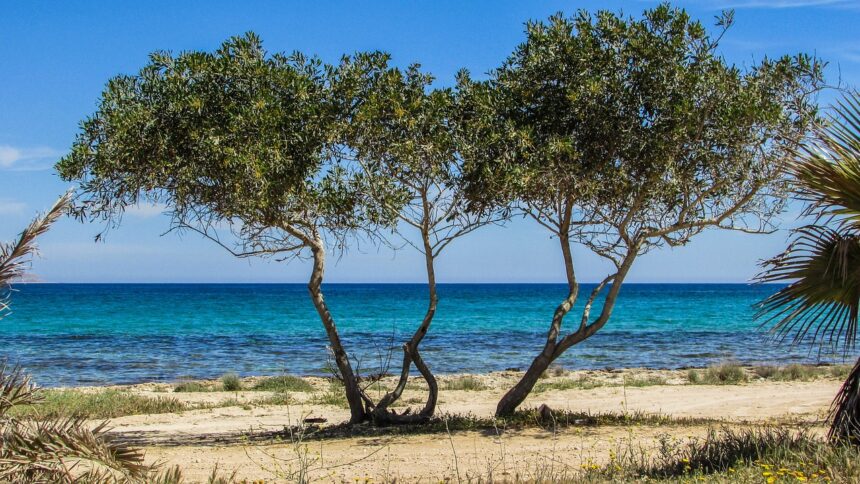
Cyprus has proudly secured an exceptional achievement in 2025, with all 123 monitored bathing sites across the island rated as ‘excellent’ for water quality. This accolade places Cyprus among the top performers in the EU, alongside Austria, Bulgaria, and Greece, where over 95 per cent of bathing waters met the highest standards.
Bathing waters: Impressive Results from EU Report
The EU’s annual bathing water report, released on Tuesday, revealed that Cyprus achieved a perfect score, with 100 per cent of its designated bathing areas receiving the top rating. This accomplishment is a significant milestone for the island, which has been consistently striving to maintain and improve water quality.
Bathing Water Quality in Context
Across Europe, approximately 85 per cent of monitored bathing waters were classified as excellent, while 96 per cent met at least the EU’s minimum quality standards. Only 1.5 per cent of sites were rated as poor, indicating a stable situation compared to 2024. The report’s assessment was based on data from over 22,200 bathing sites across EU member states, Albania, and Switzerland.
Monitoring and Analysis Efforts
In Cyprus, 1,198 water samples were collected and analysed from the island’s 123 bathing areas during the 2025 season. The evaluation focused on the suitability of these waters for bathing, particularly assessing levels of bacteria that could lead to serious illnesses.
Coastal vs. Inland Waters
Data from the report indicated that coastal waters continue to outperform inland waters, with 88 per cent of coastal bathing waters receiving an excellent rating compared to 78 per cent of inland waters, such as rivers and lakes.
Improvements and Future Challenges
The European Commission attributed the long-term improvements in water quality to the successful implementation of EU water legislation and better management practices. Key initiatives included investments in urban wastewater treatment facilities and enhanced sewage collection systems. These efforts have allowed regions with previously polluted waters to restore safe bathing conditions.
Despite these successes, the Commission highlighted ongoing challenges such as chemical pollution and the effects of climate change on water resources. Protecting and improving water quality remains a vital aspect of the EU’s water resilience strategy, aiming to ensure healthy aquatic ecosystems for all citizens.