Few developments in the Republic of Cyprus have ignited such fierce discourse as the recent arrests linked to Greek Cypriot-owned property in the north. The tensions stemming from these events highlight the longstanding complexities of the Cyprus problem.
The Impact of Arrests on the Cyprus Conflict
Earlier this year, the Republic of Cyprus made headlines by arresting several European Union and third country nationals, believed to be involved in the development of privately owned Greek Cypriot land in the north. Turkish Cypriot leader Ersin Tatar reacted vehemently, labelling these arrests “terrorism” on multiple occasions, showcasing just how sensitive this issue has become.
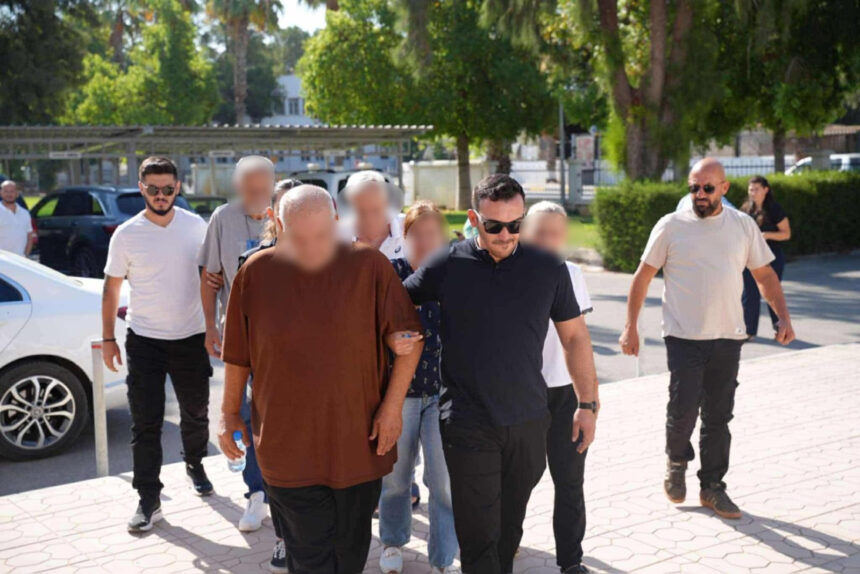
Fast forward to the present, and the situation has taken a dramatic turn. Five Greek Cypriots are now being detained in a northern prison, arrested on suspicion of gathering information related to properties in the area. President Nikos Christodoulides has vehemently denounced these arrests, characterising them as an “illegal, pirate, and fascist decision by the occupation regime.” His statements reveal the degree of animosity that the latest arrests have evoked.
A Cycle of Retaliation
This tit-for-tat scenario was further supported by former Turkish Cypriot leader Mustafa Akinci, who suggested those arrests exemplified an “eye for an eye” mentality, indicating that both sides feel justified in their actions. He pointed out that the current situation reflects a deeper issue, where both communities react to provocations in a cycle that threatens to destabilise relations further.
Both governments maintain their arrests are not politically motivated but rather just a function of their respective judicial systems. Government spokesman Konstantinos Letymbiotis confidently stated that the “Republic of Cyprus is acting within the framework of the rule of law.” Meanwhile, the northern administration’s Prime Minister, Unal Ustel, argued that their judiciary operates at a high standard and upholds law through its relevant actions.
Background of the Arrests
The complex narrative began in early 2022 with the high-profile arrest of Turkish Cypriot lawyer Akan Kursat, initially thought to be a clerical error. His subsequent extradition to Cyprus and the charging of numerous counts related to illegal property developments opened a Pandora’s box. Although the case was suspended indefinitely due to the death of a key witness, it set off a series of follow-up arrests in the Republic.
Among the more notorious cases was that of Israeli property developer Simon Aykut, who spent over 400 days in custody after being accused of developing and selling €43 million worth of Greek Cypriot land in the north. Additionally, a German woman was detained for allegedly admitting to selling Greek Cypriot-owned property after a conversation during a flight. Legal entanglements persist in her case, with allegations that police mishandled her arrest.
In a parallel development, two Hungarian women were sentenced in May for promoting the sale of houses in the north on social media. These rulings against individuals involved in property deals highlight the delicate balance both sides are trying to maintain in this complex scenario.
Tensions Intensify with Countermeasures
Not surprisingly, these actions prompted a response from the Turkish Cypriot authorities. Following the sentencing of the Hungarian women, the north relaxed regulations concerning property purchases by non-Turkish Cypriots. This move indicates a strategic approach to attract potential buyers, which may create further tensions regarding property ownership rights across the Green Line.
As discourse intensified, comments by the north’s transport minister, Erhan Arikli, suggested the potential for tougher measures against Greeks using Turkish Cypriot properties in the south, further complicating the already tense dynamic. On July 19, multiple Greek Cypriots were arrested in Galatia, marking a sharp retaliatory move.
The ongoing custody of these five individuals highlights the precariousness of property rights in Cyprus. They have faced a myriad of charges, including privacy violations and trespassing, with implications that their activities may have been aimed at gathering court evidence against individuals accused of property developments in the north.
Conclusion: The Way Forward
Ersin Tatar’s remarks have drawn attention to the notion that the Greek Cypriot leadership has been “illegally collecting information” to advance what he regards as hostile policies. This pervasive vigilance only serves to deepen the divide. The mounting tensions derived from the arrests will inevitably have significant repercussions for both communities, challenging any approaches towards reconciliation and peace.
As the situation unfolds, it remains clear that property rights in Cyprus continue to serve as a flashpoint in the ongoing dialogue surrounding the island’s complex political landscape. The need for an enduring resolution to these issues is apparent, as both communities strive for stability amidst escalating tensions.