
Cyprus stands at a critical crossroads for property investors, blending Mediterranean allure with a fast-evolving economic landscape. As the island adapts to shifting global trends and local policy reforms, fresh opportunities are unfolding for those seeking strategic footholds in its real estate sector. Navigating these new dynamics isn’t just about capitalizing on growth-it’s about understanding the nuanced forces reshaping everything from coastal developments to city ventures. With the market simmering with potential, now is the time to explore where smart investment could lead.
Cyprus Real Estate Overview: Market Dynamics and Emerging Trends
In 2025, the Cyprus real estate market continues its dynamic trajectory, shaped by both local economic resilience and evolving investor sentiment. The island has seen sustained interest from international buyers, particularly in the cities of Limassol, Nicosia, and Larnaca. These urban centers remain attractive due to their mix of lifestyle amenities, infrastructure improvements, and proximity to business districts. On the supply side, developers are increasingly shifting focus toward high-energy efficiency buildings and mixed-use projects, aligning with European sustainability directives and buyers’ growing environmental consciousness.
Prices in key segments have stabilized after several years of robust growth, with moderate annual increases recorded in prime residential and commercial zones. Transactions from non-EU buyers remain a pillar of demand, but the market has also matured, with more local families and young professionals entering, encouraged by accessible mortgage rates and government-backed housing incentives. Investors eyeing Cyprus should monitor the ripple effects of regulatory changes, particularly regarding property tax reforms and urban planning updates, as these can subtly reshape the market landscape.
Understanding these dynamics is crucial for strategic investment decisions. The interplay between new development trends, government policy, and ongoing international interest ensures Cyprus remains a compelling market-one that rewards those who stay informed and adaptable. Next, let’s examine the standout neighborhoods and property types that are currently offering the strongest returns and future growth potential.

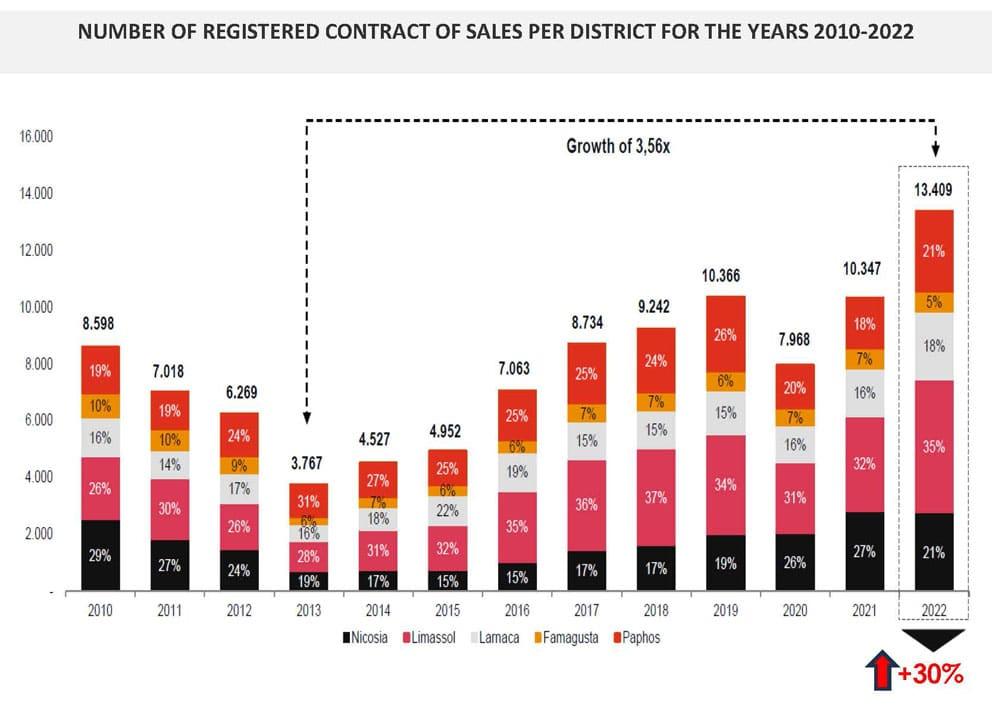
Cyprus has long held its status as a Mediterranean real estate hotspot, blending steady economic performance with lifestyle appeal. Over the past twelve months, the Cypriot property market has seen a measurable uptick in both domestic and international demand. According to the latest figures from the Department of Lands and Surveys, property sales in the first quarter of 2024 were up 8% year-on-year, with Paphos and Limassol leading transaction volumes. Meanwhile, residential yields in key urban centers remain robust, buoyed by a shortage of new supply and a continuing influx of foreign investors seeking stability amid broader geopolitical uncertainty
Cyprus’s enduring appeal as a Mediterranean real estate destination is rooted in its balanced mix of strong economic fundamentals and enviable coastal lifestyle. Throughout the last year, the property market has recorded a clear surge in interest from both local buyers and international investors. Recent data from the Department of Lands and Surveys indicates that property sales in the first quarter of 2024 climbed by 8% compared to the same period in the previous year. Notably, Paphos and Limassol continue to dominate transaction activity, reflecting their popularity for both primary residences and holiday homes.
Investor confidence remains buoyant, particularly in the residential sector. Yields in major urban centers such as Nicosia and Limassol are holding firm, thanks in large part to a persistent shortage of new-build properties. This supply-demand imbalance, combined with Cyprus’s ongoing reputation for stability in a volatile global climate, keeps the market attractive for those seeking resilient returns. For investors, the strategy is clear: focus on quality assets in high-demand locations, as both rental and capital appreciation prospects remain solid moving into 2025.
As the landscape evolves, understanding the nuances of each city’s micro-market is crucial for buyers. Next, we’ll explore how shifting infrastructure investments and demographic trends are shaping opportunities across the island’s prime regions.
Regional Spotlight: Where the Opportunities Lie
Cyprus continues to shine as a property investment destination, but savvy investors recognize that opportunities vary across regions-and tailoring your strategy is vital in 2025. Limassol remains a powerhouse for high-end residential and commercial investments, buoyed by its robust financial sector and ongoing demand from international buyers. Recent data shows sustained price growth in Limassol’s coastal areas, particularly in Germasogeia and Agios Tychonas, where new developments attract both rental and resale interest. However, competitive yields are increasingly found in secondary districts and mixed-use projects emerging just inland, which offer better entry points and growing rental demand due to local business expansions.
Nicosia, the capital, contrasts with the coastline by offering strong fundamentals in both the residential and office sectors, particularly around the university and diplomatic quarters. Infrastructure improvements and government incentives aimed at young professionals have increased interest in mid-range apartment blocks and co-living spaces-appealing especially to a growing expat workforce. Meanwhile, in Larnaca and Paphos, renewed focus on tourism infrastructure and the impact of ongoing flight and hotel investments have begun driving new opportunities in short-term rental properties and lifestyle-oriented developments.
While each region has its unique advantages, carefully assessing local supply-demand dynamics, upcoming zoning changes, and infrastructure projects will be key for maximizing returns in 2025. Looking ahead, let’s explore how investors can strategically position themselves amidst evolving market dynamics in Cyprus.
Discerning investors increasingly scout beyond the well-trodden coastal corridors. Limassol continues to command the lion’s share of interest, particularly for luxury apartments and seafront developments-though climbing prices are prompting a shift toward more affordable, up-and-coming regions. Larnaca, for instance, has seen a notable surge in both demand and project announcements since the airport upgrade and marina redevelopment plans were greenlit. Nicosia, often overlooked by international buyers, presents strong returns on city-center residential and office space, benefiting from robust rental demand and ongoing urban regeneration schemes
Discerning investors are beginning to look beyond Cyprus’s renowned coastal markets, eyeing alternative locations that offer a compelling mix of value and growth potential. While Limassol still dominates headlines with its luxury apartments and sought-after seafront developments, escalating property prices are encouraging both local and international buyers to explore emerging hotspots. Larnaca, in particular, has gained momentum following recent infrastructure upgrades, including the expansion of Larnaca International Airport and advanced plans for the multi-million-euro marina redevelopment. These improvements are already translating into increased demand, steady price appreciation, and a wave of new project launches, positioning Larnaca as one of the island’s most dynamic growth corridors for 2025.
Meanwhile, Nicosia remains a comparatively underexplored market among overseas buyers but stands out for its robust rental yields and sustained demand in both the residential and office sectors. This resilience is supported by an expanding urban regeneration programme, which is revitalizing the city centre and enhancing the appeal of numerous neighbourhoods through improved amenities and transport links. Investors focused on long-term income may find Nicosia’s stable rental market particularly attractive, as increasing employment and student populations drive occupancy rates higher. With Cyprus’s evolving property landscape, considering these alternative regions can deliver both diversification and strong potential returns, especially for those seeking to move beyond the classic beachfront investment model.
As the real estate scene continues to evolve, it’s crucial for investors to assess how ongoing market trends, legislative updates, and infrastructure projects will shape opportunities in the months ahead.
Investment Strategies: Maximizing Value in a Changing Market
In 2025, Cyprus’s property market remains dynamic, with both local and international investors actively seeking ways to maximize returns amid evolving economic conditions. Experienced investors are focusing on a combination of long-term rental yields and capital appreciation, particularly in emerging micro-markets beyond traditional hotspots like Limassol and Paphos. As infrastructure improves and government incentives continue to support the sector, areas such as Larnaca and the suburbs of Nicosia now offer compelling entry points for those who conduct thorough due diligence and understand local demand trends.
Diversification stands out as a key strategy, with portfolios expanding to include residential, commercial, and hospitality assets. Adapting to recent regulatory updates-such as stricter due diligence on foreign investment and changes in short-term rental laws-is crucial for sustainable growth. Investors are advised to work closely with legal and real estate professionals based in Cyprus, ensuring that properties comply with the latest building standards, especially as the push for greener, energy-efficient developments gains momentum. These forward-looking strategies not only help to mitigate risk but also position investors to capture value as new growth corridors emerge.
Understanding how shifting market fundamentals intersect with environmental and regulatory change is essential. In the next section, we’ll explore how local market insights fuel smarter decisions when navigating Cyprus’s evolving property landscape.
For investors navigating today’s Cyprus real estate landscape, diversification is key. Market analysts recommend a blend of traditional buy-to-let options and targeted short-term holiday lets, particularly in tourist hubs like Protaras and Ayia Napa, where seasonal occupancy rates remain among the highest in Europe. Off-plan purchases-while offering attractive initial pricing-demand careful due diligence, given construction backlogs affecting some sectors. Specialist property funds and REITs focusing on Cyprus commercial assets are also gaining traction, providing indirect exposure without the operational demands of direct management
For investors navigating Cyprus’s real estate market in 2025, diversification remains a core strategy. Experts suggest pairing classic buy-to-let investments with selective short-term holiday lets-especially in high-demand coastal destinations like Protaras and Ayia Napa. These areas consistently report some of Europe’s strongest seasonal occupancy rates, making them particularly attractive for maximizing rental yields during the tourist season. However, with tourism numbers projected to stabilize this year after several record-breaking summers, it’s essential to balance short-term optimism with realistic, long-term planning.
Off-plan properties continue to attract buyers with their competitive initial pricing, yet recent construction delays in certain developments have underscored the need for thorough due diligence. Investors are encouraged to scrutinize developer track records and project timelines before committing capital. Additionally, there’s a growing interest in Cyprus-focused property funds and real estate investment trusts (REITs). These vehicles can offer exposure to robust sectors-particularly commercial real estate-without requiring hands-on management, providing a lower-barrier entry point and enhanced portfolio resilience.
As the regulatory landscape evolves and market conditions shift, staying informed and agile is crucial. In the next section, we’ll examine the legal considerations and emerging risk factors reshaping property ownership and management in Cyprus this year.
Insights from Industry Experts
Industry leaders in Cyprus emphasize that the nation’s property market is uniquely poised for continued resilience in 2025, despite evolving global conditions. Experts highlight that investor appetite remains strong, especially in prime coastal cities such as Limassol and Larnaca, where demand for high-quality residential and mixed-use developments outpaces supply. According to leading real estate analysts, the shift in European investment flows-fueled by geopolitical uncertainties and tighter monetary policies-has led investors to view Cyprus as a stable, opportunity-rich haven. The country’s strategic location, attractive tax benefits, and a streamlined title deed process are repeatedly recognized as major draws.
Professionals stress the importance of a well-informed approach: due diligence is becoming more critical as the market matures and project diversity widens. Specialist advisors recommend that investors thoroughly assess local planning laws, rental yield prospects, and the credibility of developers before committing capital. Another key point is the growing relevance of sustainable and energy-efficient projects. As environmental standards tighten across Europe, assets with green certifications are commanding premium prices-experts suggest that incorporating sustainability considerations into property selection can boost both short- and long-term returns.
Navigating the Cypriot market in 2025 calls for agility and strategic foresight. From leveraging local consultancy to understanding shifting regulatory landscapes, investors are encouraged to blend caution with creativity. This sets the stage for exploring the most attractive segments and geographic hotspots currently shaping the Cyprus real estate market.
Leading agents and property consultants note a clear pivot toward sustainable developments, with green-certified projects attracting a premium from eco-conscious buyers, especially from Western Europe. “There is growing appetite for energy-efficient homes, driven both by EU directives and by rising utility costs,” says Andreas Christoforou, Head of Research at a prominent local realty firm. He adds that investors seeking to future-proof their assets should consider properties offering smart home technologies and access to public infrastructure upgrades already underway in key districts
.
Practical insights reveal that demand for sustainably built residences and mixed-use projects has pushed developers to integrate advanced insulation, solar energy systems, and water-saving features as standard offerings. These initiatives not only address current legislative requirements but also enhance long-term asset value and rental yield potential. Buyers and investors positioning themselves early in this sector may benefit from both capital appreciation and reduced operational expenses, as market sentiment increasingly favors properties that align with green building standards.
With these trends shaping buyer decisions, the focus naturally shifts to which districts and asset types offer the most resilience and upside for the years ahead.
Forecast: What Lies Ahead for Cyprus Property Investors
Looking into the remainder of 2024 and early 2025, Cyprus’ real estate landscape appears poised for steady, albeit selective, growth. Market trends indicate that the demand for residential properties-particularly in coastal cities like Limassol and Paphos-remains resilient, underpinned by ongoing interest from both local and international buyers. Factors such as the relatively low property taxes and investor-friendly regulations are expected to continue supporting this momentum, while government initiatives to digitalize property transactions should further streamline the buying process.
However, the landscape is not without its challenges. The European Central Bank’s stance on interest rates has an indirect impact on mortgage costs in Cyprus, making flexible financing solutions and careful due diligence increasingly essential for investors. It’s advisable to focus on high-demand segments, such as energy-efficient new builds and properties eligible for short-term rental permits, as these are likely to deliver stronger returns and resilience against market fluctuations. Prudent investors should also monitor infrastructure developments and regulatory updates-particularly any adjustments to residency and visa policies, as these can swiftly influence buyer eligibility and demand.
With a strategic, research-driven approach, investors can capitalize on the evolving market dynamics. Next, we’ll explore the most promising locations and property types that are currently capturing attention and offer the highest potential for value appreciation in Cyprus.
Looking forward, the prognosis for Cyprus real estate is cautiously optimistic. The combination of resilient tourism, tight new supply, and continued foreign investment bodes well for capital appreciation through the remainder of 2024 and beyond. Potential headwinds include global interest rate trends and evolving taxation policies, but local fundamentals remain sound. Industry observers anticipate moderate price growth-between 3-5% annually in prime locations-and steady rental yields. Seasoned investors are advised to keep a close watch on development pipelines, regulatory updates, and shifting buyer demographics to capitalize on emerging cycles within the market
Looking ahead, Cyprus’s property market stands on firm ground, underpinned by a robust tourism sector and a chronic undersupply of new-build homes. The pull of the island as a lifestyle and investment destination continues to attract a steady stream of buyers, particularly from EU and Middle Eastern countries. As remote work practices become more entrenched, coastal and urban areas such as Limassol and Larnaca are experiencing persistent demand, often outpacing the delivery of new projects. This ongoing imbalance is supporting capital values and safeguarding rental yields despite an uncertain global landscape.
However, investors should be mindful of evolving dynamics. While inflationary pressures have shown signs of stabilizing, any unexpected shift in European Central Bank interest rates could impact funding costs and mortgage affordability. Taxation policy is also worth monitoring, given ongoing discussions in Nicosia about property-related levies and incentives for energy-efficient upgrades. With authorities keen to maintain Cyprus’s international appeal, regulatory changes are expected to be gradual rather than abrupt-but a proactive approach is crucial. Those eyeing prime real estate should prioritize thorough due diligence and partner with local experts to identify pockets of value and mitigate risk.
In this environment, timing is key. Investors willing to look beyond headline price trends and analyze supply pipelines, tenant demand shifts, and neighborhood regeneration initiatives will be best placed to spot opportunities before they become mainstream. The coming year presents a window for careful, strategic acquisitions, provided buyers focus on fundamentals and prepare for potential policy changes on the horizon.
Cyprus Real Estate Outlook
Cyprus continues to offer compelling prospects for property investors, driven by a resilient market, attractive tax policies, and ongoing infrastructure development. Strategic investment in prime locations-coupled with awareness of regulatory shifts and evolving demand-positions investors to capitalize on both near-term gains and long-term growth. As the market matures, sustained due diligence and adaptability will be key to seizing future opportunities in Cyprus real estate.