nursing crisis — nursing crisis — Nursing unions, led by Pasyno, are applying increasing pressure on the health ministry in Cyprus, as the country approaches 2026. They warn that persistent staffing and planning issues are pushing the healthcare system towards a breaking point.
- In a statement released on Wednesday, Pasyno labelled 2026 as “a year of demands and unity,” emphasising that long-standing challenges in the nursing sector necessitate urgent collective action.
- “Our voice is united, our determination is irresistible,” the union declared, calling for collective action to reshape the health sector.
In a statement released on Wednesday, Pasyno labelled 2026 as “a year of demands and unity,” emphasising that long-standing challenges in the nursing sector necessitate urgent collective action.
Among the critical issues raised by the union are the declining quality of care, staff exhaustion, and significant disparities between public and private hospitals. Pasyno noted that low salaries, excessive workloads, and poor working conditions are leading to a continuous movement of staff between these facilities.
Despite these mounting pressures, Pasyno asserts that morale within the nursing profession remains strong. The union has outlined its key priorities for 2026, which include protecting the rights of nurses, midwives, and health visitors, ensuring proper recruitment through effective staff allocation, and gaining meaningful recognition for health professionals.
“Our voice is united, our determination is irresistible,” the union declared, calling for collective action to reshape the health sector.
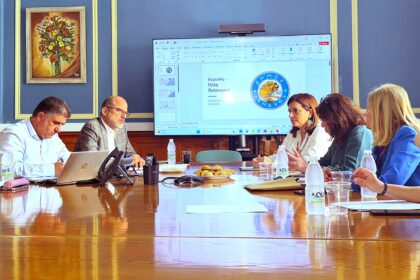
This call to action comes as Health Minister Neophytos Charalambides has set a one-week deadline for stakeholders to submit proposals aimed at addressing the shortage of nurses. A follow-up meeting is scheduled for next month to review recommendations and agree on immediate measures.
During a recent visit to Limassol General Hospital, Charalambides acknowledged that existing incentives to retain nursing staff have proven inadequate. He expressed his commitment to implement practical improvements for both patients and healthcare workers within the first quarter of the year.
However, unions have contested claims that staffing shortages alone are behind recent service disruptions, including the potential suspension of a private clinic’s operating licence. Pasyno, along with fellow unions Peo and Pasydy, argue that the crisis stems from managerial failures and inadequate planning following the rapid expansion of hospital beds under the Gesy system.
Union representatives highlight that workforce planning has not kept pace with the growth of hospital facilities, resulting in longer waiting lists, postponed procedures, and frequent staff absences due to illness. Official statistics reveal there are currently 157 vacant nursing positions in state hospitals, alongside 153 nurses on sick or maternity leave.
The situation escalated last November when the health ministry issued a notice to a private hospital in Nicosia, citing insufficient nursing coverage in two departments. Inspectors found that a night-shift nurse was absent on a medical ward and that there was a shortfall of six nurses in the surgery department, prompting the ministry to consider suspending the hospital’s operating licence.
In response, employer groups have suggested recruiting nurses from third countries as a temporary solution, a move that unions strongly oppose. Pasyno has voiced concerns that such practices could jeopardise care standards, raising issues about language proficiency, patient safety, and working conditions.
Moreover, Pasyno has warned that the pressure on private clinics to hire foreign staff does not address the underlying causes of recruitment and retention challenges. The union has called for a holistic approach to tackle these pressing issues within the nursing sector.