nicosia traffic — nicosia traffic — Nicosia is at breaking point due to traffic congestion, prompting Deputy Mayor Chrysanthos Fakas to call for a reassessment of the city’s traffic regulations. He expressed the urgency of the situation by stating, “Zero hour has arrived for reassessing all of Nicosia’s traffic regulations.” Fakas highlighted the chronic nature of the traffic issues plaguing the capital, which have worsened in recent days.

Photo: in-cyprus.philenews.com
Amidst rising complaints from residents, Fakas outlined proposals from the Municipal Council aimed at alleviating congestion. The Deputy Mayor lamented that current regulations have not yielded the expected results, remarking, “We went for wool and came back shorn.” The council is focused on enhancing mobility within the city and revitalising key areas like Makarios Avenue and Ledra Street.

Photo: in-cyprus.philenews.com
The aim is to facilitate better connectivity from residential areas to central Nicosia, allowing residents to navigate the city easily on foot or by bicycle. Preparations are already in progress to extend the cycle path through Pallouriotissa and Kaimakli, ultimately reaching the University of Cyprus.
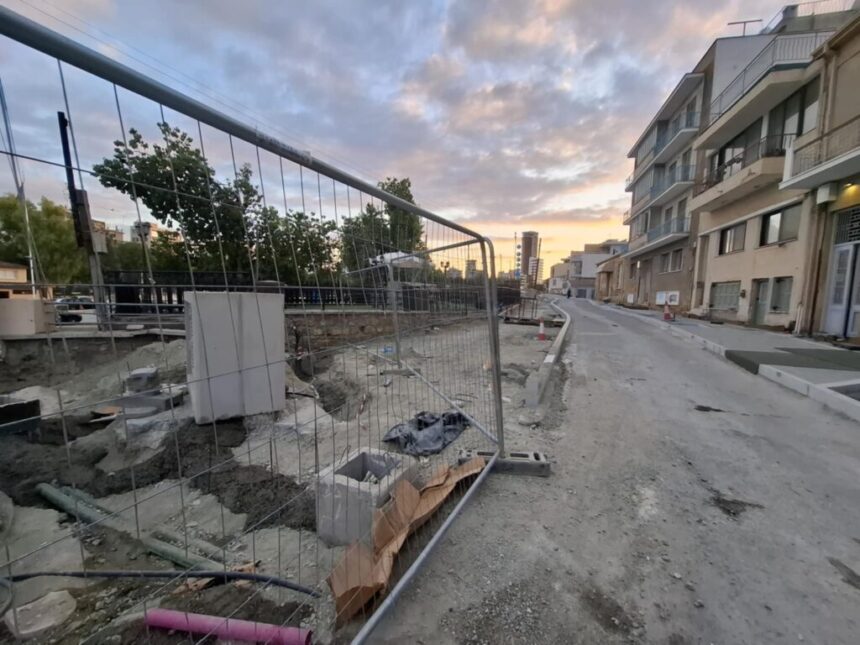
Despite ongoing efforts, traffic problems remain acute, especially on Stasinou Avenue, where the volume of vehicles has reached critical levels. Fakas noted that the congestion has intensified due to the closure of Digeni Akrita and ongoing pavement renovations on Evagorou Avenue. He anticipates that traffic conditions will improve once construction is completed in about 15-20 days.
Fakas pointed out the lack of acknowledgment from responsible authorities regarding the severity of the traffic crisis. He referenced a Municipal Council decision to allow vehicles passage during specific hours on Makarios Avenue, which has been stalled. This situation has redirected traffic through already congested streets like Kritis and Stasinou, exacerbating the problem. “Instead of allowing these regulations, they were rejected,” he said, emphasising the need for coordinated efforts among various authorities to address the traffic situation effectively.
Amid the disruptions, commuters have faced long waits, particularly on Evagorou Avenue, where traffic lights have not been adjusted to accommodate the influx of vehicles. Fakas expressed frustration at the lack of timely communication and alternative traffic solutions during this period of increased congestion.
On the infrastructural front, the ongoing renovation of Konstantinos Palaiologos Street is set to enhance the area significantly. The project, dubbed the “Renovation of Internal Perimetric Arc of Moat – Phase A,” aims to beautify facades, improve road surfaces, and introduce a dedicated bicycle lane for the first time. Spanning 20 months, the project seeks to ensure that traffic flow remains uninterrupted, with an anticipated return to normalcy on Palaiologos Avenue by 2025.
Plans for Larnaca Avenue also include removing the median strip to streamline the road, which will be reduced from four lanes to two or three. This change is part of a broader strategy to improve traffic conditions across Nicosia.
As for Ledra Street, the Municipal Council is preparing to announce a tender for the beautification of the pedestrian areas, which will involve coordinating with local shop owners for a comprehensive renovation.
The introduction of foreign university branches in Nicosia is expected to contribute to increased mobility. With a partnership involving the Archbishopric and the University of Athens, more student residences are being established in the walled city. The new academic year is anticipated to bring further momentum to this initiative as more students move into the area.