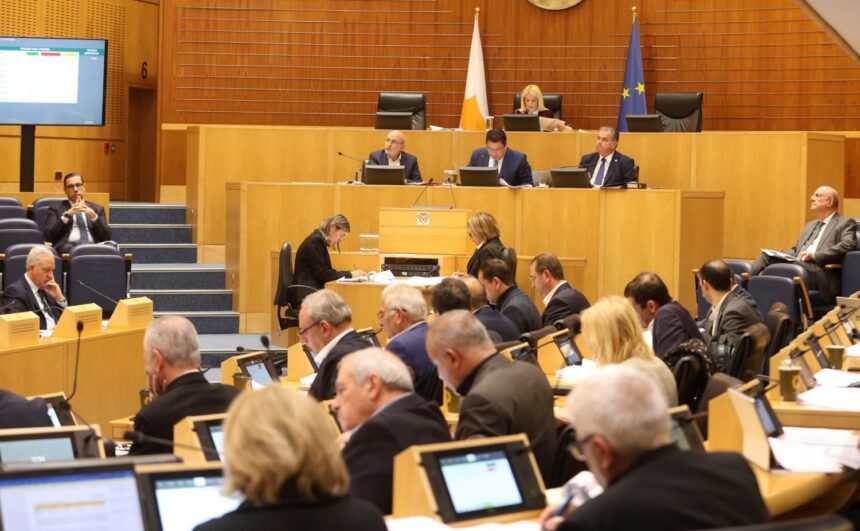
New bills aimed at enhancing rights for guide dog users and easing insurance burdens on elderly drivers are set to be introduced in the House of Representatives. Following the endorsement of the House Human Rights Committee, the proposals will be presented during plenary sessions scheduled for February 5 and February 12.
Legislative Progress for Guide Dog Access
The first legislative proposal, championed by MP Christos Senekis, seeks to guarantee access rights for individuals accompanied by guide or assistance dogs to public buildings and transport systems. This initiative aims to eliminate barriers that prevent guide dog users from fully participating in society.
Committee Chair’s Remarks
Irene Charalambides, chair of the House Human Rights Committee, expressed her strong support for both pieces of legislation. During a recent committee meeting, she remarked, “It was time for a specific framework to be put in place so that there is no abuse at any level and by anyone against them.” Charalambides anticipates unanimous support from her colleagues during the upcoming plenary votes.
Insurance Reforms for Elderly Drivers
The second bill, proposed by MP Alexandra Attalidou, addresses significant challenges faced by elderly drivers regarding third-party motor insurance. The changes aim to prevent discrimination against drivers based on their age, particularly in relation to insurance premiums that can be prohibitively high for older individuals.
A Long Journey for Change
Attalidou highlighted the extensive efforts that led to this proposal, noting that she first submitted it three years ago. She expressed gratitude to the Cyprus Bar Association for its support and emphasised the need for an end to “clear discrimination against drivers solely on the basis of age.” She stated, “These are not opinions; these are figures that were submitted,” reinforcing that age should not be the sole factor in determining insurance coverage or premium rates.
Support from Community Organisations
The proposed legislation has garnered backing from various pensioners’ organisations, including the Cyprus Pensioners’ Organisation (EKYSY). In a statement, EKYSY called for the immediate abolition of practices that violate equal treatment principles. They urged political parties to prioritise the rights of insured pensioners over the interests of insurance companies.
Statistics on Affected Drivers
Approximately 74,000 drivers aged over 70 are affected by the current insurance practices that impose higher premiums based solely on age. The Observatory for the Third Age also weighed in, stating that penalising individuals over 70 with excessive charges or denial of coverage without proper assessment is a blatant violation of human rights.
Key Provisions of the Proposed Insurance Bill
The observatory outlined three essential provisions that they believe must be included in the bill concerning elderly drivers:
- Insurers should be mandated to provide third-party coverage to any citizen holding a valid driving licence, without questioning their driving ability.
- Insurance premiums cannot be increased solely due to age, with any increases needing to be justified in writing based on factors unrelated to age.
- Deterrent penalties should be implemented for insurers who violate these regulations.
They urged MPs to resist pressure from insurance industry lobbies, affirming, “Vote for the amendment. We demand legal safeguards that oblige companies to insure every lawful licence holder, with fair premiums and without abusive terms.”
Looking Ahead
As the dates for the plenary sessions approach, the anticipation surrounding the proposed bills grows. Charalambides expressed hope for a unanimous vote, stating that on February 12, society should witness a parliament that affirms its commitment to the rights of vulnerable groups: “We have not forgotten you, we are not pushing you to the margins, we stand by you and we support the human right to security.”
The discussions surrounding these bills reflect a broader societal commitment to inclusivity and equality, particularly for those who rely on assistance animals and the elderly who require fair treatment in the insurance market. As the legislative process unfolds, the outcome will be closely watched by various stakeholders, including advocacy groups, insurers, and the public.