The Mercosur trade deal promises greater stability for Cyprus and its farmers, as highlighted by Commerce and Trade Minister Michael Damianos. The agreement, signed between the European Union and the South American trade bloc, offers substantial benefits for the Republic of Cyprus, particularly in trade and services amidst rising international uncertainties.

Photo: cyprus-mail.com
Mercosur: Strengthening Supply Chains and Market Access
Minister Damianos noted that the deal enhances security of supply for critical raw materials, with Cyprus relying heavily on imports from Mercosur countries. Almost all soybeans imported by Cyprus originate from Argentina, while Brazil supplies a significant portion of the island’s coffee and fruit juices. The reduction or elimination of tariffs will lead to greater price stability and improved conditions for Cypriot farmers, livestock breeders, and consumers.
New Export Opportunities for Cypriot Products
A key advantage of the Mercosur agreement is the abolition of export tariffs on Cypriot products heading to South America. Currently, products like cheese face tariffs as high as 28 per cent, which will soon be removed, thus potentially opening new markets for local dairy producers. The Minister also pointed out that the easing of trade regulations may benefit Cyprus’ pharmaceutical products industry by creating avenues for exports to Mercosur nations in the medium term.
Strategic Maritime Services Provisions
Of particular importance within the deal are the substantive provisions for maritime services, which are considered vital to Cyprus’ economy. The Minister emphasized that enhancing maritime services is crucial for maintaining the island’s strategic position in international trade.
Diversifying Markets and Trading Partners
The agreement is also viewed as a means to diversify markets and trading partners for the European Union, thereby strengthening the resilience of the Cypriot economy. The government has expressed strong support for the deal, highlighting that it will create new development opportunities for local businesses and producers.
Benefits for Small and Medium-Sized Enterprises
A recent document sent to MPs by the agriculture ministry highlights that Cypriot businesses, particularly small and medium-sized enterprises, will have improved access to Mercosur markets. This will enable them to operate more efficiently and with fewer administrative hurdles. The ministry has indicated that traditional Cypriot products are likely to command premium prices in these new markets due to the favourable trading environment.
Reduction of Tariffs on Agricultural Imports
The trade deal eliminates tariffs on 91 per cent of products exported between the EU and Mercosur, significantly benefiting almost all Cypriot exports. At present, agricultural products from Cyprus face tariffs as high as 55 per cent when exported to Latin America, limiting their access to these lucrative markets. The government expects that the removal of these barriers will enable Cypriot farmers to increase exports substantially.
Import Advantages for Cyprus
Cyprus is also set to gain from more accessible imports from Latin America, as the island is a net importer of feed raw materials like soybeans, which will now be tariff-free. Additionally, products from Cyprus that have been granted protected geographical indication (PGI) status will receive further protection against counterfeiting in the Mercosur market. This will enhance the uniqueness and value of genuine Cypriot products.
Protected Designations and Future Revisions
The agreement currently protects several Cypriot products, such as Yeroskipou loukoumi and Limassol and Paphos wines, from counterfeiting. While halloumi was not included in the initial list due to its pending protected designation of origin (PDO) status, there is an opportunity for immediate revisions after the ratification of the deal.
Concerns from Local Farmers
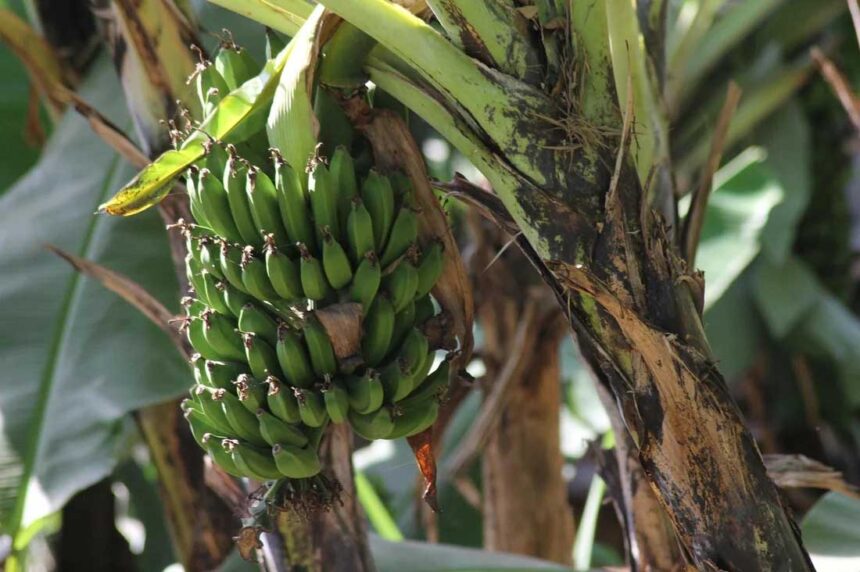
Despite the government’s optimistic outlook, some local stakeholders express concerns about the impact of the deal on specific agricultural sectors. Nikolas Theodosiou, deputy mayor of Kissonerga, voiced worries about the banana producers in the Paphos district. He emphasized the need for protections to ensure that local producers are not adversely affected by competition from cheaper imports.
Political Opposition and Public Sentiment
Political opposition to the trade deal remains strong, with some MPs warning that it could have detrimental effects on Cypriot agriculture. Akel MP Yiannakis Gavriel cautioned that the agreement might pose a risk, particularly for smaller nations like Cyprus that have limited resources. Public demonstrations have also been reported in other EU countries, where protests against the deal have seen thousands take to the streets.
Implementation and Future Outlook
The Mercosur trade agreement, which is poised to create the world’s largest free trade area covering over 700 million people, is expected to be signed soon by European Commission President Ursula von der Leyen. The deal will provisionally be implemented without a vote in the European Parliament, although MEPs are anticipated to review the agreement in early 2024.
While the government is confident that the deal will yield significant benefits for Cyprus, ensuring fair competition and protecting local producers remains a priority in the ongoing discussions surrounding its implementation.