The ongoing debate around waste management failures highlights the pressing issue of who should bear the costs of the state’s shortcomings. The union of municipalities has expressed its profound concerns regarding the implementation of a landfill tax, labelling it a clear indication of inadequate planning.
According to the union, the transition towards a greener future cannot be achieved through disjointed decisions and delays, nor by shifting financial burdens onto municipalities and residents. Their statement echoes a growing frustration with the state’s management of waste infrastructure, which they argue has left local authorities grappling with increased financial obligations.
Waste management: Concerns Over Economic and Environmental Implications
The municipalities articulated their worries surrounding the economic implications of the landfill tax, fearing it could exacerbate existing financial strains. They pointed out that the lack of a coherent state approach not only leads to inefficiencies but also risks jeopardising vital European funding. A total of €23 million is at stake, earmarked for developing recycling systems, source separation, and modern waste management practices.
This funding is crucial, as it serves as a cornerstone for achieving both national and European environmental objectives. The union stressed that without these investments, the country risks remaining tethered to outdated landfilling methods that are detrimental to the environment.
Call for Comprehensive National Planning
The union has urged the government to take responsibility for what they term chronic deficiencies in waste management. They demand the establishment of a comprehensive national plan that facilitates efficient waste management and leverages EU funds effectively. Their message is clear: timely planning, adequate infrastructure, and robust cooperation between governmental levels are essential for any meaningful progress.
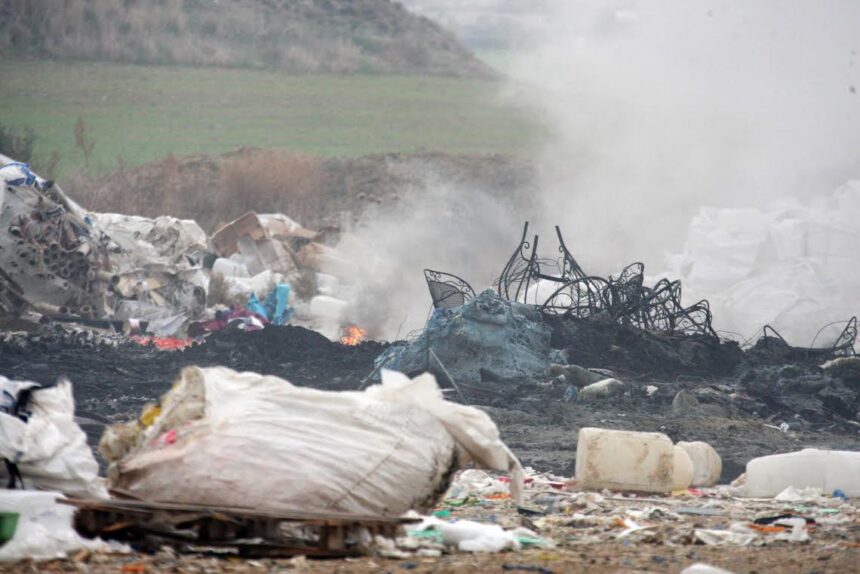
“The unacceptable and environmentally damaging practice of landfilling waste must be halted,” they emphasised, advocating for a coordinated national strategy that aligns with the green transition goals.
Municipalities Stand Firm Against Further Financial Burdens
In a decisive stance, the union reiterated that municipalities and residents should not have to shoulder the financial fallout of state failures. They argue that it is unjust for local authorities to bear the costs of implementing waste management policies when the necessary infrastructure has not been provided by the state.
The municipalities’ frustrations reflect a broader discontent with the government’s approach to waste management and environmental policy. As they rally for change, their demands underscore the need for a unified strategy that ensures sustainability without placing undue financial burdens on local entities.