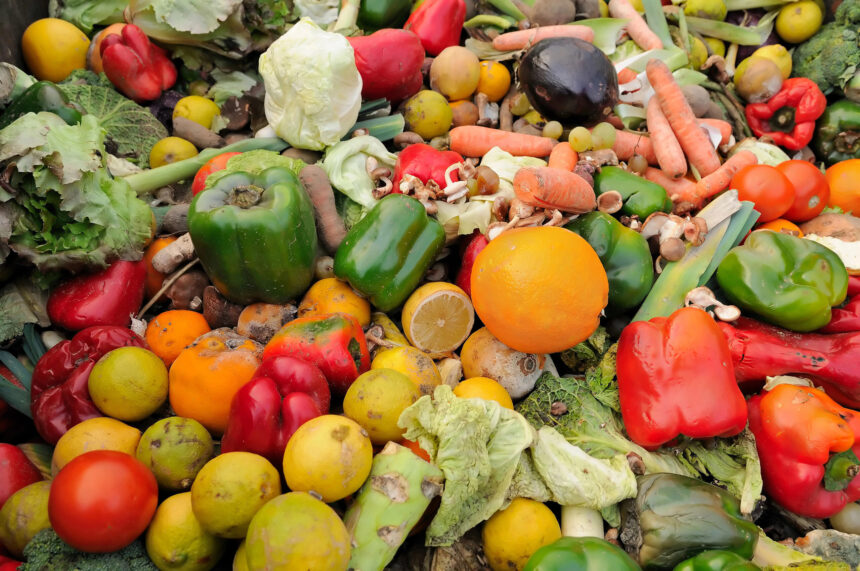
Cyprus tops the EU in food waste, with an alarming rate of 294 kg of discarded food per person annually, according to recent Eurostat data. This statistic highlights a significant issue that extends beyond individual households to restaurants, supermarkets, and the entire food supply chain. The European Union has recognised the critical nature of this problem and is now taking decisive action.

Photo: cyprus-mail.com
Understanding the Scale of Food Waste in the EU
Every year, the EU wastes approximately 59 million tonnes of food, an amount sufficient to fill thousands of football stadiums. This wastage not only represents lost food but also wasted resources such as energy, water, and labour involved in food production. The extent of food waste is a pressing concern that impacts both the economy and the environment.
New EU Directive on Food Waste Reduction
On 26 September 2025, the European Parliament took a significant step towards addressing food waste by adopting the Waste Framework Directive (EU 2025/1892). This new legislation establishes binding targets for Member States to reduce food waste across the supply chain. For the first time, the EU is mandating that countries implement measures to tackle this issue head-on.
Key Changes Coming by 2027 and 2030
- By 2027, every EU country must implement a national food waste prevention programme and designate a coordinating authority.
- By 2030, legally binding reduction targets will be in place: a 10% decrease in food waste from production and processing, and a 30% reduction per person in retail, distribution, catering, food services, and households.
To meet these ambitious targets, countries will need to introduce various new measures affecting how businesses manage food. This can include systematic reporting, clearer targets, and innovative solutions for redirecting unsold food, such as donation schemes and improved packaging.
Implications for Businesses in Cyprus
The new EU regulations will impose stricter expectations on businesses, but they also offer opportunities for those willing to adapt. Establishments that demonstrate a commitment to reducing food waste can differentiate themselves in a competitive market. For example, hotels might showcase their efforts to donate surplus food to local charities, while restaurants could redesign their menus to minimise plate waste.
Three Steps Businesses Can Take Now
- Measure Before You Manage: Understanding what gets thrown away is crucial. Tracking the quantity, type, and timing of waste can reveal patterns and help in devising effective strategies.
- Donate, Don’t Dump: Building food donation into daily operations is not merely an act of charity; it’s a smart approach to resource management. Unsold food can be transformed into goodwill rather than waste.
- Innovate Around Packaging and Portions: Implementing smaller portion sizes, flexible menus, and smarter packaging can significantly reduce waste and costs.
These three steps are just the beginning. As businesses adapt to the new landscape, they can create models that not only comply with regulations but also resonate with environmentally conscious consumers.
FoodConnect: A Platform for Change
To facilitate food donation, a new platform called FoodConnect is being launched. This initiative aims to simplify the process of registering surplus food and connecting businesses with organisations that can use it. With the backing of the Health Services in Cyprus, the platform encourages businesses to donate food while clarifying that the same safety regulations that apply to takeaway food also apply to donated food.
Supporting Businesses in Cyprus
FoodConnect is currently seeking businesses in Cyprus to become early adopters of the platform. Whether you are a café, hotel, bakery, or caterer, the initiative offers support in various forms, including:
- Starter Packs: These include boxes or containers for donations, tracking stickers, and a social media kit to promote participation.
- Training and Support: Personalized guidance will be provided to help businesses integrate FoodConnect into their daily routines.
- Pilot Period: A trial phase will allow businesses to practice the system and address any practical challenges.
The aim is to instil a culture of sharing and resource management that extends beyond regulatory compliance, promoting a community-oriented approach to food waste.
The Broader Significance of Reducing Food Waste
The EU’s new directive underscores that food waste is a critical issue intertwined with climate action, resource efficiency, and social solidarity. Addressing this challenge requires more than just policy changes; it necessitates a shift in mindset towards viewing food as a valuable resource rather than merely a consumable product.
In a world where food waste is rampant, innovative solutions and community engagement can pave the way for meaningful change. By fostering an environment that prioritises food sustainability, we can work towards a future where waste is minimised, and resources are valued.
For further information on joining FoodConnect or to get involved in combating food waste, contact [email protected].
Sara Mariza Vryonidi is the project manager at Friends of the Earth Cyprus.