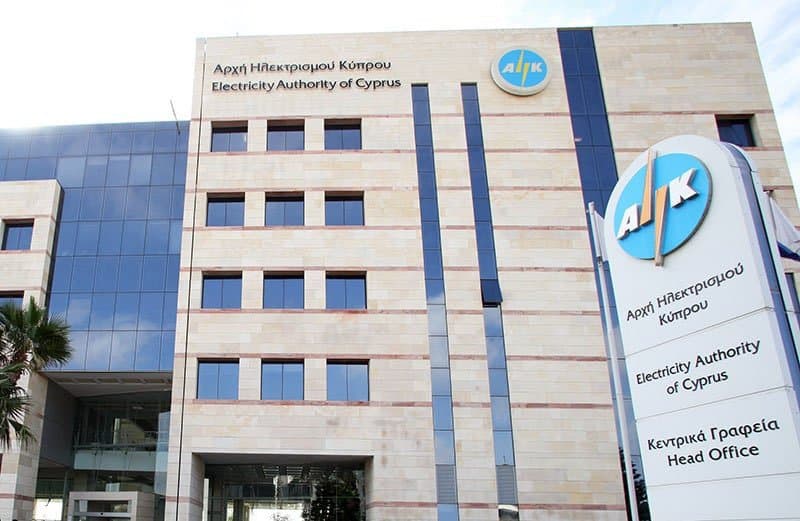
eac budget — MPs clashed over the Electricity Authority of Cyprus (EAC) budget, highlighting concerns about the state of the energy sector. The debate took place on Thursday, ahead of the passage of the 2026 budget, which outlines €2.55 billion in expenditures against an expected €1.95 billion in revenues. The discussion revealed deep-seated grievances regarding energy policies and future supply issues.
Eac budget: Debate Sparks Historical References
As discussions unfolded, some MPs referenced the tragic 2011 explosion at the Mari naval base, which significantly impacted the nearby power station. This incident still looms large in the minds of many, serving as a reminder of past failures in energy management. Disy MP Harris Georgiades noted that when the previous administration took office in 2013, the impact of the explosion was already evident, thus questioning the current government’s handling of the situation.
New Turbines Proposal Draws Criticism
One contentious point during the debate was the planned purchase of three new turbines for the aging Dhekelia power plant, with costs estimated at €140 million. Edek MP Marinos Sizopoulos questioned the decision to proceed with this tender, especially considering Cyprus’s plans to begin importing natural gas for electricity generation. This move raised eyebrows, as many see it as a potential misallocation of resources.
Environmental Concerns Highlighted
Environmental implications were a major topic of discussion. Charalambos Theopemptou from the Greens reminded fellow MPs of Cyprus’s repeated failures to replace the old turbines at Dhekelia. He cited pressure from the EU, which has urged Cyprus to shut down the plant due to its high emissions. Independent MP Alexandra Attalidou echoed these sentiments, labelling it “unacceptable” that the Dhekelia plant remains operational, as it continues to pose health risks to local residents due to pollution.
Warnings of Potential Blackouts
Akel leader Stefanos Stefanou raised alarms about potential electricity supply issues. He warned that the EAC might face a “serious problem” leading to blackouts during the summer months. According to Stefanou, EAC officials have indicated that the organisation will struggle to increase electricity output in the coming years, which could exacerbate the situation.
Political Finger-Pointing and Accountability
The debate quickly turned into a blame game, with Diko MP Zacharias Koulias accusing the Akel party of mishandling the introduction of natural gas to the island in the past. He asserted that Akel had previously obstructed efforts by former president Tassos Papadopoulos to secure natural gas supplies, thus complicating the current energy crisis.
Chrysis Pantelides, also from Diko, directed criticism towards the previous administration led by Nicos Anastasiades regarding the LNG terminal at Vasiliko and the Great Sea Interconnector. He claimed that the Anastasiades government had left behind “two time bombs” for the current administration to defuse.
Reactions to Historical Events
Georgiades responded to these accusations by pointing out that the problems attributed to the previous government were not new. He referred to the devastating events of July 2011, when an explosion caused by improperly stored explosives resulted in the deaths of 13 people and significant damage to the Vasiliko power station. This incident, according to Georgiades, was a pivotal moment that has continued to affect the energy landscape in Cyprus.
The Future of Cyprus’s Energy Policy
As the debate progressed, it became evident that the future of Cyprus’s energy policy would require careful planning and cooperation among political factions. The current budget discussions are not just about numbers; they represent a critical juncture for the energy sector, with implications for both public health and economic stability.
With the backdrop of environmental concerns and the looming threat of blackouts, MPs find themselves at a crossroads. The decisions made in the coming months regarding the EAC budget and energy policies will shape the future of Cyprus’s energy landscape, impacting both residents and the environment.