Men are increasingly embracing beauty culture, and this shift is exemplified by Hudson Williams, the star of the popular gay hockey romance series Heated Rivalry. Recently, his extensive skincare routine became a viral sensation, drawing attention to how men approach grooming and self-care.

Photo: cyprus-mail.com
In a video for The Cut, the 24-year-old actor shared his “five-step Korean beauty routine,” which includes a close shave, cleansing, pore-minimising treatments, a glowing toner, and targeted serums. With over 500,000 views on YouTube, his routine resonates with many, showcasing a blend of self-deprecating humour and a critique of the vanity often associated with beauty.
This viral moment is not isolated; it reflects a broader cultural shift where men are taking a keen interest in their appearance. From skincare to style, young men today are investing more time and resources into grooming practices traditionally associated with women. Despite this growing engagement, many still hesitate to label their routines as “beauty,” opting instead for terms like “grooming” or “self-care.”
Historically, beauty norms have predominantly targeted women, often pressuring them to adhere to rigid standards. However, these expectations are evolving, and men are now facing intensified scrutiny regarding their looks. Advertisements increasingly feature male bodies, and a plethora of cosmetic products aimed at men are hitting the shelves, reflecting this newfound focus.
Young men, in particular, are adopting multi-step skincare regimens similar to Williams’. Influencers on social media platforms play a significant role in this transformation, advocating for looking sharp and “freshening up.” The drive for a polished appearance mirrors the longstanding societal expectations placed on women, but the language surrounding it remains distinctly gendered.
Alongside skincare, there’s a growing push for muscularity among men. Influencers and celebrities promote rigorous exercise regimens and diets designed to sculpt an ideal physique. Yet, this pursuit can lead to unhealthy practices. Terms like “looksmaxxing” highlight a concerning trend where men seek to enhance their appearance through extreme measures, including dubious methods like “mewing” and “bone-smashing.”
Research indicates that these pressures contribute to rising levels of body insecurity among men. Body dysmorphia, particularly muscle dysmorphia, is becoming more prevalent, as men grapple with feelings of inadequacy regarding their physique. The UK’s Sexualization of Young People report emphasises that boys are increasingly pressured to exhibit hyper-masculine traits, showcasing muscles and dominance.
In conversations with young men, it’s evident that the weight of appearance is growing heavier. Social media cultivates a culture of comparison, leading many to feel that they fall short of the ideal. While these struggles echo those experienced by women, they are rarely articulated in terms of beauty, a concept often dismissed as frivolous when applied to men.
As men engage more with beauty culture, companies are recognising the lucrative potential of this market. In 2024, research from Mintel revealed that over half of men now use facial skincare products, with Gen Z leading the charge in seeking high-end and clean options. Projections suggest that the global market for men’s beauty products will exceed $5 billion by 2027, adding to the already substantial $450 billion beauty industry.
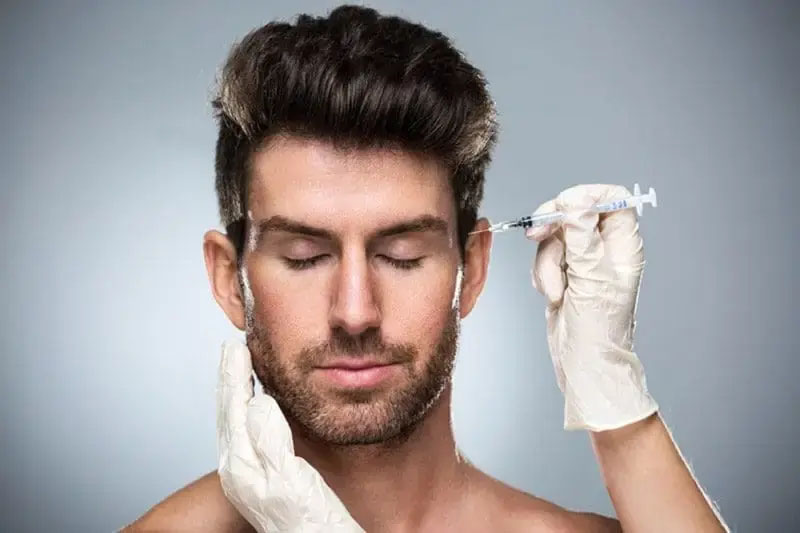
This rise in interest isn’t limited to skincare; men are increasingly exploring cosmetic procedures. The American Academy of Plastic Surgeons reports a notable uptick in men opting for body augmentation, cosmetic surgery, and non-invasive treatments like Botox. As men navigate these choices, the cultural implications of beauty continue to expand.
Ultimately, the evolving landscape of beauty culture reveals a complex interplay between societal expectations and individual desires. As men begin to embrace these norms, the conversation surrounding beauty is likely to grow richer and more nuanced. The cultural force of beauty, once predominantly associated with women, is now compelling men to engage in ways that challenge traditional gender roles.