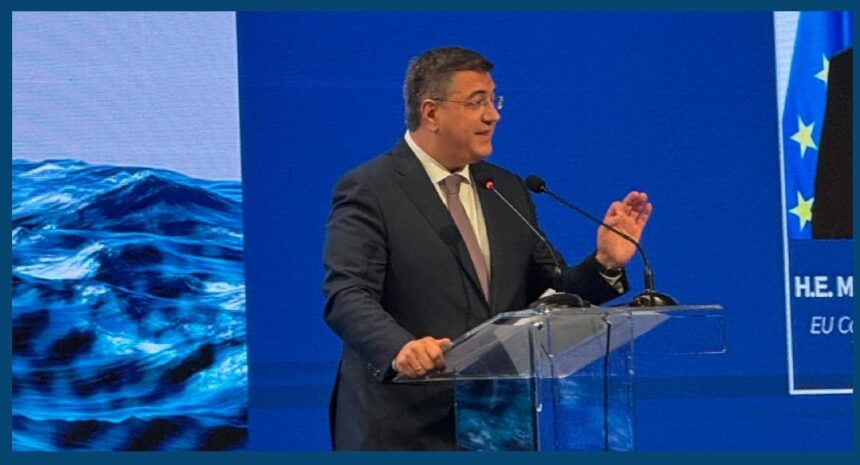
maritime policies — maritime policies — Cyprus is poised to play a pivotal role in shaping Europe’s maritime and tourism policies as it prepares for its upcoming Presidency of the Council of the European Union. This assertion was made by European Commissioner for Sustainable Transport and Tourism Apostolos Tzitzikostas during his address at the Maritime Cyprus 2025 conference held in Limassol.

Photo: cyprus-mail.com
Maritime policies: Key Policies Under Cypriot Presidency
Tzitzikostas emphasised that the Cypriot Presidency will be “decisive for Europe and for transport policy,” highlighting the nation’s status as a significant maritime player. He noted that Cyprus will contribute to the formulation of the new EU Maritime Industrial Strategy, the EU Port Strategy, and the Military Mobility Package.
European Strategy for Tourism on the Horizon
During the conference, the commissioner revealed plans for the EU’s first-ever European Strategy for Tourism, which is expected to be unveiled by Easter next year. He underscored that Cyprus will have a crucial role in its development, reflecting the island’s importance in the sector.
Discussions with Shipping Authorities
On the sidelines of the conference, Shipping Deputy Minister Marina Hadjimanolis met with Tzitzikostas to discuss the ministry’s priorities leading up to the Presidency in 2026, particularly in relation to the forthcoming European Industrial Maritime Strategy. Tzitzikostas characterised Cyprus as a “strong ally” in securing necessary funding for an effective and safe European transport system.
Strategic Budgeting for the Future
Looking ahead, Cyprus is expected to play a vital role in discussions regarding the next long-term EU budget for 2028–2034. Tzitzikostas described this budget as “crucial for the transport and maritime sectors,” as it will help ensure that the maritime industry remains competitive and resilient.
Call for Support from Cyprus
The commissioner urged for collaboration, stating, “Therefore, I count on your support,” and emphasised that early 2026 will mark a significant period for both Cyprus and European transport. He expressed optimism that this collaboration could lead to a defining moment for the maritime future of Europe.
Cyprus: A Global Maritime Hub
In his remarks, Tzitzikostas portrayed Cyprus as “more than just a maritime country,” referring to it as a “global maritime power” and a vital hub positioned at the crossroads of Europe, Asia, and Africa. He described the Cypriot flag as a symbol of quality and trust, affirming that the nation’s shipping industry is a cornerstone of its economy and a pillar of Europe’s maritime strength.
Challenges Facing European Maritime Industry
Tzitzikostas also touched upon the challenges facing Europe’s shipping and shipbuilding sectors. He highlighted that while the EU’s fleet continues to grow, it is doing so at a slower pace compared to other regions. According to the Draghi Report, Europe’s share of the global fleet has decreased from 38.5 per cent in 2018 to 33.6 per cent in 2024. This trend, he warned, necessitates collective action from the European Commission, Member States, and the industry to reverse.
Unfair Competition in Shipbuilding
The commissioner pointed out the unfair competition faced by European shipbuilders, who contend with foreign subsidies that allow competitors to sell vessels at 30 to 40 per cent lower prices. Addressing these challenges will be essential for maintaining the competitiveness of Europe’s maritime industry.
The Importance of Ports
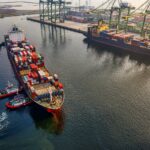
Concluding his address, Tzitzikostas referred to ports as “the backbone of our supply chains, our energy system, and military mobility.” He stressed that the forthcoming European Ports Strategy aims to strengthen and protect these critical assets, ensuring their role in supporting Europe’s economic and security frameworks.
A Collaborative Future
The conversations at the Maritime Cyprus 2025 conference emphasise the collaborative efforts needed to navigate the complexities of the maritime and tourism sectors in Europe. With Cyprus at the forefront during its Presidency, the island is set to influence significant policy changes that could shape the maritime landscape for years to come.