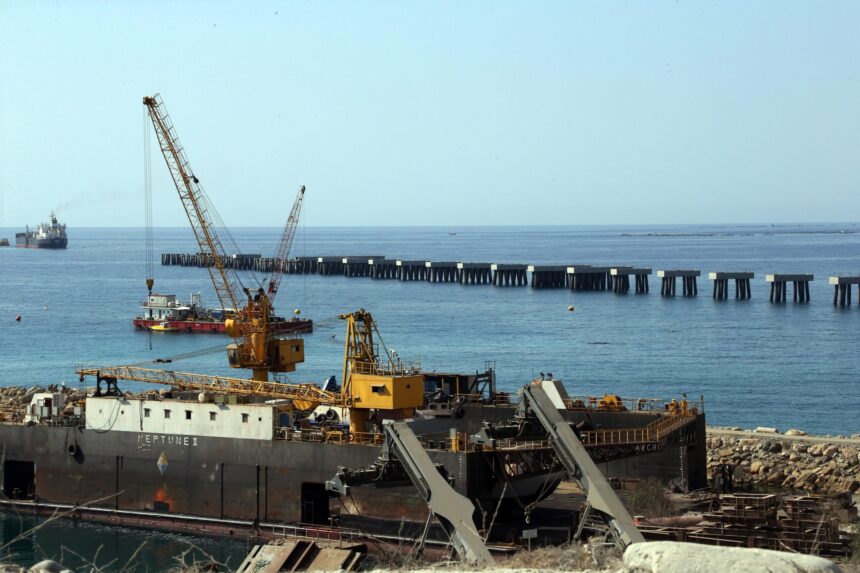
The LNG tender has been branded a ‘massive scandal’ as questions of corruption arise in Cyprus over the awarding of a contract to a Chinese-led consortium.
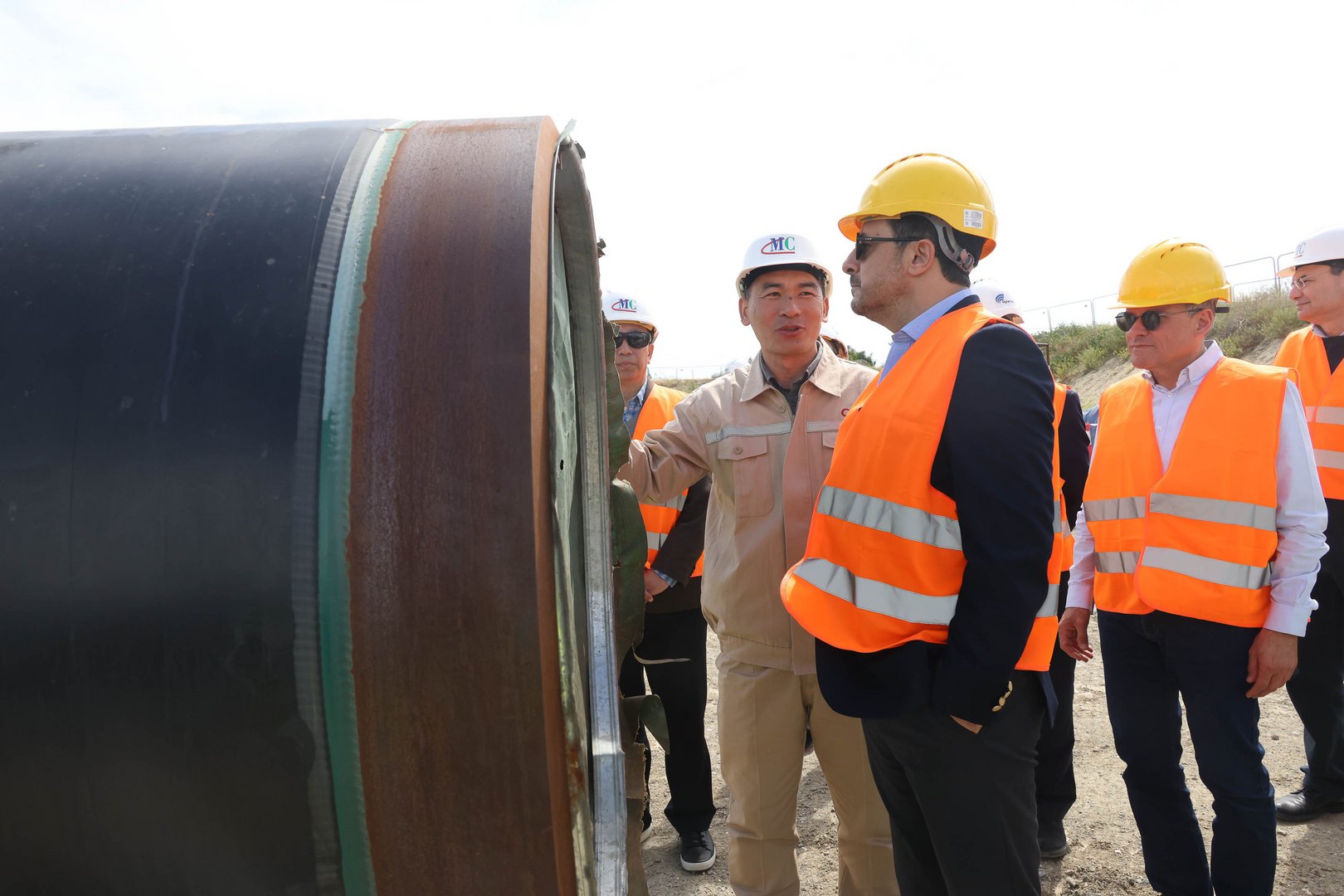
Photo: cyprus-mail.com
- The LNG tender has been branded a ‘massive scandal’ as questions of corruption arise in Cyprus over the awarding of a contract to a Chinese-led consortium.
- “I think the European prosecutor will look into everything, all facets – including how and why the tender was awarded to the Chinese consortium,” Pashiourtidis stated.
MPs have expressed frustration and confusion regarding how Cyprus found itself embroiled in the LNG farrago. During recent parliamentary discussions, some suggested that the situation may stem from more than just incompetence, hinting at possible corruption among government officials involved in the project.
Compounding the issues surrounding the LNG import terminal at Vasiliko, the energy minister revealed that the European Commission has demanded the return of €67.2 million. This figure represents a portion of the €101 million grant provided by the European Climate, Infrastructure and Environment Executive Agency (Cinea) for the project. A deadline of November 6 has been set for the repayment, which is non-negotiable.
The grant was pledged between late 2017 and early 2018, with the official agreement enacted in May 2018, long before the contract was signed with the Chinese consortium in December 2019. This latest development follows the European Public Prosecutor’s Office (Eppo) launching a criminal investigation into the project, scrutinising claims of procurement fraud and misappropriation of EU funds.
The Eppo has been looking into bank accounts connected to current and former politicians and state officials, focusing on suspicious money transfers. Akel MP Andreas Pashiourtidis expressed confidence that the investigation will delve into the circumstances surrounding the grant and the award process, suggesting potential personal benefits for some individuals involved.
“I think the European prosecutor will look into everything, all facets – including how and why the tender was awarded to the Chinese consortium,” Pashiourtidis stated.
As the Eppo continues its work, findings will be forwarded to the attorney-general, who will determine whether any indictments will follow. The gravity of the situation has not been lost on other parliamentarians, who have voiced their dismay at the current state of the LNG project.
Diko’s Chrysis Pantelides made headlines with his pointed remarks, questioning the decisions made during the awarding of the project in 2019. “So either we were idiots for taking these decisions, or it’s corruption. Let’s speak plainly. It is corruption,” he asserted, referencing the individuals in the Disy administration who made the key decisions.
Concerns have also been raised regarding the financial implications of the project, which initially had a contract value of around €500 million. Since then, additional costs have arisen, including a €25 million increase demanded by the contractor for rising steel prices and approximately €40 million paid to release the FSRU vessel from Shanghai. Moreover, legal fees for arbitration in London have amassed to €10.5 million.
Critics like Akel MP Costas Costa have labelled the LNG project a “massive scandal”. The timeline for completing the LNG terminal has been continually pushed back, with missed deadlines occurring in September 2022, July 2023, October 2023, and the latest in July 2024. Following these delays, the Chinese contractor withdrew from the project, citing irreconcilable differences with Etyfa.
Costa expressed concerns about the future, highlighting the ongoing ‘gap analysis’ being conducted by Technip, the government’s new advisor on the LNG project. He warned that should the analysis reveal substandard construction, the project could face a reset, potentially delaying the completion until 2029 or 2030.
The auditor-general’s findings have further cast a shadow over the LNG project. A report issued in January 2024 outlined significant procedural irregularities in the tender process. Initially set to go live in October 2018, the tender attracted three bidders, but two were disqualified, leaving only the Chinese-led consortium. Etyfa awarded the contract despite concerns raised about the consortium’s qualifications, including a history of violations and a lack of documentation for prior experience claimed by one of its members.
Despite warnings from the auditor-general about the risks to the €101 million grant from the EU, Etyfa pressed ahead with the contract in December 2019, arguing that the project’s urgency outweighed potential issues. This decision has since proven to be contentious, with ongoing scrutiny from both the Eppo and various MPs.