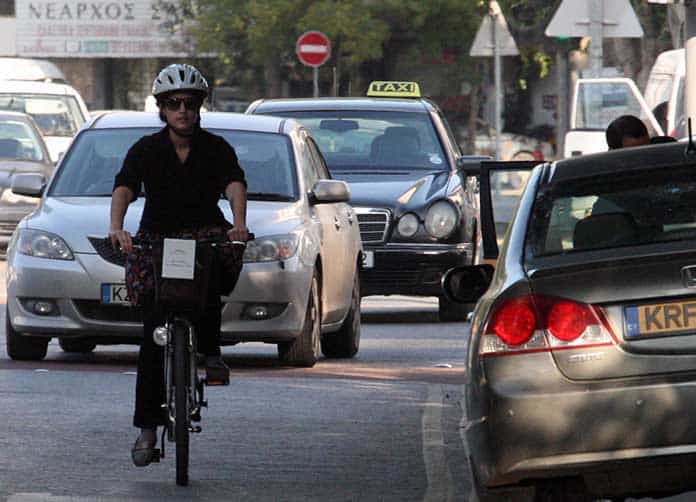
Limassol’s new cycle lanes have sparked debate, with Mayor Yiannis Armeftis defending their necessity while acknowledging aesthetic criticisms. He asserted that these lanes are crucial for promoting alternative transport and reducing reliance on private cars.
Addressing Aesthetic Concerns
Armeftis admitted that the cycle lanes may appear “unsightly” but stressed their importance in ensuring cyclist safety. “The city’s traffic problem cannot be solved when 90 per cent of the people travel in private cars,” he remarked, indicating that a shift towards cycling is essential for the city’s future.
Municipality’s Commitment to Improvements
In response to residents’ complaints regarding the protective barriers along streets such as Thekla Lysiotis and Emmanouel Roidis, Armeftis promised that the municipality would address these issues. He stated, “We will see how this can be made more attractive and, if there are excesses, we will try to change them or even remove them where necessary.”
Planned Changes and Community Engagement
The mayor highlighted the municipality’s commitment to evaluating the cycle lane infrastructure after the public works department completes its interventions. Potential changes could include widening pavements, adjusting street layouts, or creating short-term parking spaces to support local businesses.
Integrating Cycle Lanes into Urban Mobility Strategy
Armeftis explained that the cycle lane network is part of a broader sustainable urban mobility strategy, which includes planned one-way systems and pedestrianisation in key areas. He expressed concern that some criticisms stem from groups resistant to changes in the city centre, suggesting that these reactions often unfairly target municipal leadership.
Proactive Measures for a Sustainable Future
Despite the backlash, the municipality remains focused on practical solutions. With 23 proposals already submitted to the relevant authorities and more plans in the pipeline, Armeftis emphasised that the aim is not merely theoretical but rooted in creating effective, structured solutions to traffic congestion.
Listening to Residents
“We listen to the public, we take their concerns into account, and we are here to help shopkeepers,” he added, reflecting a commitment to community engagement throughout the transition. As Limassol navigates these changes, the conversation around the cycle lanes continues, balancing safety, aesthetics, and the city’s future transport needs.