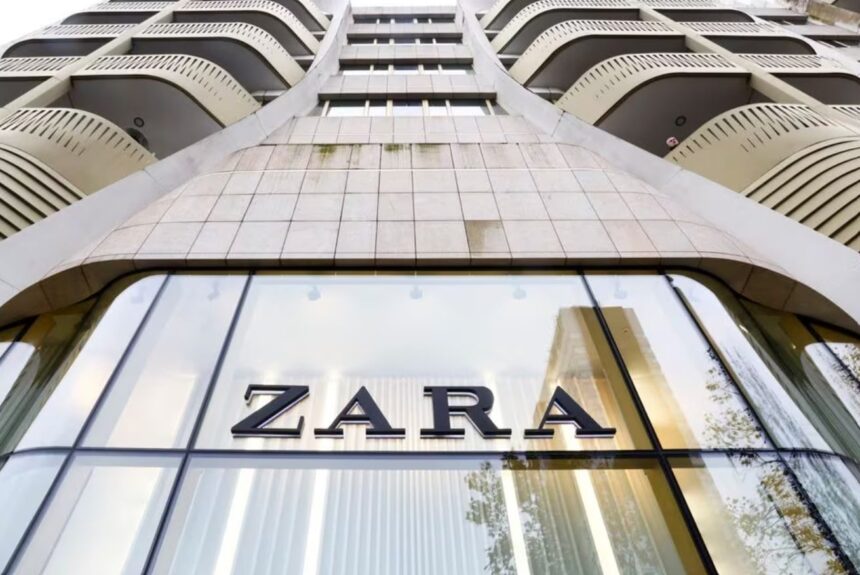
Inditex, the group behind Zara, has closed 136 stores in its first quarter of 2025, marking a significant shift towards larger, more technologically advanced outlets.
- Inditex, the group behind Zara, has closed 136 stores in its first quarter of 2025, marking a significant shift towards larger, more technologically advanced outlets.
This decision reflects the evolving landscape of global fashion retail, where companies must adapt to an increasingly digital audience and new competitive pressures. The closure of these stores is part of Inditex’s strategy to streamline operations and enhance profitability.
Inditex: Impact on Zara and Other Brands
Zara was notably affected, shuttering 52 locations in Spain alone over a three-month period. This has contributed to a decline in Inditex’s global footprint, which dropped from 5,698 stores in 2024 to 5,562 in 2025, equating to a 2.39 per cent reduction. The closures have been particularly noticeable in Zaragoza, with the brand’s stores in Puerto Venecia and Massimo Dutti on Paseo Independencia closing after profitability reviews.
Expansion Plans Amid Closures
Despite the closures, Inditex is simultaneously expanding its total retail space, aiming for a 5 per cent increase by 2026. The focus will be on large flagship stores equipped with integrated digital services, cafés, and leisure areas, similar to what has already been implemented in cities like Athens and Madrid.
A new flagship Zara store is set to open in Zaragoza in 2026, complemented by the development of a substantial logistics hub in Malpica, which will rank among the group’s five largest worldwide. This indicates a strategic push towards more centralised and technology-driven operations.
Broader Restructuring Across Brands
The restructuring is not limited to Zara; other brands under the Inditex umbrella have also faced closures. Oysho has closed 34 stores, Zara Home 21, Massimo Dutti 20, Stradivarius 10, and Bershka one, while only Pull&Bear has recorded growth with the addition of two new stores. Inditex has stated that the goal is to optimise store performance to enhance productivity.
Sales Performance During Transition
Despite the wave of closures, Inditex reported a slight sales increase of 1.5 per cent in the first quarter, totalling €8.27 billion, with net profits rising by 0.3 per cent to €1.305 billion. However, these figures are considerably lower than the previous year, which saw a 7.5 per cent increase in revenue and a 9 per cent rise in profits, underscoring the necessity of a strategic shift.
Adapting to Digital Trends
As e-commerce continues to grow, it emerges as a central driver of Inditex’s future. The company believes that its success will hinge less on the sheer number of physical stores and more on their ability to attract and retain customers through a blend of fashion, technology, and customer experience.
Global Presence and Future Opportunities
With operations in 214 markets, Inditex sees significant growth opportunities ahead, even as the retail landscape evolves. In smaller markets like Cyprus, similar trends are observed, albeit on a smaller scale. The number of stores has decreased slightly, but the importance of each location has grown, as the market adapts to a high digital penetration and rising online fashion sales.
In Cyprus, Inditex operated 42 stores across various brands in 2022, but this number has since fallen to 40, with Zara remaining unchanged at seven locations. This adjustment, while modest, aligns with the broader global strategy where physical stores act as integrated hubs within a more technology-driven retail framework.