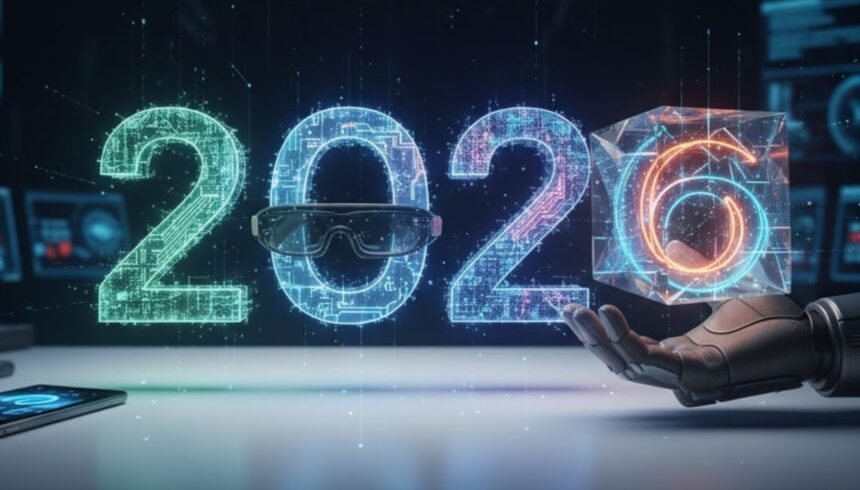
science reimagining — science reimagining — In 2026, science is set to transform our urban landscapes with innovations like living buildings, quantum computers, and home robots. Researchers across Europe are exploring groundbreaking concepts that could reshape how we live and interact with our environment.
Science reimagining: Bio-Architecture: A Harmonious Future
Imagine a city where buildings are not just structures but living entities that contribute to their environment. Architect Phil Ayres from the Royal Danish Academy in Copenhagen envisions biohybrid architecture, where materials such as fungi and climbing plants are integral to urban design.
Ayres explains, “Traditional construction materials are usually mined, transported and processed at high temperatures before becoming durable building components. We’re investigating how living complexes could be leveraged as part of a building’s fabric.” This approach could enhance carbon sequestration and biodiversity, moving towards a more circular economy.
Quantum Computing: Bridging Theory and Reality
As quantum computing technologies mature, they are gradually transitioning from theoretical concepts to practical applications. Professor Giulia Acconcia of the Polytechnic University of Milan highlights significant advancements, stating, “Quantum computers are poised to leave research labs and start influencing people’s lives.”
Her team is working on a quantum computer using photons, which could revolutionise data security and battery optimisation for electric vehicles. This technology promises to tackle complex problems that current supercomputers struggle with, potentially changing our approach to technology.
Health Risks from Everyday Chemicals
Amidst advancements in technology, health experts are drawing attention to the hidden dangers in our daily lives. Dutch toxicologist Majorie van Duursen from the Vrije Universiteit Amsterdam warns that many common chemicals disrupt hormones and pose long-term health risks.
Van Duursen notes, “The dose makes the poison” may not always apply, as exposure timing can significantly affect health outcomes. Her research highlights the urgent need for better regulation and smarter consumer choices to mitigate risks associated with endocrine-disrupting chemicals.
Home Robots: A New Era of Assistance
Envision a future where robots assist the elderly with daily tasks or help recycle electronic devices. Dr Aleš Ude from the Jožef Stefan Institute in Slovenia believes that general-purpose robots will soon become a reality, thanks to rapid advancements in AI.
Ude states, “Almost nobody except the rich has 24-hour domestic help. Many people would pay considerably for such a robot.” Current research explores how robots can adapt to dynamic environments, enhancing their reliability and effectiveness in domestic and medical settings.
Preparedness for Future Pandemics
As the global community reflects on the lessons from COVID-19, Professor Marion Koopmans from the Erasmus Medical Centre in Rotterdam argues for enhanced vigilance and preparedness for future pandemics. She asserts that understanding and tracking emerging diseases is crucial, stating, “COVID-19 was a high-impact pandemic, although it could have been worse.”
Koopmans emphasises the need for robust data collection and citizen engagement in identifying potential outbreaks. By integrating technology with public health surveillance, Europe can better prepare for the unexpected challenges of future health crises.