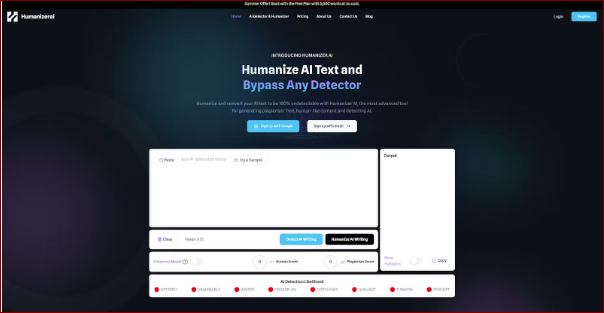
In the evolving landscape of writing and communication, the need to “humanise” AI-generated text has gained significant attention, particularly in Cyprus.
The Need for Human Connection in AI Writing
As artificial intelligence increasingly aids writing processes—ranging from blog posts to academic papers—users in Cyprus face a common challenge: the often sterile output of AI tools. Many individuals, including students and business owners, rely on AI to save time, but the results can feel impersonal and mechanical. This prompts the question: how can we make AI-generated content more relatable and engaging?
Humanising AI involves infusing the text with warmth and personality. When we read a piece of writing, we seek connection; it should resonate as though a friend is sharing their experiences. However, AI typically constructs sentences based on pattern recognition, which can lead to a lack of emotional depth, the hallmark of genuinely human writing.
Understanding the Challenges: AI’s Flatness and Local Implications
AI writing often suffers from several identifiable traits: overly complex language, repetitive sentence structures, and an absence of personal anecdotes. In Cyprus, these challenges resonate particularly within the context of local businesses and educational institutions where effective communication is paramount.
The recent implementation of the NIS 2 Directive aims to enhance cybersecurity measures across Europe, including Cyprus. Yet, as businesses navigate these cybersecurity regulations, they must also ensure their communications do not inadvertently fall flat. Cybersecurity is no longer just a technical concern; it’s also about fostering trust and understanding with clients and stakeholders.
Bridging the AI-Human Gap
To combat the impersonal nature of AI-generated writing, consider adopting simple strategies. Start by reading the text aloud; this can reveal awkward phrasing or overly formal language that can easily be adjusted. Replacing complex words with simpler alternatives and varying sentence length can also help in achieving a more conversational tone. Adding personal touches—such as anecdotes or observations—ensures that the text feels lived-in and authentic.
For busy individuals, using AI humanisers can streamline this process. Tools that refine AI-generated text into a more natural flow can be invaluable. However, it’s essential to retain your unique voice. After using a humaniser, take a moment to tweak the output by incorporating your personal experiences or opinions. This blend of technology and individual insight can elevate your writing, making it relatable and engaging.
Capitalising on Local Trends: AI Tools in a Cypriot Context
The growth of digital policies in Cyprus has fostered an environment ripe for the adoption of AI tools, but organisations must tread carefully. The Digital Services Act (DSA) mandates greater accountability from tech providers, ensuring that generated content aligns with ethical and legal standards. This sentiment extends to AI-generated writing; organisations in Cyprus can implement guidelines to ensure that AI outputs reflect local values and languages.
- Local Legislation: Familiarising oneself with regulatory frameworks like NIS 2 and the DSA can help businesses ensure compliance while utilising AI tools.
- Partnerships: Collaborate with local tech firms or educational institutions that offer training on AI tools and best practices in content generation.
- Public Engagement: Encourage community feedback on AI-generated content to refine approaches and foster trust among customers.
As more Cypriots turn to AI for communication, finding a balance between automation and personal touch becomes crucial. It’s not merely about the efficiency of generating text but ensuring that the essence of human experience and connection is preserved.
Conclusion: The Human Touch in an AI-Driven World
The integration of AI into writing processes is inevitable, and its advantages are clear. However, the art of captivating writing lies in its human essence. By taking steps to humanise AI-generated content, individuals in Cyprus can ensure that their communications remain engaging and resonant. Whether through editing practices or leveraging technology, the goal remains the same: to cultivate a dialogue that reflects both innovation and authenticity.
As we move forward in this digital era, the challenge and opportunity lie in creating narratives that not only inform but also connect. Embracing AI should not mean sacrificing the human touch; instead, it offers a chance to enhance it, ensuring that our stories are not only told, but truly heard and felt.