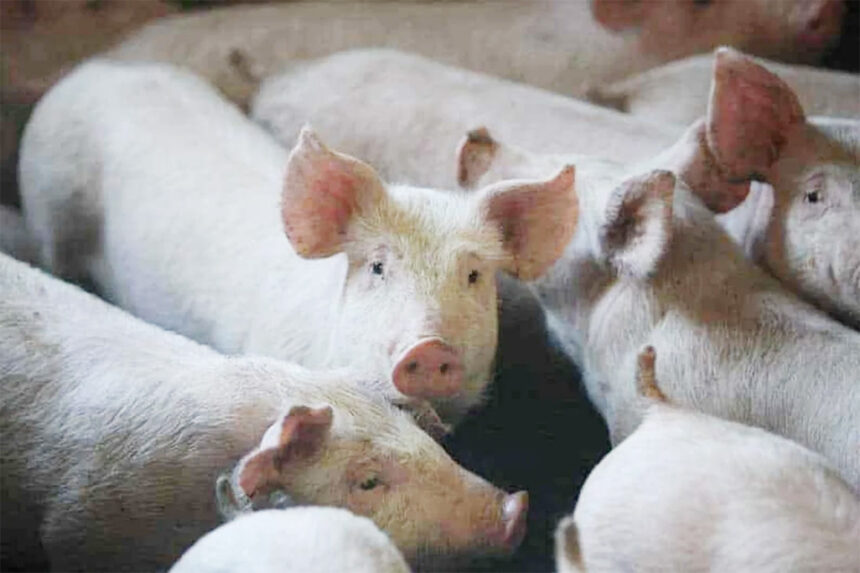
Up to 33,000 healthy piglets will be slaughtered under a government support scheme aimed at preventing the collapse of Cyprus’ pig farming sector. This drastic decision follows an export ban that has left producers grappling with a growing surplus of animals.
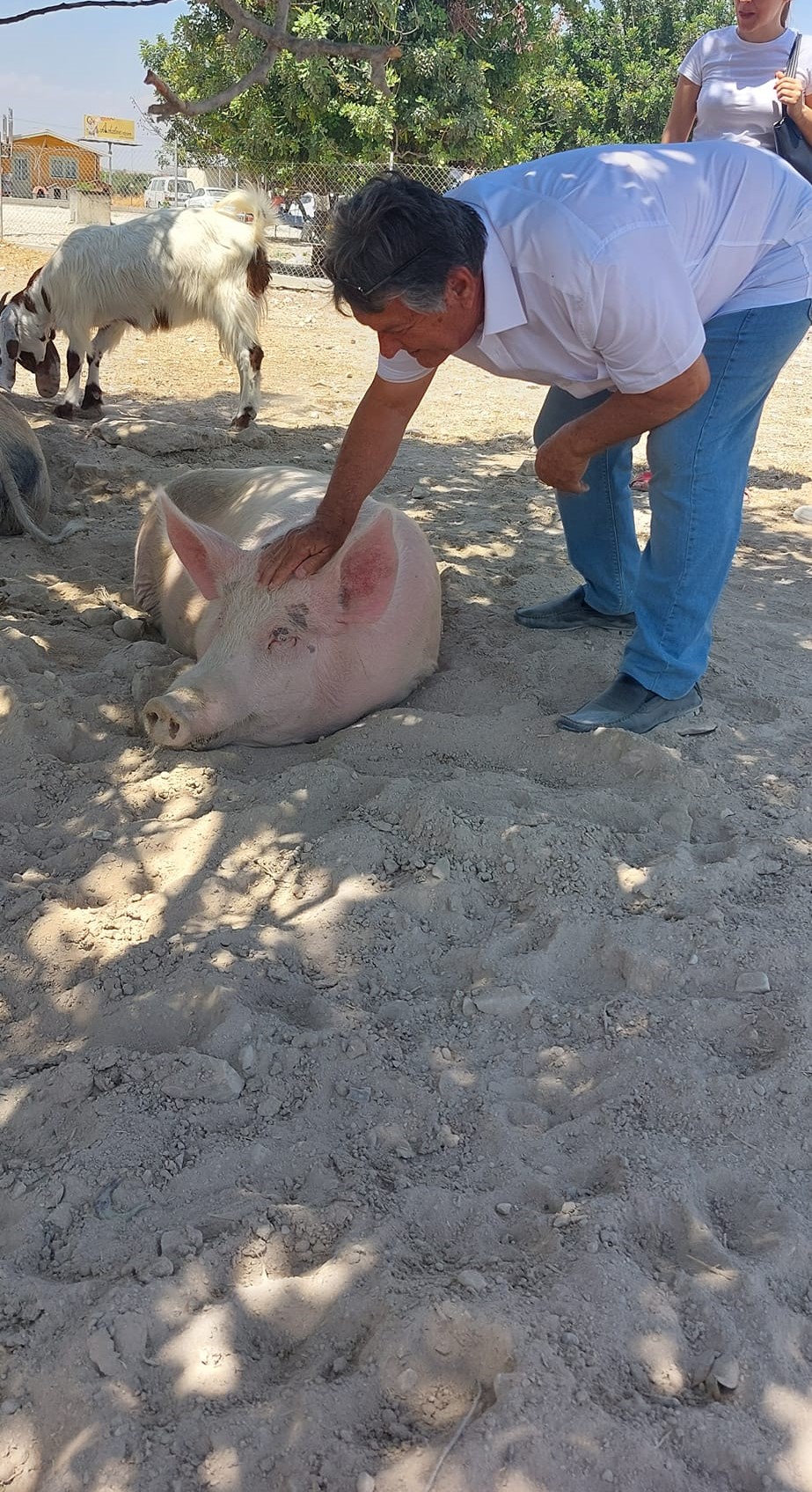
Photo: cyprus-mail.com
- As the export restrictions remain in place until at least August 1, producers are warning that additional measures might be necessary to stabilise the market unless exports can resume soon.
On Wednesday, the cabinet approved a compensation scheme for pig farmers after the European Commission extended foot-and-mouth disease restriction zones across Cyprus until August 1. The ongoing restrictions prohibit exports of fresh pork and non-heat-treated pork products, exacerbating the market’s challenges.
Giorgos Andreou, chairman of the Cyprus Pig Farmers’ Association, highlighted the severe imbalance caused by the export ban. “Production is highest during the winter months, which is when exports become crucial,” he explained. “We normally export around 1,500 surplus pigs each week.”
To mitigate what could become a more serious crisis later in the year, the association suggested reducing animal numbers as soon as possible. Andreou stated that the piglets would be slaughtered after they are weaned, approximately one month after birth. This approach aims to prevent a surplus and avert the need for slaughtering breeding sows.
The slaughter process will involve euthanising the piglets at a slaughterhouse using carbon dioxide, with the remains treated as animal by-products for biogas production. “From an animal welfare perspective, this is the approved method,” Andreou added. He emphasised that the sole reason for this measure is the export prohibition, which has resulted in an oversupply of pork. “If exports were possible, there would be no need for this measure,” he said.
Addressing concerns that the slaughter might be a ploy to artificially inflate pork prices, Andreou clarified, “The aim is to prevent a market surplus that would create even bigger problems for producers.”
The decision has ignited strong opposition from the Cyprus Animal Party, which condemned the planned slaughter as “a mass death sentence for innocent animals.” The party attributed the situation to government failures in managing the crisis effectively. “It is not the piglets that are surplus. It is incompetence,” they stated.
The animal rights group argued that the slaughter results from inadequate planning, questioning why contingency measures were not established prior to the export ban’s implementation. They claimed that instead of safeguarding production and animal welfare, the government is leading thousands of living creatures to destruction while seeking taxpayer compensation. “The state is leading tens of thousands of living creatures to destruction and then asking taxpayers to pay millions of euros in compensation for a disaster that could have been avoided through proper planning,” their statement read.
The Cyprus Animal Party has called for the resignations of key officials, including Agriculture Minister Maria Panayiotou, the head of veterinary services, and the commissioner for environment and animal welfare. They accuse these leaders of failing to protect animal welfare and prevent the current crisis.
In a bid to support the piglets, the party has also encouraged the public to consider adopting them, reminding everyone that pigs are intelligent, social animals deserving of life rather than being born only to face slaughter weeks later.
As the export restrictions remain in place until at least August 1, producers are warning that additional measures might be necessary to stabilise the market unless exports can resume soon.