Foot-and-mouth disease has struck a cattle farm in Livadia, Larnaca, marking the first confirmed case in the government-controlled areas of Cyprus. The outbreak has prompted Cyprus’s Veterinary Services to activate stringent EU containment protocols to address the situation.
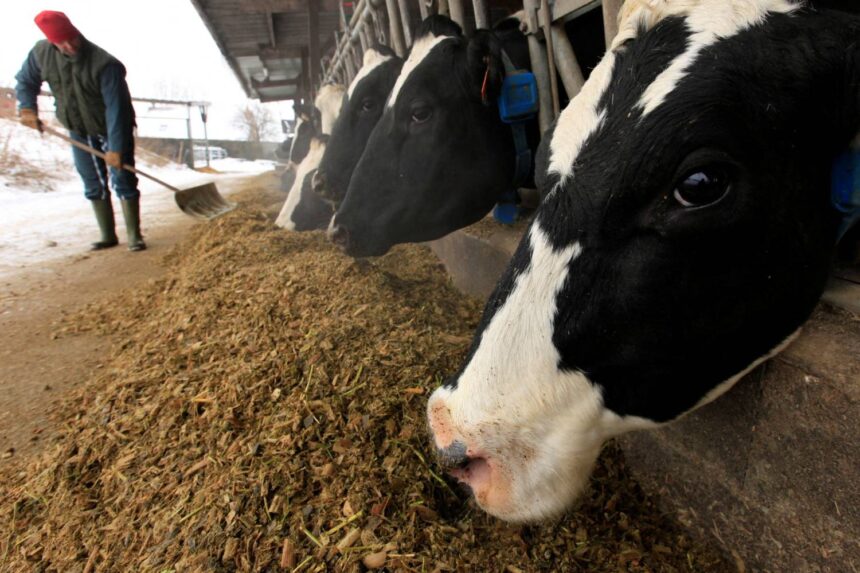
In response to this urgent health crisis, an emergency meeting is currently taking place at the Veterinary Services headquarters, where all relevant authorities are coordinating their response efforts. As part of the containment measures, all 300 cattle at the affected farm will be culled and buried following the prescribed sanitary procedures outlined in the Animal Health Regulations of 2004. Additionally, all products derived from these animals, including milk and meat, have been seized to prevent any risk of further transmission.
The outbreak has raised concerns as any positive case identified within a 3km protection zone will necessitate the culling of all animals on that premises as well. Veterinary Services has reassured the public, clarifying that foot-and-mouth disease affects only cloven-hoofed animals such as cattle, sheep, and pigs, and poses no threat to human health. They emphasised that the consumption of pasteurised products remains safe.
Initial assessments indicate that the strain detected is the SAT1 serotype, which had previously impacted the occupied areas of Cyprus, first identified in Lapithos. Investigations are ongoing to determine how the virus was transmitted to the government-controlled regions, with authorities examining various scenarios, including possible spread through the buffer zone or illegal animal movements.
In the weeks leading up to the outbreak, Veterinary Services conducted inspections at 130 farms along the buffer zone, including locations such as Athienou, Lymbia, and Potamia, all of which returned negative results for foot-and-mouth disease. The proactive measures taken by the authorities highlight their commitment to safeguarding livestock health.
To bolster their response, additional disinfection systems are being set up at crossing points, and officers will be deployed to escort milk tankers in sensitive areas. Furthermore, strict biosecurity compliance is being enforced among all livestock farmers, and they are urged to report any suspicious symptoms immediately to ensure a swift response.
The ramifications of this outbreak extend beyond local farmers, as it has raised alarms internationally. For instance, Australia has reacted by banning food imports from Cyprus, including halloumi, due to the outbreak, showcasing the far-reaching impacts of foot-and-mouth disease on trade and agriculture.