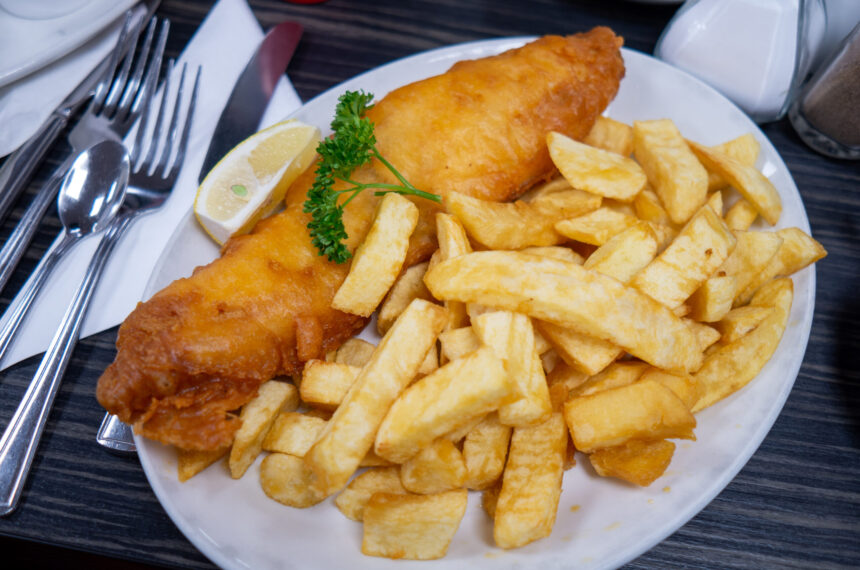
Few dishes conjure a sense of place quite like fish and chips. This iconic pairing of battered fish and deep-fried potatoes has become a cherished symbol of British cuisine, embodying the nation’s culinary heritage and social evolution. Originating from a blend of immigrant traditions and local innovations, fish and chips tell a story of community and culture that stretches back centuries.
Historical Roots of Fish and Chips
The journey of fish and chips began with Jewish immigrants from Spain and Portugal, who introduced fried fish to Britain as early as the 17th century. This method, adapted for the Sabbath, involved coating fish in flour and frying it in oil, creating a dish that was both practical and delicious. Meanwhile, the concept of frying potatoes—what we now know as chips—was being explored across France and Belgium, long before reaching British shores.
It wasn’t until the mid-19th century that these two culinary traditions fused in the working-class neighbourhoods of London and Lancashire. The rapid expansion of rail networks and trawling operations ensured a steady supply of affordable fish, making this dish not just a delicacy but a staple for many. It was a time when the working classes sought hearty and inexpensive meals, and fish and chips fit the bill perfectly.
The Birth of the Fish and Chip Shop
The first fish and chip shop is often attributed to Joseph Malin, who opened his establishment in London during the 1860s. However, several towns in the North, such as Oldham and Mossley, also claim their own early fish and chip ventures around the same period. Regardless of its exact origins, by the turn of the 20th century, fish and chips had entrenched itself in British culture as a nourishing meal enjoyed by people from all walks of life—mill workers, schoolchildren, and soldiers alike.
During both World Wars, fish and chips gained an even more significant role in the national psyche, remaining one of the few foods that was never rationed. Its availability became synonymous with national morale, and it provided comfort during trying times, solidifying its place in the heart of the nation.
The Regional Variations of a Classic
While the fundamental components of fish and chips—typically a fillet of white fish, such as cod or haddock, enveloped in batter and served alongside thick-cut chips—remain consistent, regional differences abound. In the North of England, for instance, the batter tends to be crispier, and the chips are meatier, often served with a variety of condiments, including mushy peas and gravy. Conversely, in the South, the emphasis is generally on the classic pairing of salt and malt vinegar.
Scotland, too, boasts its own variations, often favouring haddock and at times serving the fish in a roll, a delightful twist on the traditional presentation. As culinary creativity has flourished in recent years, innovations such as beer batter, panko coatings, and even oven-baked versions have emerged, reflecting a modern take on this classic dish while honouring its rich history.
Fish and Chips Beyond the UK
Though primarily a British institution, fish and chips have made their way onto menus around the globe, including in places like Cyprus. Here, the dish might not hold traditional significance, yet it has found a niche in British pubs and seaside restaurants. Some establishments have taken the opportunity to incorporate local ingredients, using fresh Mediterranean seabass or sea bream, which not only adds a unique regional flavour but also keeps the spirit of the dish alive.
The Enduring Appeal of Fish and Chips
Today, the enduring appeal of fish and chips lies not just in its taste but in what it represents—a connection to history, community, and the shared experiences of generations. Whether enjoyed at a bustling chippy or savoured on a quiet seaside promenade, this dish continues to conjure a sense of place and belonging for many.
As we celebrate the legacy of fish and chips, it is essential to recognise its role in shaping Britain’s culinary landscape. From its humble origins to its status as a national treasure, fish and chips remain a testament to the power of food in bringing people together and preserving cultural identity.