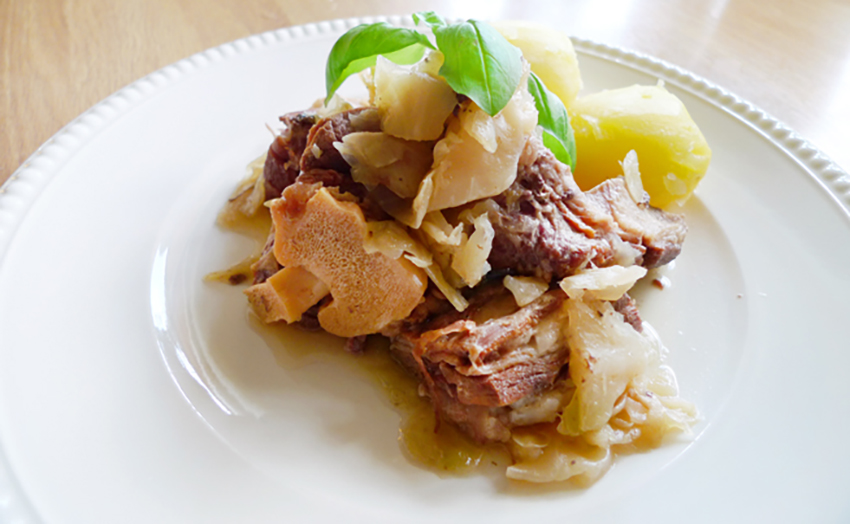
Farikal stands as a testament to Norwegian simplicity, embodying the essence of comfort food that has warmed hearts and homes for generations. This traditional dish, consisting of tender lamb or mutton layered with crisp cabbage, is a staple that Norwegians have turned to as the cold winds of autumn begin to blow.
Crafting the Perfect Farikal
At its core, farikal is a straightforward stew that relies on quality ingredients and careful preparation. Mutton or lamb, typically shoulder or neck cuts, are alternated with wedges of white cabbage. The dish is seasoned with whole black peppercorns and salt, and cooked with minimal water, allowing the flavours to meld beautifully over two to three hours of gentle simmering.
A Complementary Side
Traditionally, farikal is served with boiled potatoes, generously slicked with butter and sprinkled with parsley. This simple addition elevates the dish, turning a humble potage into a fulfilling meal that not only warms the body but also nourishes the spirit.
Historical Roots of Farikal
The origins of farikal can be traced back to Norway’s agrarian past, where sheep have grazed the rugged landscapes for thousands of years. Since Neolithic times, these animals provided wool, milk, and meat, sustaining communities through the harsh winters. Cabbage, too, has a longstanding presence in Norwegian diets, with references dating back to 13th-century trade laws and Old Norse proverbs that highlight the value of modest fare.
A Seasonal Tradition
By the 19th century, farikal had become more than just a simple meal; it was a seasonal rite among farmers, coinciding with the autumn lamb slaughter and the cabbage harvest. The dish’s layered presentation mirrors the geological strata of Norway’s fjords, symbolising the deep connection between the people and their land.
A Symbol of National Identity
Over the years, farikal has evolved from a peasant dish into a powerful symbol of Norwegian identity. In 1972, a public vote orchestrated by a newspaper resulted in farikal being chosen as the official national dish, marking a significant moment of cultural pride and collective expression among Norwegians.
Farikal Day: A Celebration of Tradition
Each year, the last Thursday of September is designated as Farikal Day, a time when families gather to celebrate their culinary heritage. Tables across the nation are laden with this traditional dish, often with modern twists that incorporate root vegetables or additional herbs. Yet, purists maintain that the elemental quartet of lamb, cabbage, pepper, and salt is what defines an authentic farikal.
Regional Variations in Preparation
Norway’s diverse geography contributes to regional nuances in farikal preparation. Coastal areas may prefer the freshness of young lamb, while inland variations often lean towards mutton for a deeper, richer flavour. Some cooks generously sprinkle peppercorns, adding a delightful challenge for diners as they navigate the bursts of heat within each bite.
A Reflection of Sustainable Practices
Farikal is not just a dish; it is a reflection of Norway’s pastoral traditions. With over a million sheep grazing across the land—one for every sixth inhabitant—this long history of herding has shaped both the landscape and the culture. By maintaining a balance between cultivated pastures and wild areas, Norwegian sheep farming supports sustainable practices, reducing the need for poaching.
The Enduring Legacy of Farikal
Humble yet resilient, farikal has weathered centuries of change, emerging as a culinary staple that captures the spirit of Norway. Each bowl serves not only lamb and cabbage but also a taste of the country’s profound relationship with its land and the generations of people who have tended it. As Norwegians continue to celebrate this beloved dish, farikal remains a comforting reminder of their rich agricultural heritage and the simple joys of home-cooked meals.