The agreement between farmers and the government regarding compensation for culled foot and mouth disease livestock has been finalised, bringing some relief to those affected by the outbreak. On Thursday, Agriculture Minister Maria Panayiotou announced the specifics of the compensation package aimed at supporting farmers whose animals have been culled due to the ongoing health crisis.
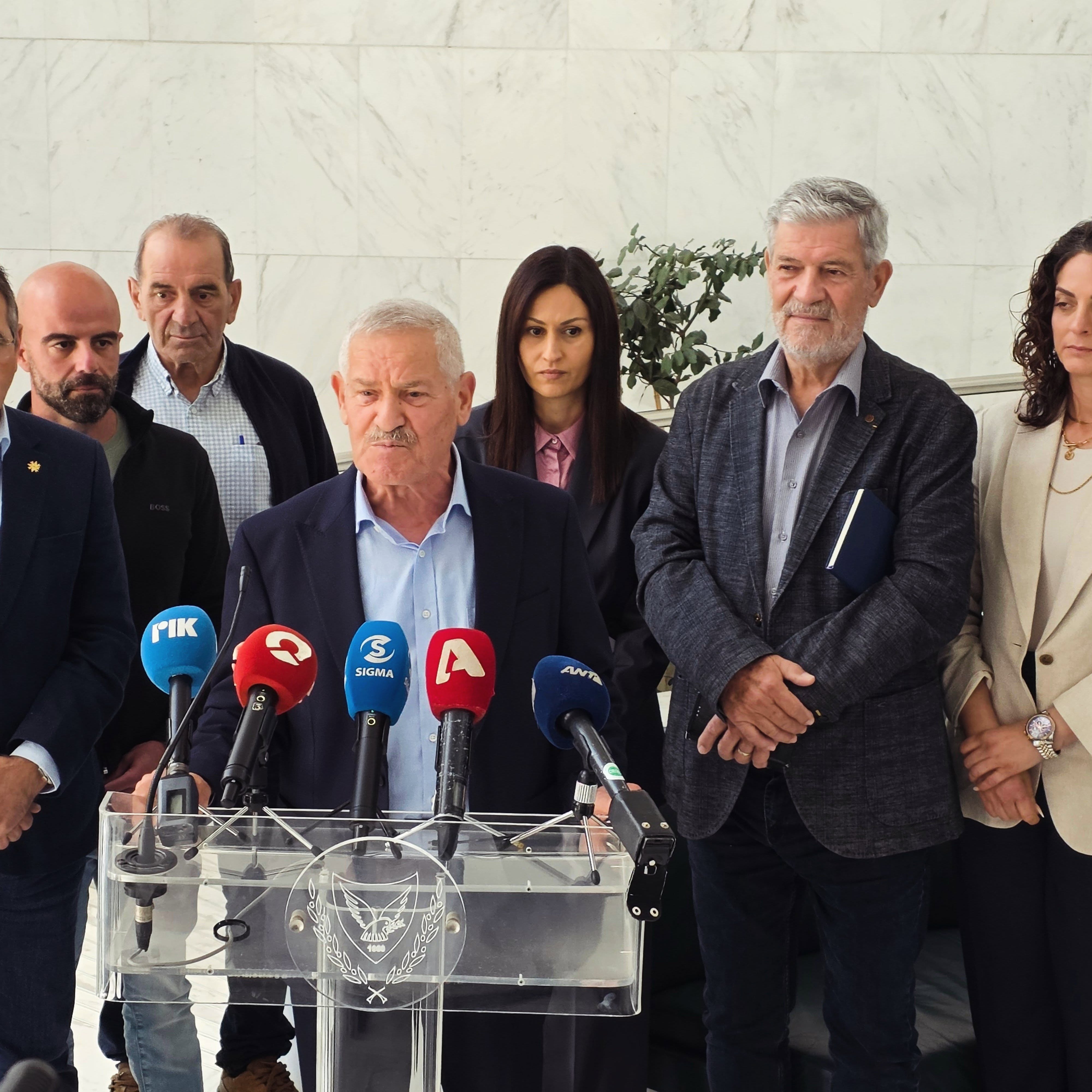
Photo: cyprus-mail.com
Compensation Rates Established
The government will now pay farmers between €43 and €178 for regular sheep and goats, while those deemed of “high genetic value” will receive between €47 and €420. For cows, the compensation will range from €150 to €1,500, with exceptional cattle qualifying for up to €2,500. These figures were revealed following the meeting of the ad hoc committee, which was convened to address the outbreak and its implications for the livestock industry.
Support for Affected Farmers
Minister Panayiotou emphasised the human impact of this crisis, stating, “It is tragic to lose in an instant the livestock which constitutes the work of a lifetime.” She noted that the government is committed to providing substantial support to farmers, recognising the difficulty they face as a result of the disease. The minister also mentioned plans to present a new proposal to the cabinet to expedite advance payments for all affected farmers, regardless of the number of animals lost.
Above European Reference Prices
The compensation rates set by the Republic of Cyprus exceed those provided by the European Union’s reference prices, which the minister highlighted as being significantly lower. For instance, the EU’s maximum compensation values are capped at €1,000 per cow and €140 per sheep. Minister Panayiotou pointed out that Cyprus has chosen to support its livestock farmers with compensation rates that are, in some cases, up to 200% higher than these European standards.
Clarification on EU Involvement
According to an agriculture ministry spokesperson, the European Commission typically contributes 30% of the compensation for culled animals, which would amount to €300 per cow and €42 per sheep based on the EU ceilings. However, it remains unclear whether the commission will continue to co-finance payments if member states decide to offer higher compensation. The Cyprus Mail has reached out to the European Commission for clarification on this matter.
Immediate Financial Support for Farmers
Payments to farmers are set to commence next week, with additional support being offered to those who wish to return to farming after their livestock has been culled. Panayiotou stated that these farmers will receive income loss support for a minimum of 12 months, ensuring that their operational costs, labour, and financial obligations are covered while they work to rebuild their herds.
Future Plans for High Genetic Value Livestock
Farmers with high genetic value animals will be included in a state support plan designed to secure their future. This plan will take into account the genetic value, productivity, and age of the animals, establishing a maximum value per category. If the compensation received for culling exceeds the planned support, the government will subsidise the difference to ensure fairness.
Direct Support for Farmers
To facilitate this process, Panayiotou announced that a state official will be assigned to each affected livestock farmer. This official will assist in guiding the reconstruction of their farming units. The government estimates that approximately 110 officials will be required for this task, focusing on providing tailored support to those impacted by the disease.
Projected Costs of the Measures
The financial implications of the compensation and support measures are expected to exceed €35 million. This significant investment highlights the government’s commitment to stabilising the livestock sector in the face of the foot and mouth disease outbreak.
Looking Ahead
As the government prepares to roll out these measures, farmers are cautiously optimistic about the support they will receive. The commitment to higher compensation rates and immediate payments is a step towards mitigating the financial strain caused by the outbreak. The agricultural community is awaiting further details on the implementation of these support measures, hopeful that they will be sufficient to overcome the challenges presented by the current crisis.