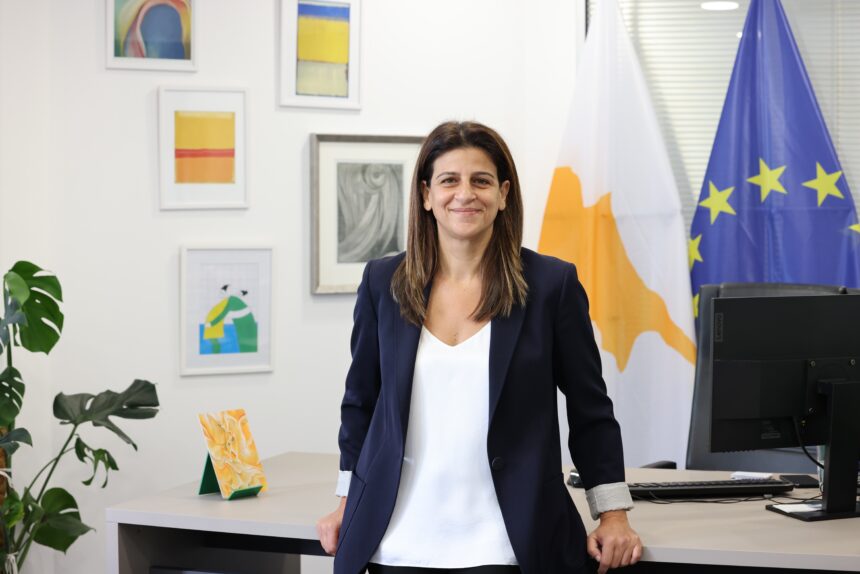
Gender equality commissioner Josie Christodoulou has raised alarm over the low level of female representation in election candidacies ahead of the 2026 parliamentary elections.
- Gender equality commissioner Josie Christodoulou has raised alarm over the low level of female representation in election candidacies ahead of the 2026 parliamentary elections.
In her recent statement, Christodoulou highlighted a troubling statistic: although women constitute 50 per cent of the population, they represent only 29.7 per cent of candidates on electoral ballots. This disparity underscores the ongoing challenge of achieving gender parity in political participation.
Addressing the issue, the commissioner remarked that balanced representation within the House of Representatives is crucial for ensuring that legislation reflects the diverse needs of society. “Equality between women and men is not a choice – it is a social imperative,” she stated, emphasising that this goal should be a collective responsibility.
Recent discussions with party leaders and women’s organisations have focused on the pressing need for concrete measures aimed at bolstering female participation in politics, particularly in winnable positions on party lists. Despite these initiatives, the current data reveals a persistent gap that falls short of societal expectations.
Christodoulou expressed hope that the upcoming elections would yield a more favourable outcome, leading to increased representation for women in the new parliament. This change is seen as vital for fostering a legislative body that accurately mirrors the composition and needs of the community.
The commissioner optimistically pointed to the potential impact of enhanced female representation on future policymaking, asserting that the inclusion of diverse voices is essential for effective governance. As the electoral process unfolds, the attention remains on how candidates will address these pressing concerns and what measures will be taken to ensure a more equitable political landscape.