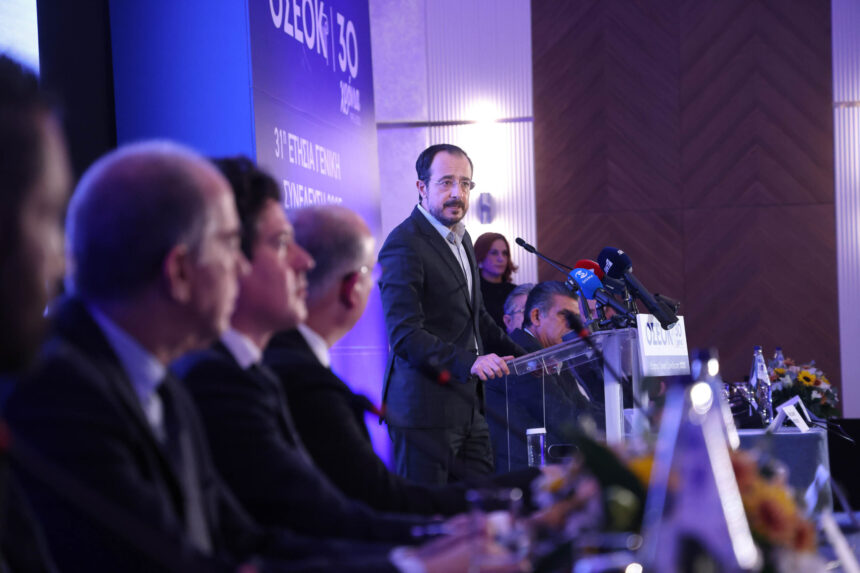
President Nikos Christodoulides has outlined a series of government initiatives aimed at supporting the construction sector and enhancing the broader economy. Speaking at the annual general assembly of the Federation of Building Contractors (Oseok) on Saturday, he emphasised the importance of reforms that will benefit both citizens and businesses.

Photo: cyprus-mail.com
In his address, Christodoulides highlighted the resilience of the Cypriot economy in the face of global uncertainties, stating, “Amid two wars and major geopolitical disruptions, Cyprus shows economic results that even large European states would envy.” He pointed to strong economic growth, a public debt reduced to below 60 per cent of GDP, and unemployment rates comparable to those of 2008.
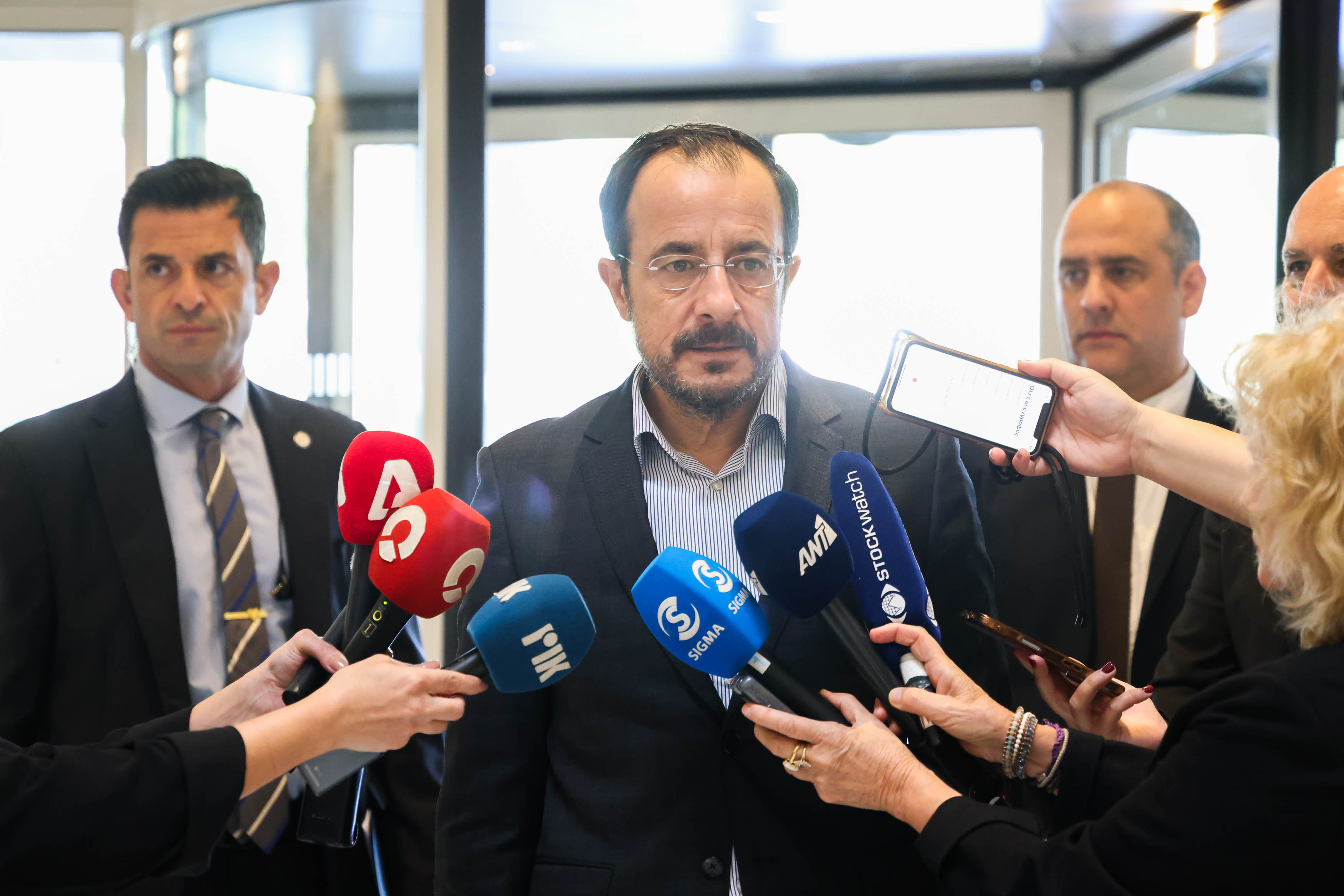
Photo: cyprus-mail.com
The president stressed the need for continuous and bold reforms as part of the government’s priorities. These reforms aim to modernise the state, ensuring it becomes more efficient and responsive to the needs of its citizens.
Construction sector: Streamlining Project Development
Christodoulides announced several measures intended to create a more transparent and expedient environment for project development and implementation. He mentioned a recent cabinet decision regarding the oversight of the attorney general, describing it as a significant step toward reforming the law office.
Additionally, the president highlighted a forthcoming tax transformation set to reach Parliament before the year’s end, which includes provisions aimed at bolstering Cypriot entrepreneurship. A notable change is the reduction of the defence tax from 17 per cent to 5 per cent, which is expected to stimulate growth in the sector.
Addressing Housing Challenges
Linking new licensing procedures to housing challenges, Christodoulides acknowledged that while Cyprus faces fewer difficulties compared to other European nations, there is still work to be done. He announced plans for pension reform to be introduced to Parliament in 2026, marking the last significant review of the system as having taken place in the 1980s.
Alongside pension reform, initiatives in education and other areas are underway to ensure the state meets current needs and benefits citizens. The government is keen on reducing bureaucracy and advancing the digitalisation of processes related to planning and construction permits.
Improving Application Processing Times
To enhance efficiency, single and two-family home applications will now be processed within 40 working days, while applications for apartment buildings of up to 20 units will take 80 days. Since the implementation of this new system, over 1,400 applications for single and two-family homes and approximately 260 for small apartment buildings have been processed within these timeframes.
Christodoulides acknowledged concerns raised by Oseok regarding delays in local authorities. He assured that improvements are being made, with more applications processed than submitted in many districts. The Interior Ministry is actively collaborating with local authorities to ensure these enhancements are maintained nationwide.
Land Registry and Digitalisation Initiatives
Further changes are on the horizon for the land registry, with new legislation set to clarify state land allocation and associated transfer fees. The digitalisation of forms and applications is expected to expedite processing times significantly.
Special teams will now examine applications for easement rights, and private valuers will assist with compulsory sales at auctions for co-owned properties. These steps reflect the government’s commitment to improving citizen services, enhancing project quality, and increasing efficiency for professionals in the construction sector.