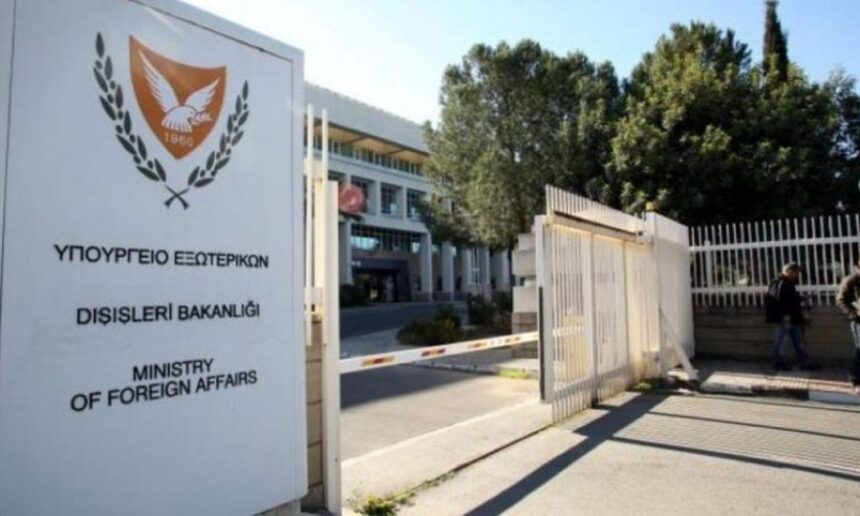
Cyprus has officially congratulated Austria, Kyrgyzstan, Portugal, Trinidad and Tobago, and Zimbabwe on their recent election as non-permanent members of the United Nations Security Council. This recognition comes as these nations prepare to take on responsibilities crucial to maintaining international peace and security.
The announcement was made by the Cypriot foreign ministry on Wednesday via a post on the social media platform X, where they extended their best wishes to the elected countries for a successful term. The ministry’s message emphasised the importance of their role within the UN framework.
“Congratulations to Austria, Kyrgyzstan, Portugal, Trinidad and Tobago and Zimbabwe on their election as non-permanent members of the UN Security Council. Every success in their work,” the ministry stated, highlighting the collaborative efforts necessary for global stability.
This election is particularly significant given the current geopolitical climate, where the UN Security Council’s decisions are pivotal in addressing international crises. Each of the newly elected countries brings unique perspectives and experiences that will contribute to the council’s deliberations.
Austria, known for its neutral stance in global conflicts, will likely advocate for diplomatic solutions, while Kyrgyzstan’s position may reflect the interests of Central Asian nations. Portugal, with its historical ties to various regions, may push for a focus on humanitarian issues, while Trinidad and Tobago could represent Caribbean interests. Zimbabwe’s involvement signals a commitment to African representation on the global stage.
The Council’s non-permanent members serve for two-year terms, and their election reflects a broader trend of shifting power dynamics in international relations. As these countries step into their roles, they will be tasked with navigating complex issues ranging from climate change to regional conflicts, all while fostering cooperation among diverse member states.
Cyprus’ gesture of support underscores its commitment to multilateralism and the UN’s mission, reinforcing the idea that smaller nations can play a significant role in global governance. As the world faces mounting challenges, the contributions of these newly elected members will be closely watched by the international community.