Technology plays a pivotal role in keeping us safe, as evidenced by the recent events in Cyprus. This summer, the island faced challenges, from the Iranian bombs targeting Tel Aviv visible from its shores in June to the devastating wildfires in July. Amidst rising tensions, Turkish military expansion in the region became a topic of concern, with President Nikos Christodoulides assuring the public that the national guard was “stronger than ever.” As 2025 approaches, discussions around security in Cyprus have never been more relevant.

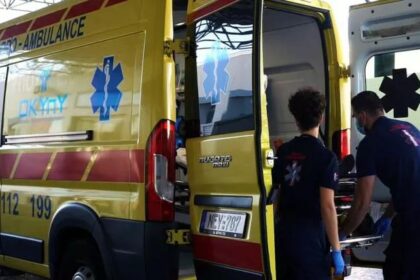
Photo: cyprus-mail.com
Whether residing in or visiting Cyprus, recent months have likely heightened concerns regarding safety. However, a measured approach to these worries is essential, as overreacting rarely leads to constructive outcomes. Instead, a closer examination of how Cyprus is addressing current and future security threats through innovative technological solutions is warranted.
Safety: Innovative Evacuation Strategies for Nicosia
In the wake of the Limassol wildfires, where entire villages were evacuated, discussions surrounding the handling of emergency measures unfolded publicly. Criticism emerged regarding confusion and delays in evacuating isolated homes and farms, with particular focus on the failure to activate a pre-existing early-warning system.
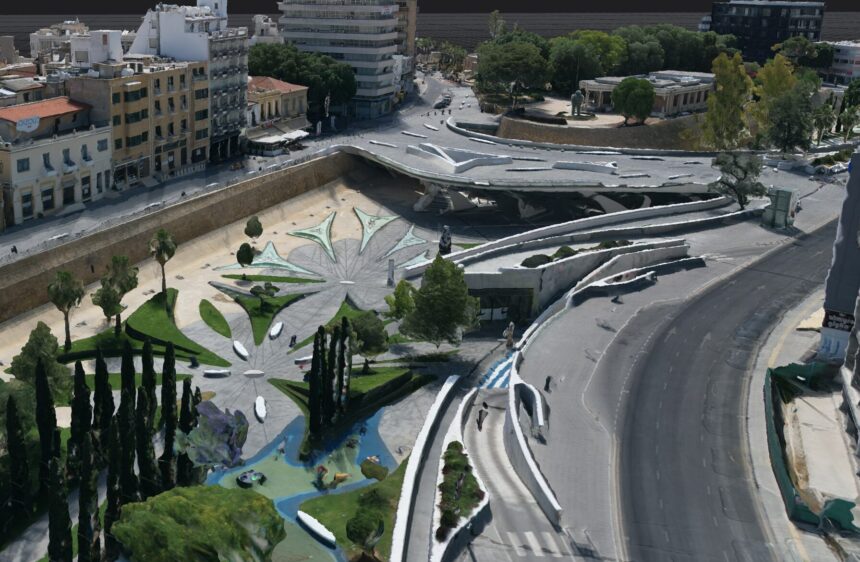
To improve future responses, innovative tech solutions are being explored. One notable initiative is an evacuation simulator being developed by Andreas Aristidou, a professor at the University of Cyprus (UCY), alongside his students Marios Stylianou and Marios Demetriou. This simulator is tailored for Nicosia’s historical old city, which is characterised by military buffer zones and medieval walls, limiting exit points.
“Nicosia has a lot of narrow or one-way streets that may create blockages in case of an emergency evacuation,” Aristidou explains, highlighting the unique challenges faced in the city. The goal of the simulator is to equip authorities with tools to study various evacuation scenarios and enhance preparedness.
Creating a Virtual Mirror: The iNicosia Project
The iNicosia project represents a significant advancement in disaster preparedness. This digital twin of the old city employs an accurate 3D model built on data from open street maps and Google. It provides a virtual representation of Nicosia, allowing simulations to calculate vehicle flow and assess the impact of different disaster scenarios.
Aristidou notes that while the simulator currently focuses on Nicosia, there is potential for application across the island, provided the necessary data is available. “A system needs to prioritise areas that are more sensitive to disasters,” he adds, indicating a strategic approach to risk management.
The Importance of Data and Collaboration
Collaboration with municipalities is crucial for the success of these initiatives. Aristidou emphasises that cooperation with the northern part of Nicosia would also be beneficial, as there is currently no 3D model of that area. “We cannot run drones there on our own, therefore we would need colleagues to do the same work as us, so we can then exchange knowledge,” he states, highlighting the need for a unified approach to safety.
While Cyprus has its challenges, it recently ranked 13th in the global finance magazine’s world safety ranking, which assessed 134 countries. This marks a decline from its 6th position in 2019, but the country still holds a ‘medium peace’ status, ranked 88 in the global peace ranking.
Researchers shared insights at the recent international risk and security conference 2025, which focused on disaster risk reduction and emergency preparedness. The innovative projects being developed in Cyprus exemplify how technology can play a vital role in enhancing safety and efficiency in crisis situations.