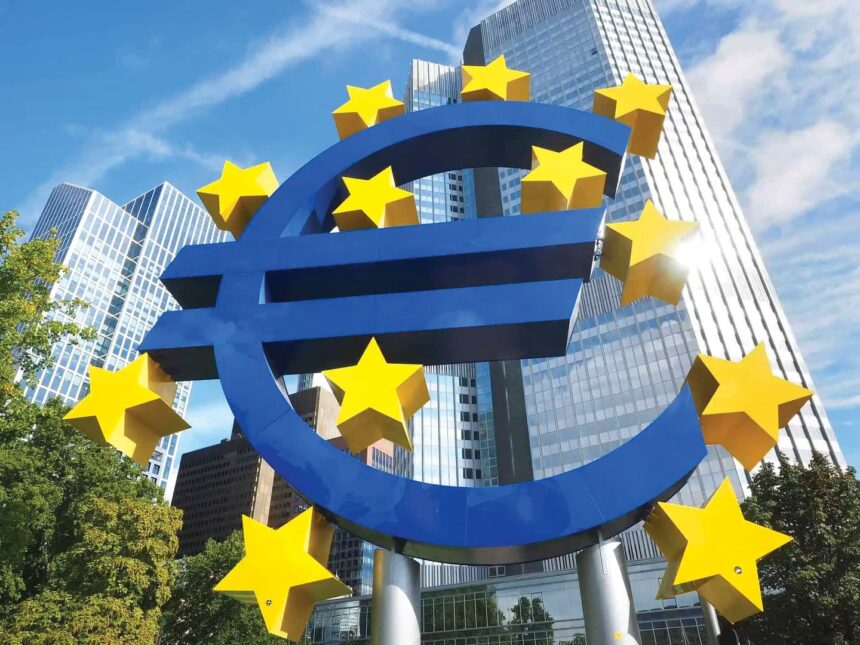
The digital euro is set to become a reality by 2029, as emphasised by Eurogroup president Kyriakos Pierrakakis during his recent address in Athens. Speaking at the Economist conference, he highlighted the urgent need for a more ambitious European strategy that focuses on technological advancement, energy integration, and economic competitiveness.
Calls for Accelerated Economic Integration
In his remarks, Pierrakakis underscored the necessity for Europe to accelerate its economic integration. He referenced reports from Enrico Letta and Mario Draghi that outline a common direction for the bloc, but stressed that the real challenge lies in the speed of implementation. “My good friends Enrico Letta and Mario Draghi set out these reports, and we all agreed on the objectives. The question is by when, how quickly and in what optimal way,” he stated.
Advancing Technological Initiatives
Pierrakakis pointed to ongoing discussions within the Eurogroup regarding market integration and the supervisory package as signs of progress. He proposed the establishment of a common European auction system for 5G and 6G radio spectrum, arguing it could generate substantial financial resources to support technology investments across the EU. “As we look for new political and fiscal resources, perhaps we should think more ambitiously by creating a more centralised auction system,” he suggested.
Artificial Intelligence: A Strategic Priority
A substantial portion of his speech focused on artificial intelligence (AI), which he described as one of Europe’s most pressing strategic challenges. Pierrakakis explained, “First and foremost, we must assess the implications of artificial intelligence.” He noted the dual nature of the challenge, likening it to both a race for speed and an arms race. He emphasised that Europe’s approach to AI must be cohesive rather than fragmented, demanding significant investments to tackle these challenges effectively.
Digital Euro as a Strategic Goal
Pierrakakis reiterated that the digital euro is a significant strategic objective for the EU, affirming, “There is some movement, but we need much more progress on many fronts.” He expressed confidence in Europe’s ability to advance despite geopolitical and economic pressures, asserting that the political will exists to make this vision a reality.
Energy Policy and Economic Measures
Turning to energy policy, he called for faster and more decisive actions at the European level. He referenced an International Monetary Fund report indicating that coordinated European measures had significantly mitigated the economic impact of the energy crisis. “If we take energy as an example, where we want to see significant progress, I would point to an IMF report showing that the impact of the crisis was 12 per cent lower than it would have been without the measures adopted in Europe,” Pierrakakis noted.
Financing Innovation within Europe
Pierrakakis also spoke about the importance of a more robust financing framework for innovation. He highlighted the proposed Savings and Investments Union as critical for enabling innovative businesses to secure funding within Europe. “This is the most important priority at the moment because someone must be able to finance these investments, for example a start-up,” he remarked, advocating for improved access to financing mechanisms for entrepreneurs across the continent.
Building Resilience and Sovereignty
In his closing remarks, Pierrakakis emphasised the need for Europe to develop a mature understanding of sovereignty and resilience in a volatile world. He stated that defining sovereignty is crucial for establishing a coherent European strategy. “You need to be able to define what sovereignty means, and therefore you need a European strategy for it,” he explained, asserting that resilience should be seen as the ability to enhance capabilities across various sectors rather than isolation.