emergency warnings — emergency warnings — The government’s newly launched emergency warning system is designed to reach residents without smartphones, but concerns have emerged regarding its effectiveness, particularly for elderly individuals in remote areas. As part of the rollout, authorities have emphasised the importance of traditional sirens and direct SMS messaging to ensure no one is left out during emergencies.
Emergency warnings: Concerns Over Accessibility
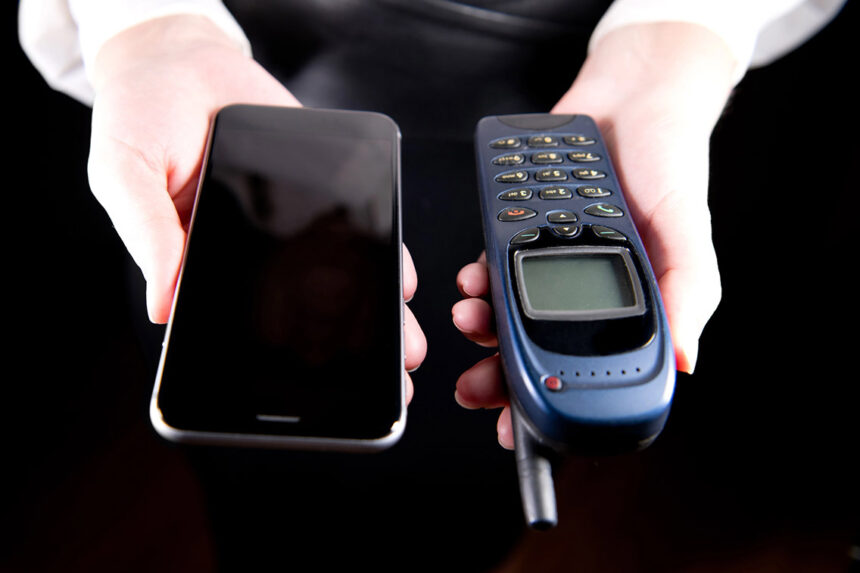
Critics of the CY Alert system have raised questions about how effectively it will reach older populations who rely on basic mobile devices. The research ministry has assured the public that the system will function on older compatible devices that utilise Cell Broadcast technology, although it primarily targets smartphones operating on Android and iOS.
Complementary Measures for Emergency Alerts
In response to the scrutiny, officials clarified that the emergency platform is designed as part of a multi-layered approach. “The Cell Broadcast technology already covers a fairly large percentage of the population,” ministry representatives stated. However, they stressed that traditional methods like sirens and direct SMS will remain crucial, particularly for those not connected to the new alert system.
How the CY Alert System Works
Formally presented by the interior ministry and deputy research ministry, the CY Alert system is Cyprus’ first nationwide real-time emergency warning platform. It operates by transmitting alerts directly from mobile phone antennas to devices within a specific geographical area, requiring neither internet access nor separate applications.
Authorities have indicated that alerts will bypass silent or mute settings, ensuring notifications are received regardless of the mobile provider or the user’s SIM card origination. Alerts will be delivered in both Greek and English, providing essential information about emergencies along with necessary evacuation or safety instructions.
Upcoming Testing and Support
The system is set to become fully operational next week, with public testing exercises scheduled over the next three weeks. From June 2 to June 15, residents can expect to receive test notifications, which will include distinctive warning sounds and vibrations to ensure visibility.
Moreover, a dedicated support line (1450) has been established to offer technical guidance and assistance regarding device settings for receiving alerts. This initiative follows past criticisms of authorities after last year’s Limassol fires, where some residents reported delays or incomplete notifications during emergency alerts.