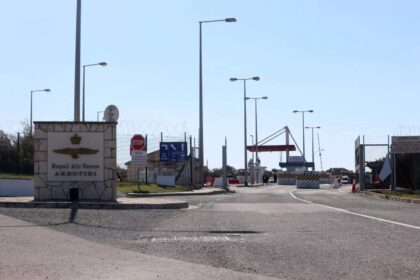
Jordan has firmly denied any evacuation order for Aqaba airport or port, despite a recent communication from the US embassy in Amman indicating potential threats to these key facilities.
- Jordan has firmly denied any evacuation order for Aqaba airport or port, despite a recent communication from the US embassy in Amman indicating potential threats to these key facilities.
Government spokesman Mohammad al-Momani stated that no credible threats had been identified, assuring the public that operations at both the airport and port remain unaffected. He emphasised that Jordanian authorities had not recorded any danger in recent hours, aiming to calm fears stirred by the embassy’s advisory.
The US embassy had warned American citizens to avoid travelling to Aqaba’s airport and port, urging them to heed the advice of local security forces. This advisory followed increased tensions in the region, particularly after reports of an Iranian attack that resulted in the deaths of two US military personnel and left another missing in Jordan.
In a series of concerning developments, Jordan reported intercepting Iranian missiles targeting its territory in recent days. The situation escalated further when Kuwait announced a fire at a power and desalination plant, attributed to a second Iranian assault, amplifying fears of wider regional instability.
Investors and analysts are closely monitoring these developments, particularly as they may influence geopolitical risk perceptions and market movements in the Middle East. The regional dynamics, especially involving Iran and US military presence, continue to shape sentiment among investors.
While the immediate implications for Jordan’s economy appear limited, the potential for increased volatility in the region could impact investments, especially in tourism and trade through Aqaba, which serves as a crucial logistics hub. Market participants will likely remain vigilant, assessing both the geopolitical landscape and its repercussions on regional economic activities.