EU research is transforming textile waste into new quality products, aiming to revolutionise the recycling process.
- EU research is transforming textile waste into new quality products, aiming to revolutionise the recycling process.
Revolutionary Machinery in Belgium
In a factory located in Waregem, north-west Belgium, a groundbreaking piece of machinery is changing the landscape of textile recycling. This unique machine, accessible only by fingerprint to trusted staff, meticulously transforms old clothing and textiles. Stretching an impressive 170 metres, it gently untwists woven and knitted fibres, preparing them for reuse. This innovation is part of a four-year EU-funded research initiative known as tExtended, which seeks to reshape the future of textile recycling.
The Scale of Textile Waste
The need for effective textile recycling is underscored by staggering statistics. Each year, around 7 million tonnes of textile waste are discarded in European landfills or incinerated, as reported by the European Environment Agency. This significant amount highlights the urgency of finding sustainable solutions to manage textile waste.
Soft Mechanical Recycling: A Game Changer
The technology employed in this initiative is referred to as “soft mechanical recycling.” Unlike traditional methods that shred or tear fabric, this innovative process carefully unravels materials, preserving the strength and length of the fibres. According to Koen De Ruyck, general manager of PURFI Manufacturing, “Most recycling is actually downcycling. You start with something beautiful and end up with something very basic. Upcycling is less than 1% at the moment, and until that increases, we won’t bring the total amount of waste down.”
Collaborative Efforts Across Europe
The tExtended project, which runs until November 2026, unites research and industry partners from various countries, including Finland, Sweden, Belgium, France, Ireland, Latvia, Slovakia, Spain, Portugal, and Switzerland. Their collective aim is to reduce textile waste by up to 80%. This ambitious target reflects the immense environmental impact of textile production and the EU’s commitment to making sustainable products the norm.
Shifting Attitudes Towards Textile Waste
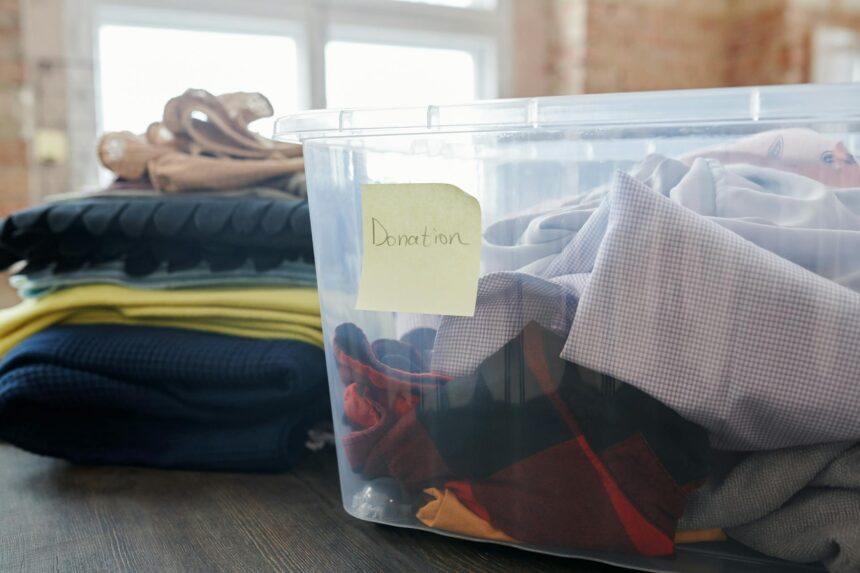
Since January 2025, EU countries have begun implementing separate collections for textile waste, responding to new regulations. This change means that old clothes and fabrics can no longer be disposed of with regular rubbish. The goal is to facilitate a second life for garments—whether through reuse, repair, or recycling—and encourage fashion brands to create products that are not only durable but also easy to recycle. However, for many in the textile sector, this shift represents a new challenge.
Blueprint for Sustainable Textile Production
Dr Pirjo Heikkilä, principal scientist and project manager at the VTT Technical Research Centre of Finland, is coordinating the tExtended initiative. She acknowledges the current lack of information regarding how various types of textile waste can effectively replace raw materials in textile production. “There’s very little information at the moment about how different kinds of textile waste can replace raw materials in textile production,” she noted. The tExtended team is formulating a blueprint that will guide producers on how to sort, process, and best reuse different types of textile waste. This effort aligns with the EU Strategy for Sustainable and Circular Textiles, which aims to curb overproduction and promote repair, reuse, and recycling as mainstream practices.
Influencing Consumer Behaviour
Dr Heikkilä’s work has also impacted her personal shopping habits. “Nowadays I think very carefully about what I buy. I choose second-hand clothes, and if I buy new, I check where and how they were made,” she shared. She emphasised the crucial role of the industry in creating sustainable products, indicating that consumer awareness alone is not enough to drive change.
Testing Recycled Fibres for Quality
The trials conducted by PURFI are focused on evaluating the quality and performance of recycled fibres before they are spun into yarn for clothing and bed linen. Pilot runs have commenced, producing recycled denim from an equal mix of production waste and old garments. The long-term objective is to achieve denim made entirely from pure recycled cotton, a significant step towards sustainable textile production.
Advancements in Towel Production
In Portugal, JF Almeida, a prominent towel manufacturer, is also exploring the use of recycled materials in its spinning mills. The company is striving to find the optimal blend of recycled and virgin fibres. Having already been involved in recycling textile waste from its own operations, JF Almeida is eager to enhance its recycling capabilities with the assistance of international partners. “Sustainability is part of our DNA,” stated Liliana Miranda from the company’s commercial department. “Every day, customers ask us about recycled products. For us, this project is a chance to create new products with less impact on the planet and to open up new markets.”
Reducing Dependence on Imported Raw Materials
The tExtended initiative aims to curtail incineration and bolster recycling efforts, thereby reducing Europe’s reliance on imported raw materials. This shift not only promotes environmental sustainability but also enhances the competitiveness of the textile sector on a global scale. Dr Heikkilä believes there is a significant opportunity for Europe to establish itself as a leader in producing sustainable, high-quality textile products.
A Blueprint for Future Recycling Initiatives
The strides made by initiatives like tExtended demonstrate how innovation and collaboration can transform waste into valuable resources. This project offers a model for textile recycling that could influence practices beyond Europe, paving the way for a more sustainable future in the textile industry.