european energy — Cyprus will take on a pivotal role in reshaping European energy as it assumes the Presidency of the Council of the EU in the first half of 2026. This leadership comes at a critical juncture when Europe faces significant energy challenges, including the slow transition to a decarbonised economy, high energy prices, and the need for increased investment in both clean energy and defence.
European energy: Key Priorities for Cyprus’ Presidency
In preparation for its presidency, Cyprus, alongside the Trans-European Policy Studies Association (TEPSA) and the Cyprus Centre for European and International Affairs, hosted a conference in Nicosia. This event focused on the aims and priorities that will shape the incoming presidency, particularly in relation to energy issues affecting both Cyprus and Europe.
Progress in Energy Development
Cyprus has made notable strides in energy development:
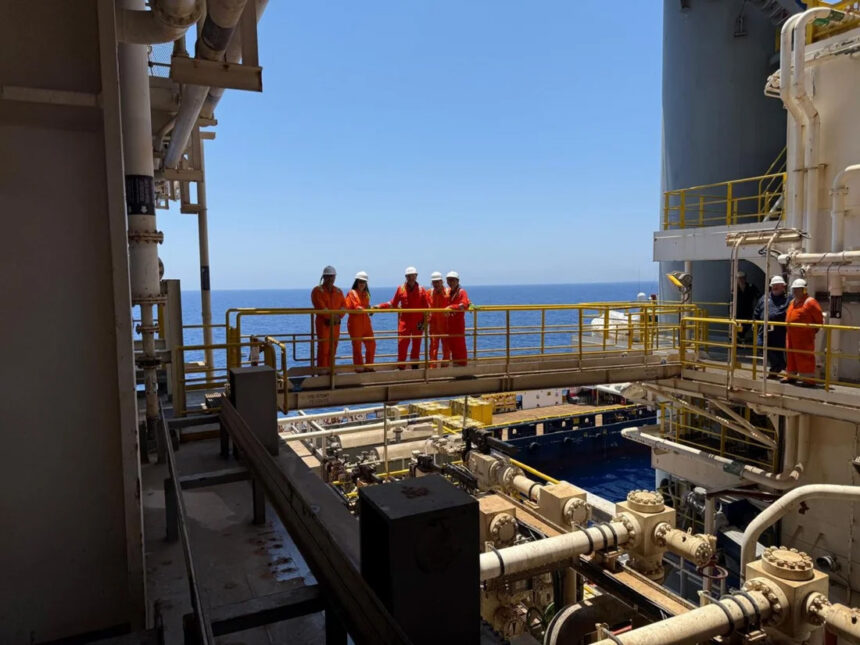
- The nation is nearing gas exports to Egypt from the Cronos and Aphrodite gasfields.
- In July, ExxonMobil reported a discovery of approximately 142 billion cubic meters (bcm) of gas in the Pegasus-1 well, adding to the 225-255 bcm estimated in earlier finds.
- Renewable energy generation reached 23% in 2024, demonstrating a commitment to sustainable energy sources.
- On October 1, Cyprus launched a competitive electricity market in line with EU standards.
- The rooftop solar initiative launched in 2024 has seen significant success.
Challenges Ahead
Despite these advancements, challenges remain:
- Electricity prices and carbon emissions continue to be a pressing concern.
- There is a pressing need for improved battery storage and upgrades to the electricity grid.
- Renewable electricity curtailment rose to 29% in 2024, posing a challenge to energy efficiency.
- The Vasilikos LNG import project, crucial for lowering electricity costs, is facing delays.
- Progress is also needed on the Great Sea Interconnector, which aims to link Cyprus, Greece, and Israel through an electricity cable.
Exploration and Developments in Cyprus’ Exclusive Economic Zone
Exploration in Cyprus’ Exclusive Economic Zone (EEZ) commenced in 2008, with the Aphrodite gasfield being the first significant discovery in 2011. To date, six discoveries have been made, with estimated reserves between 480-580 bcm, sufficient to replace Russian gas supplies to the EU for over 15 years.
Geopolitical Tensions
Cyprus faces geopolitical challenges, notably from Turkey, which claims its continental shelf extends into waters around the island. Turkey’s maritime delimitation approach does not recognise the rights of islands to possess EEZs. While Turkey has previously drilled in Cyprus’ blocks 6 and 7 without success, its claims continue to complicate the situation.
Recent political developments, including the election of Tufan Erhurman as the Turkish Cypriot leader, are likely to bring these issues to the forefront during Cyprus’ presidency.
Recent Agreements and Future Prospects
Fresh developments include the signing of agreements for the Cronos gasfield and its export to Egypt, with a Final Investment Decision (FID) expected by the end of 2025. Cyprus anticipates becoming a gas exporter by 2027, a significant milestone following years of exploration since the discovery of the Aphrodite gasfield.
Egypt also stands to benefit from these developments, as it has seen a 43% decline in gas production since 2021, making it reliant on imports of expensive LNG and gas from Israel.
Additionally, the Aphrodite gasfield is being developed under a Memorandum of Understanding (MoU) signed with Egypt, with plans for gas production and export to commence in 2031.
Complex EEZ Delimitation Issues
The East Mediterranean is marked by overlapping and conflicting EEZ claims, chiefly due to Turkey’s refusal to recognise the UN Convention on the Law of the Sea (Unclos). Turkey’s claims, based on its unique interpretation of maritime rights, disregard the rights of islands like Cyprus.
Recently, Greece’s Prime Minister Kyriakos Mitsotakis proposed a five-party forum aimed at addressing maritime zone delimitations involving Greece, Egypt, Libya, Turkey, and Cyprus. Turkish Foreign Minister Hakan Fidan expressed a willingness to resolve differences through dialogue.
With increased engagement from the United States, there is potential for progress in resolving these long-standing disputes, provided all parties commit to finding solutions.
Looking Ahead
The upcoming presidency of Cyprus is set against a backdrop of complex energy and geopolitical challenges. As Europe grapples with its energy transition, Cyprus is positioned to play a crucial role in shaping EU energy policy, advocating for sustainable practices while navigating regional tensions.
The developments in the energy sector, alongside the ongoing geopolitical dynamics, underscore the significance of Cyprus’ leadership during this period of uncertainty.