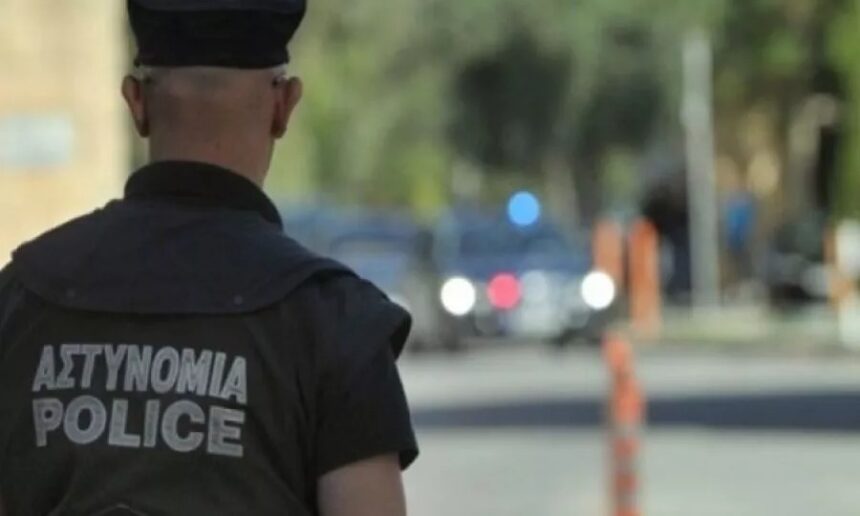
A police officer has been remanded for allegedly giving his mobile phone to a suspect in the 17 January Larnaca shooting case. This incident has raised serious questions about police conduct and integrity.
Larnaca shooting: Details of the Allegations
The officer, who has not been named, was arrested by the Police Internal Affairs unit after reportedly handing over his personal phone to a 48-year-old man. This man is alleged to be the head of a criminal group accused of demanding protection money from a businessman in central Larnaca.
The shooting incident on 17 January has been a focal point for law enforcement, with this suspect being one of five men referred for direct trial before the Larnaca Permanent Criminal Court. Following their referral, the suspects were transferred to Central Prisons as remand prisoners.
Charges Faced by the Officer
The police officer faces nine serious charges, including:
- Abuse of power
- Fraud
- Breach of trust by a public official
- Transporting a mobile phone to police cells
- Neglect of duty
- Breach of official secrecy
- Bribery of a public official
- Illicit acquisition of property benefit
These charges reflect a significant breach of the responsibilities expected from a law enforcement officer, particularly in relation to the treatment of detainees.
Incident Timeline and Context
According to information from philenews, the officer allegedly provided his phone to the detainee multiple times, including incidents that occurred last Saturday while he was on guard duty at the Larnaca Police Station cells. During this time, the detainee was able to make several calls.
Authorities became aware of the situation after receiving information regarding the officer’s conduct. This prompted a review of CCTV footage from the police station, leading to the officer’s subsequent arrest and suspension from duty. It is worth noting that the officer had previously faced suspension for disciplinary offences.
Court Proceedings and Defence Arguments
The officer’s remand took place during a closed-door hearing, which was requested by the prosecution. This request was based on a legal article that aims to protect the official duties of Service members. Defence lawyer Paris Loizou objected to this closed hearing, arguing that it should be open to the public. He also raised concerns about the police leaking information regarding the officer ahead of the hearing, suggesting that this was an attempt to create a climate of fear.
Despite the defence’s objections, the court accepted the prosecution’s request for a closed-door procedure to safeguard the integrity of the Service’s duties. The court ultimately denied the defence’s request to release the officer from detention.
Community and Institutional Reactions
This incident has stirred significant concern within the community and among law enforcement agencies. The actions of the officer, if proven true, could undermine public trust in the police force, which is crucial for effective policing and community safety.
As the case unfolds, it will be critical to assess not only the actions of the individual officer but also the systemic issues that may have allowed such conduct to occur. The police force is expected to maintain a standard of integrity and accountability, and lapses in this regard can have far-reaching implications.
Next Steps in the Legal Process
As the officer awaits trial, the case will undoubtedly attract further scrutiny. Legal experts and the public will be closely watching to see how the courts handle the charges against him, particularly given the nature of the allegations and the potential impact on public confidence in the police.
The Larnaca shooting case continues to evolve, and the outcomes of both the shooting incident and the officer’s alleged misconduct will be pivotal in shaping future discussions around police accountability and reform.