The EU is making significant strides to end tax breaks for the fast fashion industry, a sector notorious for its environmental impact and unsustainable practices. Did you know that producing one cotton t-shirt requires around 2,700 litres of water, equivalent to what one person drinks in three years? The fast fashion model, characterised by low-cost, trend-driven clothing, results in approximately 12kg of textile waste per person in Europe each year, with a mere one per cent of that waste being recycled into new garments.
- Albert Navarro García is a Professor of Financial and Tax Law at the University of Girona. This article is republished from The Conversation under a Creative Commons licence.
Tax Reforms Targeting Fast Fashion
The European Commission is stepping up its efforts to rein in the fast fashion sector by proposing a processing fee of €2 for every shipment entering the EU. This new measure aims to eliminate the current €150 import tariff exemption, ensuring that even small orders contribute to customs duties. The goal is clear: prevent non-EU sellers from circumventing regulations by splitting orders and intensify scrutiny on products often produced under questionable environmental and labour conditions.
Impact of Existing VAT Regulations
Since 2021, all non-EU imports have been subject to VAT, a move that seeks to level the playing field for local businesses competing against major international platforms like Shein and Temu. In 2024, it’s estimated that 91 per cent of all e-commerce shipments valued at less than €150 will originate from China, making these tax measures crucial for promoting sustainability.
France Sets a Precedent with Fast Fashion Tax
France has taken a pioneering step by introducing a tax specifically aimed at the fast fashion industry. In June 2025, the French Senate approved a law that imposes a progressive penalty system on fast fashion garments. Ultra-fast fashion brands will face an extra €5 tax per item, with this figure set to double to €10 by 2030. This tax is designed to reflect the environmental impact of each company’s practices, ensuring that the cost of producing low-quality, disposable clothing is internalised.
Encouraging Sustainable Practices
The French government’s initiative sends a strong message: those responsible for creating cheap garments that barely last a season must contribute to the ecological damage they cause. In contrast, brands that prioritise durability and recyclability stand to benefit from lower taxes. This approach is analogous to existing environmental taxes on fuels and single-use plastics, reinforcing the principle that the true cost of production includes its environmental toll.
Broader European Trends Towards Sustainability
Other countries within Europe are also exploring innovative ways to hold the fast fashion industry accountable. In 2019, a British Parliament committee proposed a one-penny tax on every garment sold to support textile collection and recycling efforts. Although the measure wasn’t implemented, it sparked discussions around Extended Producer Responsibility (EPR), advocating for brands to pay according to the waste they generate. The principle is simple: lower-quality products incur higher costs, while more sustainable options enjoy reduced financial burdens.
Repair Incentives Gaining Momentum
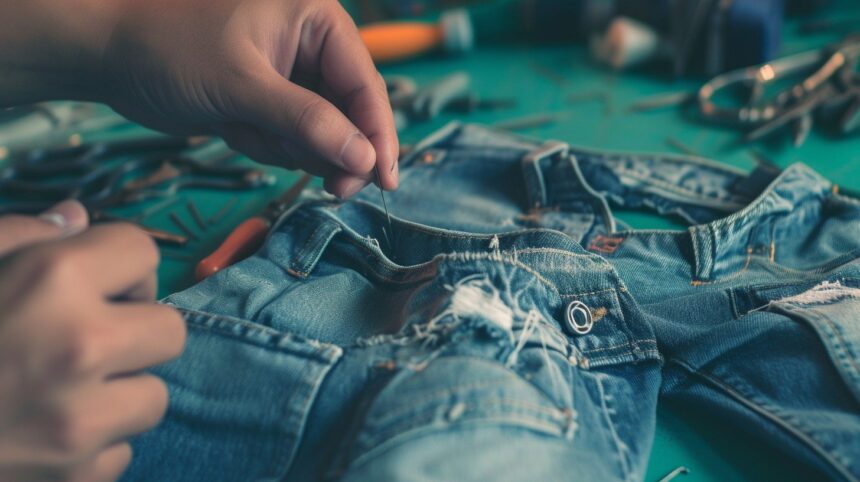
Sweden and the Netherlands are leading the charge with initiatives that incentivise repairs. Sweden has reduced VAT on clothing and footwear repairs from 25 per cent to 12 per cent, while the Netherlands offers a reduced rate of nine per cent for services like sewing and zip replacement. From 2025, France will also introduce a reduced VAT rate of 5.5 per cent on textile and footwear repairs, complemented by a “repair voucher” that subsidises costs for consumers who choose to repair items at certified workshops.
Spain’s Commitment to Sustainable Fashion
Spain is also taking steps to address the fast fashion crisis. Law 7/2022 mandates that from 2025, textile brands must finance their own collection and recycling systems, alongside providing clear information on the durability and repairability of their products. This shift is significant, as it transfers the financial responsibility for waste management from local authorities and taxpayers to the companies generating the waste.
The Challenge of Implementing Taxation
Despite these advancements, the challenge of implementing effective taxation remains. While countries like France, Sweden, and the Netherlands have adopted measures, Spain still has work to do in this area. The positive impact of these tax mechanisms is already becoming apparent; the removal of VAT exemptions has prompted international platforms to alter their pricing and logistics strategies, fostering a more equitable market.
Changing Consumer Behaviour
Reduced VAT on repairs is breathing new life into local workshops, benefiting small businesses and gradually shifting consumer habits. New taxes, particularly those in France, will make disposable clothing considerably more expensive, compelling large brands to improve their design practices, traceability, and material sourcing.
A Sustainable Future for Fashion
Through these combined efforts of taxation and regulation, the landscape of the textile industry is set to change. The goal is clear: to shift consumer preferences away from cheap, disposable items towards more sustainable practices such as repairing, reusing, or investing in quality clothing. If these measures are successfully implemented, Europe could emerge as a global leader in sustainability, redefining the future of the fast fashion industry.
Albert Navarro García is a Professor of Financial and Tax Law at the University of Girona. This article is republished from The Conversation under a Creative Commons licence.