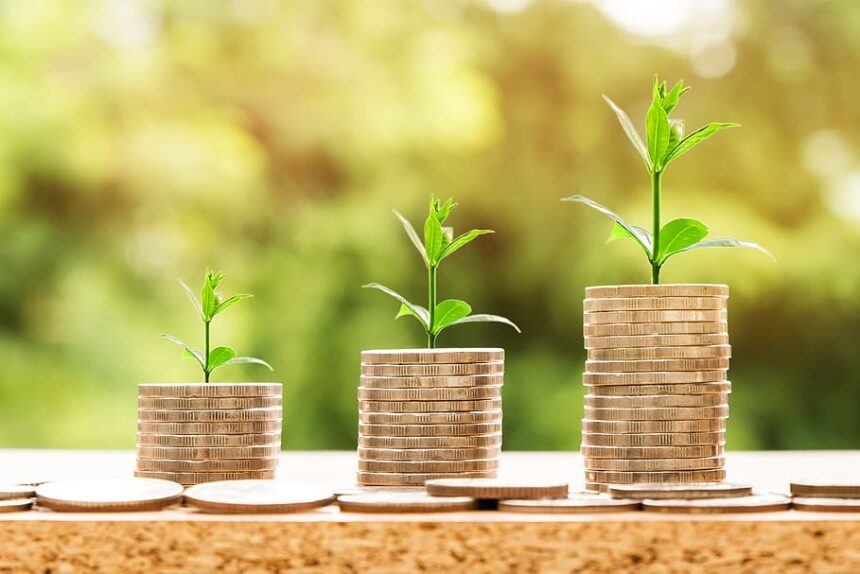
Employment in the European Union’s green economy has grown significantly, reaching 5.8 million full-time equivalents by 2023, according to Eurostat. This impressive growth, averaging 6 per cent per year since 2014, reflects an ongoing transition towards sustainable industries across member states.
Green economy: Construction Sector Leads the Charge
The construction sector stands out as a key driver of this growth, witnessing an increase from 0.7 million to 1.6 million full-time equivalents between 2014 and 2023. This remarkable 11 per cent average annual growth rate highlights the sector’s vital role in building energy-efficient structures, developing renewable energy plants, and executing energetic refurbishment projects.
Advancements in Agriculture and Green Manufacturing
While construction takes the lead, the agriculture, forestry, and fishing sectors have also made notable contributions, reaching 0.7 million full-time equivalents in 2023. This area recorded an annual growth rate of 5 per cent over the nine-year period, underscoring its importance in the green economy.
In the realm of manufacturing, green initiatives have flourished, with employment rising from 0.7 million to 1.0 million full-time equivalents. This 5 per cent annual growth rate signifies an expanding focus on sustainable production methods.
Renewable Energy Employment on the Rise
Focusing on specific environmental purposes, employment related to energy from renewables has achieved the most significant increase. Figures rose dramatically from 0.4 million to 0.8 million full-time equivalents, reflecting a staggering 79 per cent growth over the period. This surge indicates a robust shift towards renewable energy sources as a cornerstone of the European labour market.
Protecting Natural Resources
Following closely is the sector dedicated to the protection of soil, surface, and groundwater, which has grown from 0.4 million to 0.7 million full-time equivalents. This 60 per cent increase points to heightened awareness and action regarding environmental preservation.
Improvements in Air Quality and Waste Management
Employment growth can also be seen in air and climate-related roles, with a 48 per cent increase, alongside materials recovery and savings, which rose by 47 per cent from 2014 to 2023. Wastewater management has expanded by 38 per cent, now employing 0.5 million individuals in this critical area.
Meanwhile, the waste management sector has witnessed a 30 per cent increase over the decade, culminating in 0.9 million full-time equivalents by 2023. This sector now accounts for 16 per cent of total environmental employment in the EU, illustrating the growing importance of effective waste management strategies.
A Sustainable Future in the EU
These figures not only highlight the rapid development of sustainable industries but also reflect a broader commitment to a greener European labour market. As the EU continues to invest in these sectors, the trend towards increased employment in green jobs is poised to continue, shaping a more sustainable future for all member states.