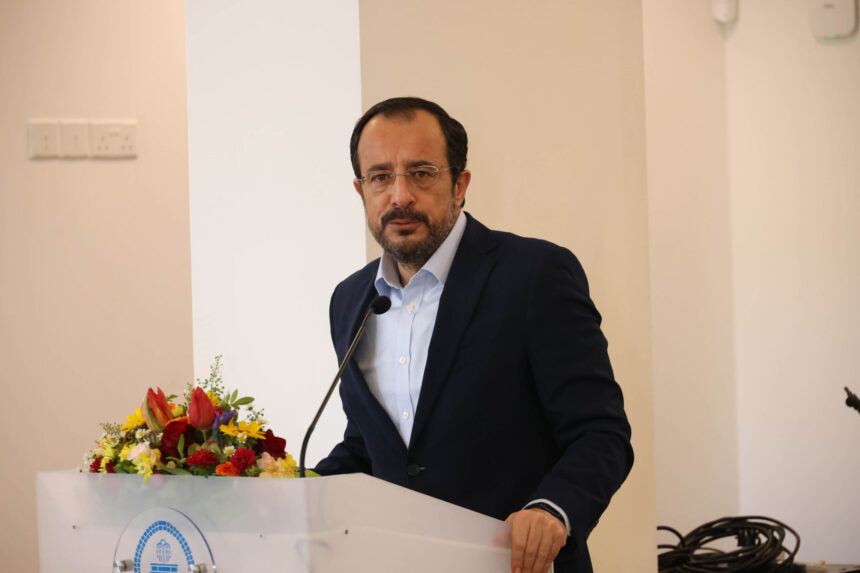
The energy sector is a “key pillar” of Cyprus’ foreign policy, as emphasised by President Nikos Christodoulides during a conference on Saturday. This statement follows a significant ‘3+1’ meeting involving the energy ministers of Cyprus, Greece, Israel, and the United States, which took place on Friday.
- Papastavrou has voiced concerns about the “constantly conflicting messages” from the Cypriot side, indicating the complexities involved in reaching a consensus on this critical energy initiative.
Christodoulides highlighted the importance of aligning interests not only with neighbouring countries but also with influential global players. He remarked, “The energy sector is one such sector in which we can cooperate closely. It is a sector which is also a key pillar of our foreign policy, and in this direction, in the coming weeks, we will have new developments to announce.”
Energy sector: Strategies for Regional Cooperation
Addressing internal challenges, the government aims to leverage the energy sector to improve electricity supply and foster regional unity. The President noted the significance of developing the eastern Mediterranean as an alternative energy corridor to Europe.
During the meeting in Athens, Cypriot Energy Minister George Papanastasiou, along with his counterparts from Greece, Israel, and the US, issued a joint statement endorsing broader regional interconnectivity projects, which encompass both current initiatives and future undertakings. The statement further outlined plans to align these projects with the proposed ‘India-Middle East-Europe Economic Corridor’ (Imec).
Commitment to Diversifying Energy Supplies
The ministers also agreed to utilise the ‘3+1’ format to enhance regional energy supply diversification, aiming to minimise reliance on less cooperative entities while boosting connections among aligned regional partners. Plans are already underway for a follow-up meeting in Washington DC between April and June next year.
A focal point of this collaboration is the Great Sea Interconnector, a prospective undersea cable designed to link the energy grids of Cyprus, Greece, and Israel. Papanastasiou has previously identified this project as a “priority” for the Cypriot government, stating it would eliminate the country’s energy isolation and enhance supply security, competition among energy producers, and create new export opportunities.
Challenges in Project Implementation
Despite its promising prospects, the future of the Great Sea Interconnector faces uncertainty. Ongoing discussions between Cyprus and Greece aim to resolve existing differences regarding the project. At the heart of the disagreement lies the Cypriot government’s initial commitment to make five annual payments of €25 million to Greece’s independent transmission system operator, Admie, before the interconnector becomes operational. These payments are intended to help finance the project, ensuring Admie receives a stable income to support its investments.
The Cypriot government has withheld these funds, citing insufficient progress on the project and differing opinions on funding sources. In September, Papanastasiou affirmed that Cyprus would release the first €25 million instalment once the project is “implemented in its entirety,” asserting that merely constructing cables would not suffice.
Political Tensions Surface
The rift between the two governments has deepened, with Cypriot Finance Minister Makis Keravnos accusing Papastavrou of disseminating “fake news” regarding the project’s viability, prompting Greek Foreign Minister Giorgos Gerapetritis to seek clarity on Cyprus’ stance. Keravnos’ remarks followed Papastavrou’s claims about studies suggesting the project’s unsustainability, which he asserted were commissioned by Papanastasiou and properly submitted to the Greek energy ministry.
Papastavrou has voiced concerns about the “constantly conflicting messages” from the Cypriot side, indicating the complexities involved in reaching a consensus on this critical energy initiative.