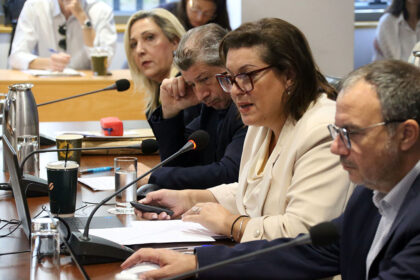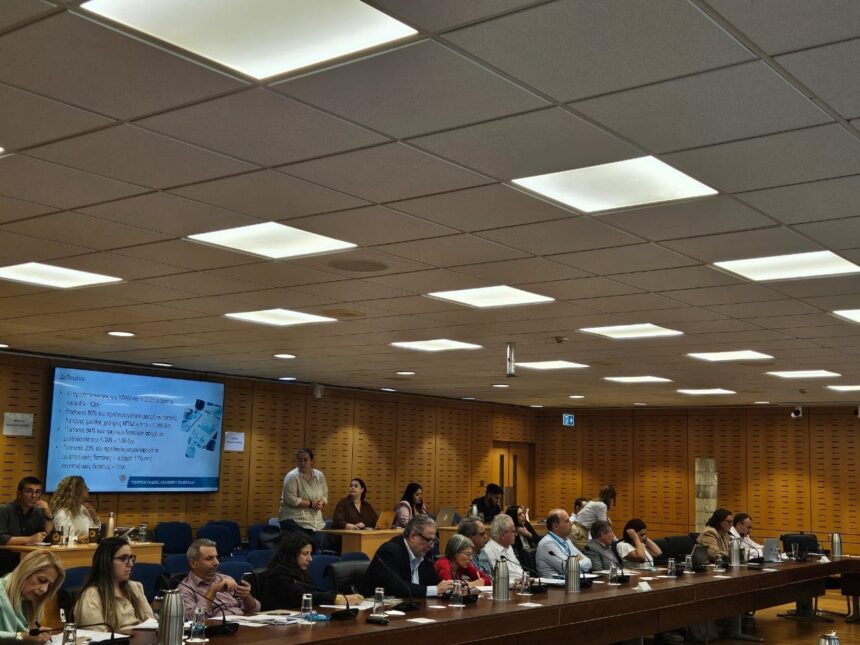
Education Minister Athena Michaelidou has made it clear that we must all take responsibility for teacher evaluations as she pushes for a reform bill to be sent to the parliamentary plenum. This initiative is part of a broader effort to modernise the education system, which she discussed while presenting the 2026 budget to the House finance committee.
As part of her address, Michaelidou highlighted that the education budget for 2026 will see a 4 per cent increase, bringing the total to €1.611 billion. Notably, the development budget is set to rise by 11 per cent, now accounting for one-fifth of the total budget. This financial injection aims to enhance the educational landscape significantly.
“Our aim is a smooth transition to a modern human-centred school that evolves, cultivates creativity, and strengthens the mental resilience of our children,” she explained, underscoring the importance of integrating digital tools into education.
The budget allocation includes €326 million dedicated to development projects, focusing on improving support systems for special education, upgrading all-day schools and preschools, and facilitating a digital transition. Michaelidou stressed that every euro invested in education must deliver tangible social and educational benefits, leading to enhanced learning conditions for all students.
On the topic of teacher evaluations, Michaelidou argued against reverting to outdated practices, stating that any further changes to the current proposal would set progress back to the 1970s. “We must make a start, take a step forward,” she urged Parliament, advocating for democratic processes to allow for necessary discussions and amendments.
Looking ahead, the financial implications of the new evaluation system are projected to reach €12.7 million by 2027, a commitment to ensuring that teachers are assessed in a manner that reflects their contributions to student learning and development.
Addressing concerns regarding school safety, the Minister revealed that the ministry has established committees to tackle issues of vandalism in schools. Additionally, a partnership with the drug squad aims to address drug-related concerns within educational settings. The actions taken so far have already shown positive results.
On the matter of violence in schools, Michaelidou noted the installation of CCTV cameras as a deterrent, although the current legislation restricts their placement outside school premises. Her commitment to student safety is further reflected in her assurance that all schools will be equipped with air-conditioning by the end of 2026, despite challenges arising from staff shortages, particularly among electricians.
In terms of special education, the Minister announced that a bill aimed at serving the best interests of children with special needs would soon be proposed. This initiative aligns with the ministry’s vision for an inclusive educational system that caters to all students, ensuring equitable access to resources and opportunities.