driver shortage — A persistent driver shortage has derailed Nicosia’s Pame Express bus service, exposing significant issues in Cyprus’ public transport system. The Cyprus Public Transport (CPT) operator confirmed the suspension of the park-and-ride route, which connects the GSP Stadium with central Nicosia, starting from Monday, March 23.
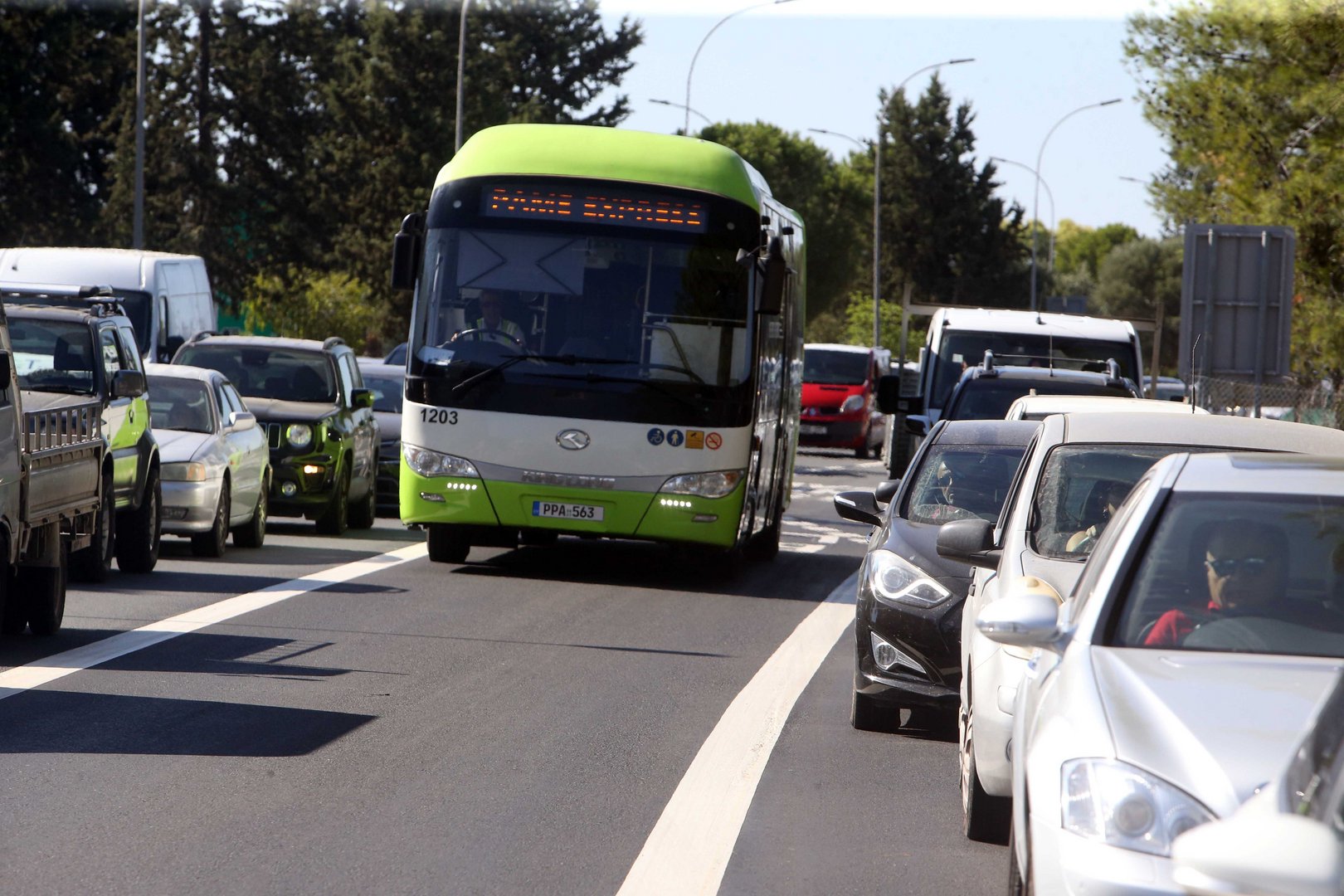
Photo: cyprus-mail.com
The decision to halt the express service comes amid ongoing attempts to address a nationwide lack of bus drivers. CPT’s financial director, Tryfonas Hadjichristos, stated, “The reason we are proceeding with the suspension of the service is none other than the lack of workforce.” This shortage affects not only CPT but also other transport operators across the island.
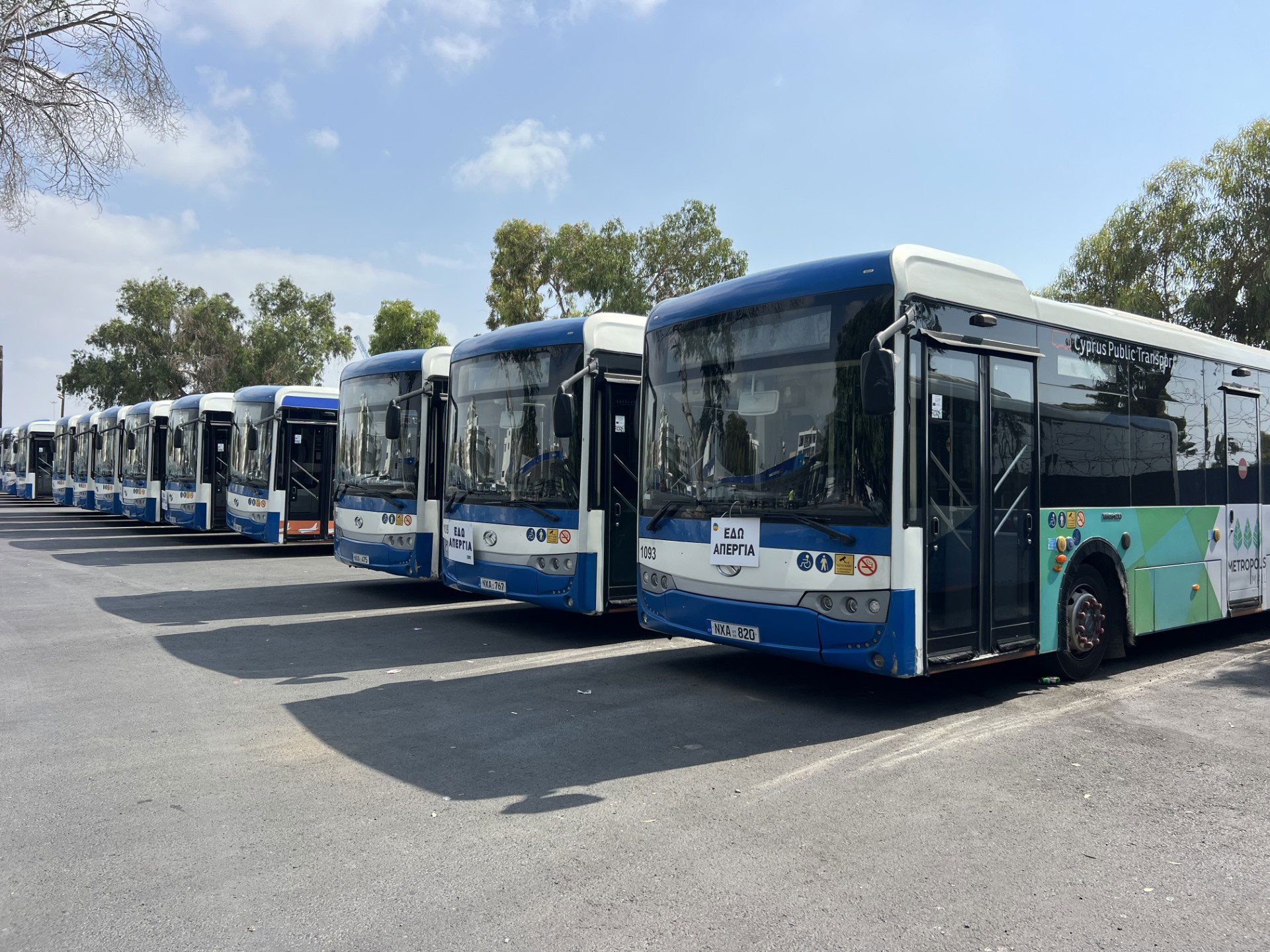
Photo: cyprus-mail.com
The Pame Express was implemented to alleviate traffic congestion in central Nicosia by encouraging commuters to park at the stadium and take the bus into the city. However, the service relied on a small team of seven dedicated drivers, who managed approximately 80 routes daily. As pressure mounted, CPT had to divert drivers from other lines to keep the express service operational.
Hadjichristos explained, “We are obliged by contract to operate the main line services. The express is an additional service, even though it has been very successful.” The suspension, therefore, is a reflection of operational priorities rather than a lack of demand.
The situation has led to a dispute between CPT and the transport ministry regarding the responsibility for recruitment. Transport ministry spokesman Antonis Constantinou confirmed the government had been notified of the service suspension but stressed that driver recruitment falls under the operator’s remit. “The company sent a letter informing us that the service will stop on March 23 due to a lack of drivers,” he remarked.
Regulatory constraints also complicate recruitment efforts. In Cyprus, drivers must be at least 24 years old and proficient in both Greek and English. Constantinou noted, “In many European countries, the minimum age is 21, so we are examining how national legislation can be aligned with European rules.” He cautioned, however, that legislative changes will not be implemented quickly.
Industry representatives suggest that the existing age and language requirements significantly narrow the pool of potential recruits. Hadjichristos pointed out that the language barrier poses a major obstacle for hiring foreign drivers, stating, “There is free movement of workers across the European Union, but in Cyprus the driver must speak Greek well. That becomes an obstacle because many potential drivers cannot meet that requirement.”
Moreover, becoming a qualified professional driver in Cyprus entails considerable time and expense. Training from novice to professional driver can take up to eight months and costs approximately €1,600. This includes obtaining a category D licence and a certificate of professional competence, with examinations available in English, Greek, or Turkish.
The ageing workforce further exacerbates the problem, as experienced drivers retire faster than they can be replaced. Hadjichristos lamented, “Drivers are leaving faster than they are being replaced. As older drivers retire, staff numbers are simply not being renewed at the same rate.” This shortage is not unique to Cyprus; many European countries face similar challenges in filling vacancies.
The Confederation of Passenger Transport reported a shortfall of over 4,000 bus and coach drivers across Europe as of late 2025. Although the EU has approved legislation to lower the minimum age for bus drivers in member states, concerns about safety remain. The European Transport Safety Council warns that younger drivers are statistically more likely to be involved in serious road accidents.
Higher wages have not resolved recruitment struggles. Bus driver salaries in Cyprus range from approximately €1,500 to over €2,000 monthly, with the potential to earn up to €3,000 including overtime and bonuses. Operators also offer additional benefits like a 13th salary and provident fund contributions to attract candidates. Despite these incentives, the profession struggles to compete with other sectors.
Public transport in Cyprus faces broader structural challenges. Data from Eurostat indicates that in 2024, Cyprus recorded the lowest public transport usage in the EU, with 85% of the population indicating they did not use buses or other public transport services. In contrast, the EU average for non-usage was 50.6%. The lack of alternative transport systems, such as metro or tram networks, means that buses remain the sole option for mass transit, while high car ownership dominates mobility patterns.
The suspension of the Pame Express highlights the difficulties in maintaining efficient public transport during a staffing crisis. Although the service had proven popular, CPT is now prioritising essential routes amid staffing shortages. Hadjichristos stated, “Of course, it would be ideal if more Cypriots wanted to do this job. But the reality is that many simply do not want this type of work, much like what we see in the service sector.” CPT continues to seek solutions and work with the transport ministry to expand recruitment efforts, even as the fundamental challenge of attracting workers to the profession persists.