Cyprus recorded the lowest forest growth rate among EU member states in 2023, at just 1.6 per cent, as revealed in recent data from Eurostat. This stark figure highlights the ongoing challenges faced by the island in terms of sustainable land management and environmental health.
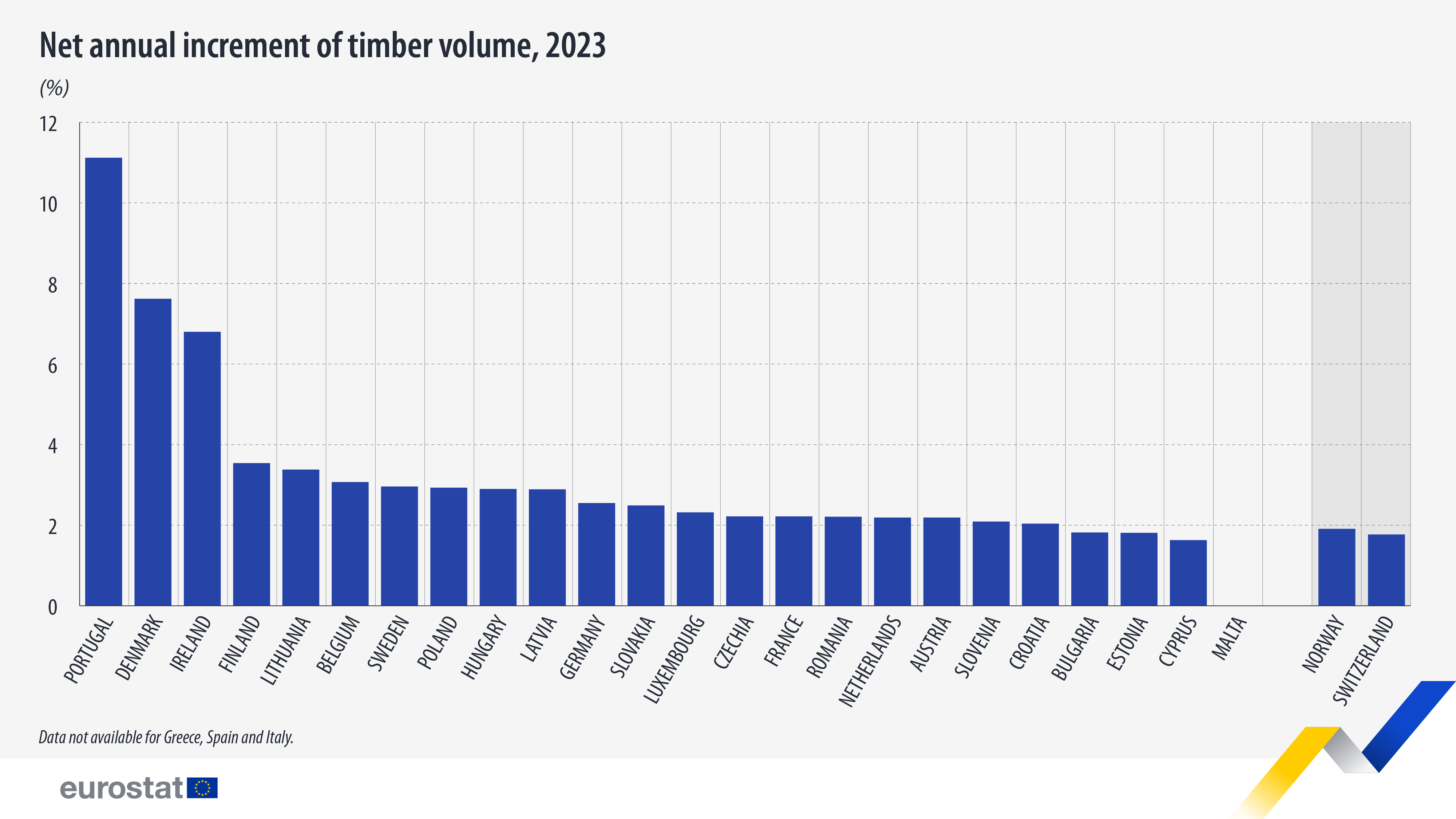
Photo: cyprus-mail.com
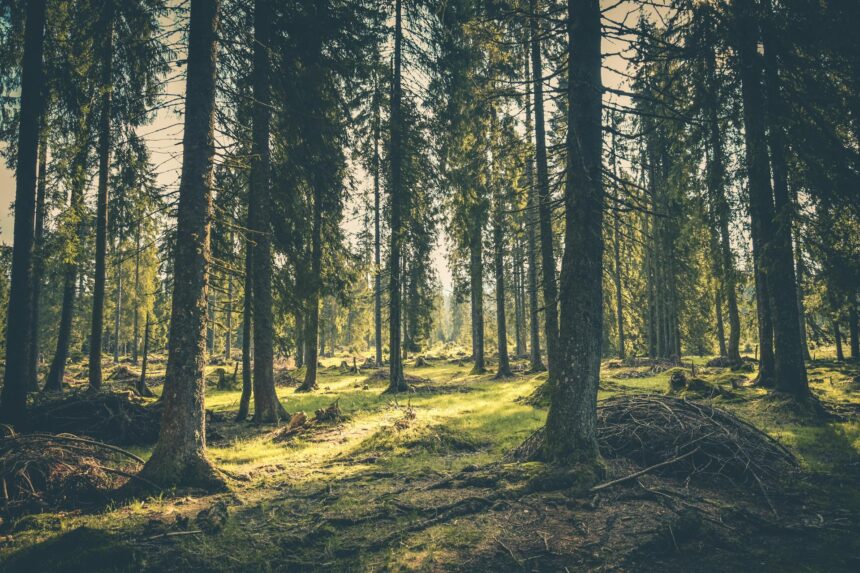
State forest land in Cyprus covers approximately 18 per cent of the island’s total area, comprising natural pine forests, reforested sections, grasslands, and various non-forested lands, including dams and mining sites. This limited growth rate places Cyprus alongside other EU nations with poor forest growth, such as Malta, which reported zero growth, and Bulgaria and Estonia, both at 1.8 per cent.
In contrast, Portugal leads the EU with an impressive forest growth rate of 11.1 per cent, followed by Denmark at 7.6 per cent. These disparities underscore the differing approaches and environmental conditions present across member states.
The Eurostat data further reveals that Cyprus is among the countries with the lowest net growth of timber stock. This is significant given the EU’s emphasis on sustainable forest management as a means to bolster the bioeconomy and achieve climate targets. High net growth rates have been observed in nations such as Ireland and Latvia, highlighting a potential area for improvement for Cyprus.
Despite its low forest growth, Cyprus maintains a heavy reliance on timber imports from both EU member states and third countries. In its 2025 timber market statement to the United Nations Economic Commission for Europe (UNECE), the Cypriot forestry department articulated a shift in focus. The government has redirected its management of forest resources towards environmental protection, biodiversity conservation, and recreational uses, rather than timber production alone.
This strategic pivot reflects a growing recognition of the broader social and environmental benefits that forests can provide. However, this approach has inadvertently constrained domestic timber production, resulting in an increased dependence on imports to satisfy local demand.
The implications of Cyprus’s low forest growth rate extend beyond simple statistics. They touch on vital issues such as environmental sustainability, economic reliance on imports, and the strategic direction of national forestry policy. As the EU continues to prioritise sustainable practices, Cyprus faces significant challenges in aligning its domestic policies with regional goals.