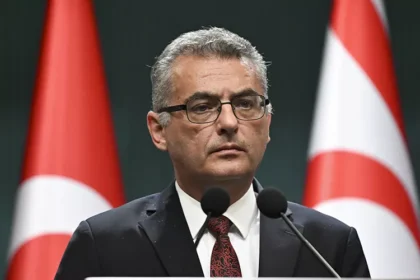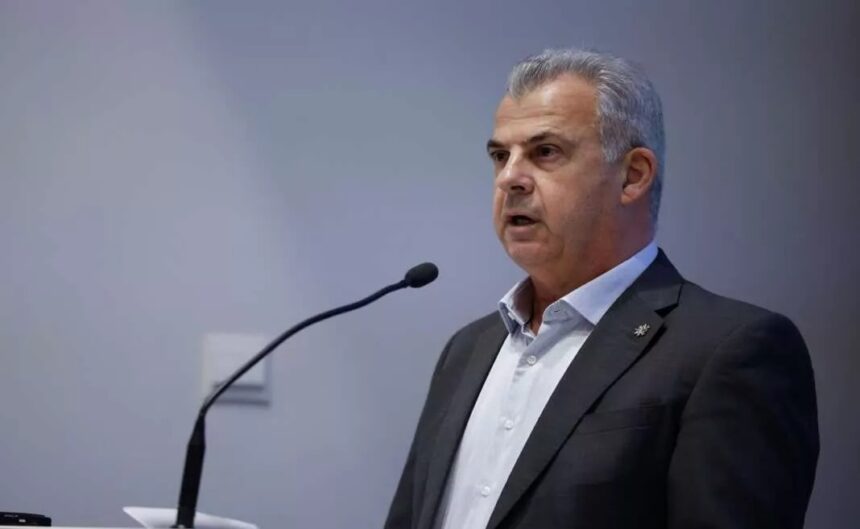
Cyprus is taking a bold step in its fight against organised crime by establishing a dedicated task force aimed at targeting gang leaders through financial investigations and asset seizures. Justice and Public Order Minister Costas Fytiris announced the initiative, emphasising the need to dismantle the networks that allow these crime bosses to operate with impunity.
In an interview with Kathimerini, Fytiris acknowledged the challenges posed by crime bosses who often shield themselves by orchestrating criminal activities through others. “Our goal is the heads of the gangs,” he stated. “But they know how to protect themselves, so they get others to do the dirty work, with the result that they themselves remain out of the firing line.” This admission highlights the complexities of tackling organised crime, where the true leaders often remain hidden behind layers of operatives.
The minister reiterated that the government’s priority is to bolster citizens’ sense of security and uphold the rule of law. “We are applying continuous pressure and we are waiting for them,” Fytiris said, reflecting a commitment to an aggressive approach toward dismantling these criminal enterprises.
Addressing concerns about police integrity, Fytiris rejected allegations of cover-ups within the police force. He described the police as “the castle protecting society and democracy” and insisted that isolated incidents of corruption do not represent the overall integrity of the force. “There cannot be side gates or traitors,” he asserted, reinforcing his confidence in the police’s role in maintaining public safety.
Organised crime has been known to infiltrate various sectors, particularly in government services like the Land Registry and Tax Department. Fytiris stressed the importance of implementing monitoring and response mechanisms to prevent such encroachments, indicating a proactive stance against corruption.
The newly formed task force will employ a “follow the money” approach, integrating police officers and relevant state departments to scrutinise financial and asset data. This unit will focus on tracing illicit funds and seizing assets that cannot be justified by legitimate professional activities. Fytiris mentioned that the task force’s contributions to combating organised crime and money laundering will be substantial.
Once operational in March, the task force will collect and analyse information, conduct legal surveillance pending legislative approval, and ensure immediate operational responses. Collaboration with other services and international bodies will also be a cornerstone of its operations, enhancing the effectiveness of Cyprus’s crime-fighting efforts.
In related news, Fytiris addressed the transfer of Simon Mistriel Aykut to Israel, confirming that it would proceed under a multilateral agreement involving Cyprus and other nations. He noted that the transfer hinges on the receiving state’s acceptance of the sentence, stating that Cyprus has received written confirmation from Israel’s Ministry of Justice regarding this matter.
Furthermore, concerning the Annie Alexoui case, the minister indicated that efforts are underway to establish an appropriate procedure for collecting evidence that Alexoui claims to possess. This step is essential for initiating investigations into related cases, showcasing the government’s commitment to thorough and transparent law enforcement.