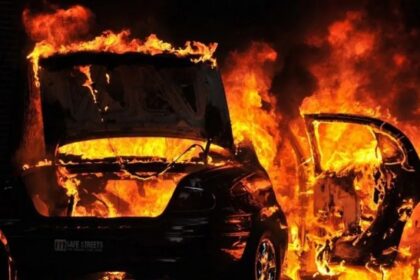
An unusual wave of three simultaneous fires erupted on Sunday across the Paphos district, forcing authorities to scramble for air support as most contracted firefighting helicopters had already been decommissioned.
Helicopters: Unexpected Fires Strike Paphos
The fires broke out in the areas of Kathikas – Akoursos, Pachna, and Koili – Stroumpi, highlighting the challenges faced by the Republic of Cyprus in managing fire risks during an unseasonably warm autumn. With temperatures remaining high and drought conditions persisting, the need for aerial firefighting support became urgent.
Limited Air Fleet Availability
As of mid-November, all leased firefighting aircraft were released as per operational protocols, leaving the Republic with a mere three state-owned Air Tractor 802 planes. Unfortunately, one of these was non-operational due to mechanical failure, and of the two that were activated, one broke down shortly thereafter. This left only a single aircraft capable of water drops during this critical period.
Support from Secondary Aircraft
In light of the limited resources, authorities sought assistance from secondary aircraft. An AW139 helicopter from the National Guard and a Bell 412 helicopter from the Police’s Anti-Terrorist Unit joined the operation, bringing the total number of active aircraft to three at one point, depending on the availability and needs at each fire site.
Absence of British Bases Helicopter
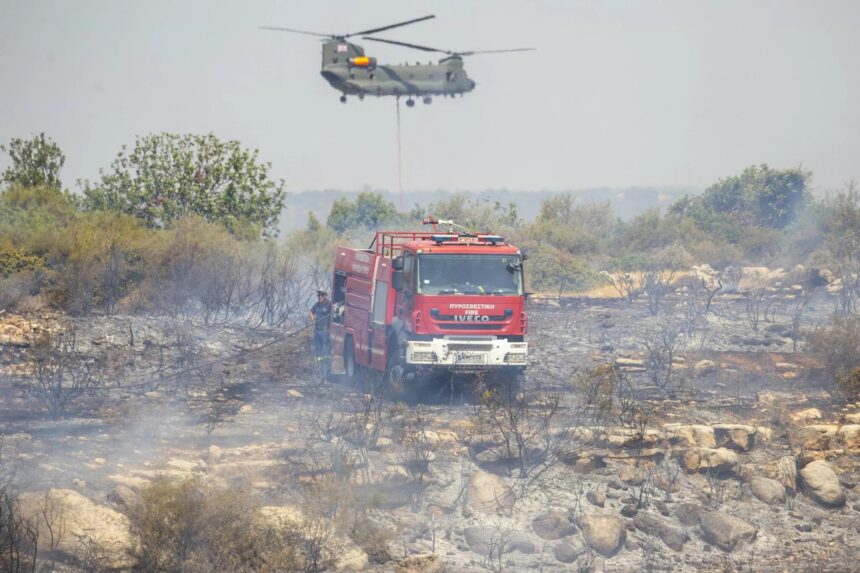
This year, the situation was further complicated by the absence of support from British Bases, which had previously provided a Chinook helicopter capable of carrying five tonnes of water. The Bases had informed the Republic that they would no longer provide standing assistance under the previous inter-state cooperation framework, leaving a significant gap in aerial firefighting capabilities.
Revising Firefighting Protocols
The recent fires have prompted authorities to reassess their fire season protocols. The heightened risk of wildfires due to ongoing high temperatures and drought conditions has led to a decision to temporarily return two helicopters from Jordan to bolster the firefighting fleet. The fact that aerial resources were required for three separate fires on 23 November raises serious concerns about the adequacy of fire protection measures outside the traditional summer months.
As Cyprus grapples with the implications of climate change, officials may need to rethink the duration and philosophy of the fire season, alongside the operational protocols that govern the availability of firefighting aircraft. The challenges faced this autumn serve as a stark reminder of the evolving nature of fire risks in the region.