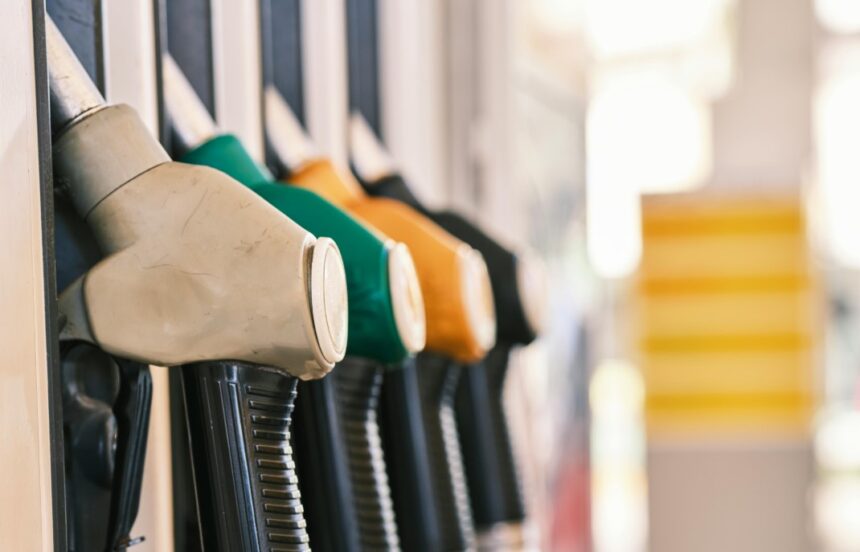
Diesel prices in Cyprus have surged as the country experiences one of the highest monthly increases in the European Union, reflecting significant pressures in the energy market.
- Diesel prices in Cyprus have surged as the country experiences one of the highest monthly increases in the European Union, reflecting significant pressures in the energy market.
In April 2026, fuel prices across the EU rose dramatically, with diesel witnessing a staggering increase of 33.7 per cent compared to the previous year. This surge followed a 19.8 per cent rise recorded in March, highlighting a troubling trend in fuel costs that has begun to impact consumers.
According to Eurostat, the cost of fuels and lubricants for personal transport in the EU rose by 20.8 per cent from April 2025 to April 2026, marking a sharp reversal after a period of declining prices in the early months of 2026. Cyprus reported an 18 per cent jump in diesel prices from March to April, placing it among the highest monthly increases in the bloc.
The price hikes have not been uniform across Europe. The highest annual increases were seen in Luxembourg at 33.8 per cent, while France and Sweden both reported a 29.3 per cent rise. Bulgaria and Latvia also experienced substantial increases, indicating a widespread issue affecting many member states.
Interestingly, while Cyprus faced significant increases, some countries saw much lower rises. Hungary recorded the smallest increase at just 1.5 per cent, with Poland and Italy also on the lower end of the scale at 8.8 per cent and 12.9 per cent, respectively. This disparity highlights the varying impacts of the energy crisis on different nations within the EU.
In April alone, diesel prices across the EU rose by 7.9 per cent on a monthly basis, while petrol saw a smaller increase of 2.4 per cent. This trend has led to renewed concerns among households, as rising fuel costs directly affect transport expenses and overall living costs.
The volatility in fuel prices is expected to have broader implications for the economy, with many citizens in Cyprus and across the EU feeling the pinch at the pump. As fuel costs continue to climb, questions arise about the sustainability of these increases and the potential for further economic strain on families and businesses.
With 15 EU member states experiencing annual increases exceeding 20 per cent, the fuel market remains under pressure. The situation calls for close monitoring as officials and consumers alike navigate the challenges posed by fluctuating fuel prices.