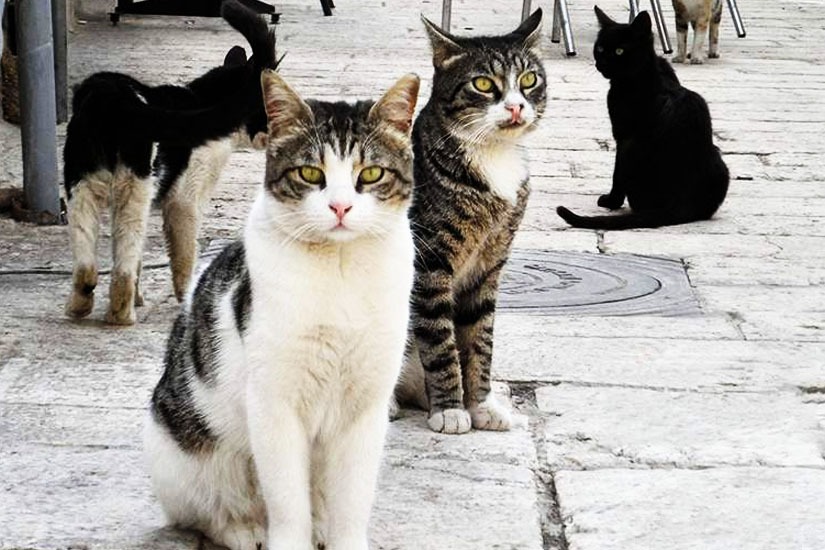
Animal welfare groups in Cyprus have halted all stray cat sterilisations due to increasing physical and verbal attacks on their volunteers. The decision was announced by the Cyprus Federation of Animal Welfare Organisations, which has taken a stand following months of threats, complaints, and assaults directed at those involved in Trap-Neuter-Return (TNR) programmes.
Stray cat: Rising Threats to Volunteers
Volunteers engaged in the TNR initiative have encountered significant challenges while attempting to catch stray cats for sterilisation. Reports indicate a worrying trend of hostility, culminating in several incidents where volunteers were subjected to violent confrontations. The federation highlighted that the state has not provided adequate protection for these individuals, who often finance the sterilisation procedures out of their own pockets.
Police Inaction and Volunteer Treatment
Rather than receiving support, many volunteers have faced legal repercussions, being taken to police stations and treated as offenders. The Cyprus Federation of Animal Welfare Organisations claimed that police have actively obstructed their work, further exacerbating the difficulties faced by those striving to manage the stray cat population humanely.
Consequences of the Halted Programmes
The federation has expressed deep concern over the implications of suspending TNR programmes. They warn that the cessation of these scientifically recognised and humane methods will likely lead to uncontrolled breeding among stray cats, resulting in increased animal suffering. This poses a potential crisis for local municipalities, which may struggle to manage an escalating stray cat population.
Call for State Support
Animal welfare organisations have made it clear that they will only resume their operations once they receive official written authorisations from the authorities. This call to action comes after years of feeling unsupported, as the federation believes that the state has consistently overlooked its responsibilities in managing the stray animal population.
The Importance of TNR Programmes
Trap-Neuter-Return is a widely accepted approach within animal welfare circles aimed at controlling the stray cat population. The method involves humanely trapping stray cats, having them sterilised, and then returning them to their original locations. This approach not only helps to reduce the number of stray cats but also improves the lives of those that remain on the streets.
Community Involvement and Responsibility
Community involvement plays a crucial role in the success of TNR programmes. Volunteers dedicate their time and resources to help manage the stray cat population, often working closely with local animal welfare organisations. However, the ongoing violence against these volunteers highlights the need for greater community support and understanding of the importance of humane animal management.
Looking Ahead
The Cyprus Federation of Animal Welfare Organisations remains hopeful that the suspension of TNR programmes will prompt a wider discussion on the treatment of volunteers and the need for state intervention. Without a shift in approach, the federation fears that the situation will worsen, leading to greater challenges for both animals and the communities in which they live.
A Call to Action for Authorities
The federation’s decision to suspend the TNR programmes serves as a stark reminder of the challenges faced by animal welfare organisations in Cyprus. It calls on authorities to take immediate action to protect volunteers and provide the necessary support to continue essential animal welfare efforts. Until then, the fate of many stray cats hangs in the balance.