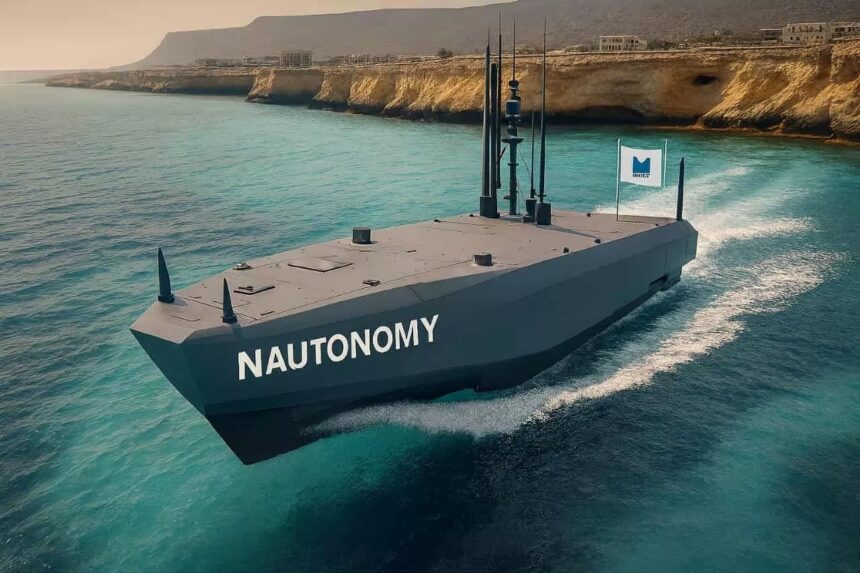
Cypriot technology is at the forefront of innovation with the recent establishment of Nautonomy Ltd, a new company dedicated to manufacturing unmanned sea vessels. This venture is the first commercial spinout from the Cyprus Marine and Maritime Institute (CMMI), launched in September 2023, aiming to develop autonomous maritime technologies for both military and civilian purposes.
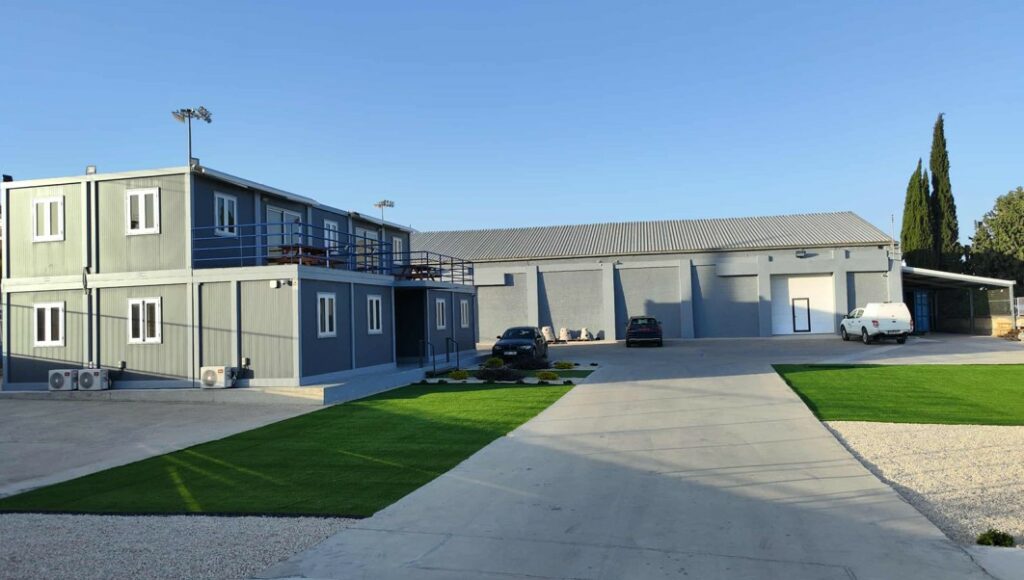
Photo: in-cyprus.philenews.com
Sea drones: Innovative Unmanned Sea Vessels
Nautonomy Ltd will focus on producing sea drones, which include unmanned surface and underwater vessels. These drones are expected to serve various functions, including aiding the defence forces, police, and search-and-rescue operations in Cyprus. Additionally, they will support marine monitoring and the surveillance of protected areas.
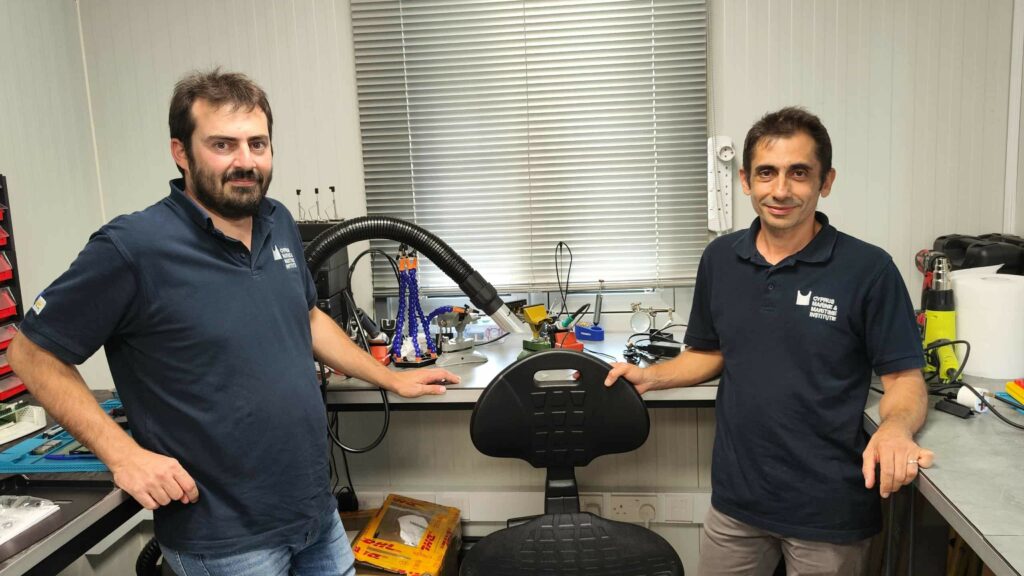
Photo: in-cyprus.philenews.com
Support from Defence Authorities
The significance of this initiative has been recognised by key defence officials. André Denk, the director of the European Defence Agency, recently visited CMMI’s facilities in Oroklini and expressed his satisfaction with Nautonomy’s plans. The Defence Ministry is also in discussions regarding the potential applications of these technologies for national security.
Leveraging Local Expertise
Zacharias Siokouros, the CEO of CMMI, stated, “This is a sector developing rapidly worldwide and we’re not behind other countries, unlike in other defence sectors.” He highlighted that while Cyprus may not have the capacity to manufacture tanks or planes, the institute is well-positioned to create advanced unmanned vessels. CMMI has been a pioneer in marine robotics since its inception, licensing its technology to researchers interested in commercial applications.
Collaboration with Local Authorities
Through its initiatives, CMMI aims to collaborate with local authorities such as the Cyprus Police, the Defence Ministry, and the Joint Rescue Coordination Centre (JRCC). Siokouros mentioned that the technology could be used for non-military purposes as well, including marine monitoring and the safeguarding of Marine Protected Areas. This dual-use capability underscores the versatility of the sea drones.
Founders with a Vision
Nautonomy’s co-founders, Christos Keleshis and Christos Constantinides, bring extensive experience in the field of unmanned aerial vehicles. Both previously worked at the Cyprus Institute, where they developed numerous aerial drones, some of which were acquired by the Forestry Department and National Guard.
Keleshis expressed enthusiasm about the potential for commercialising their technology, stating, “After 15 years with drones, I discovered CMMI existed and that it had an interest in commercialising technology, which interests me greatly.” This passion for innovation is evident in their goal to see their designs and prototypes come to fruition.
Addressing National Security Needs
The sea drones are designed for various applications, including remote monitoring of national security, border surveillance, and checks for illegal migrant entry. These unmanned vessels can assist in protecting critical infrastructure, which is increasingly vital in today’s security landscape.
Operational Flexibility
According to Constantinides, there are two primary methods for controlling the unmanned vessels: via remote control or through onboard computer systems. The drones are capable of remaining at sea for several hours to several days, depending on their engine specifications. This operational flexibility makes them suitable for a range of missions.
Market Viability and Future Prospects
Nautonomy plans to offer a comprehensive package, including both the sea drone and the control system. The vessels can be produced by Nautonomy, CMMI, or in collaboration with external partners such as boat manufacturers. The system is designed to accommodate both conventional and zero-emission energy sources, highlighting Nautonomy’s commitment to sustainability.
Keleshis noted, “We’ve done market research and we’ve already been approached by other companies from abroad that have problems with the systems they have on their unmanned vessels.” This interest from international entities suggests a promising market for Cypriot technology.
Cyprus’s Scientific Landscape
Cyprus boasts a strong scientific community, ranking first in Europe for scientific publications, significantly exceeding the average. Siokouros pointed out the importance of developing technologies in areas where Cyprus has proven capabilities, alongside securing the necessary funding to manufacture products locally.
Constantinides reiterated the potential of Cypriot scientists, stating that the prevailing notion that local researchers lack expertise compared to their international counterparts is a misconception. “With the trips we made and the people we met, we saw that we’re hardly behind at all,” he remarked.
The Growth of CMMI
Founded in 2020 during the pandemic, CMMI has rapidly grown from a small group of scientists to an organisation employing 65 people across three facilities in Larnaca. The institute serves as a centre for excellence in maritime and marine research, fostering innovation and technological development through significant international collaborations.
The establishment of Nautonomy Ltd marks a significant step forward for Cyprus in the realm of defence technology and maritime innovation, positioning the island as a competitive player in the global market for unmanned sea vessels.