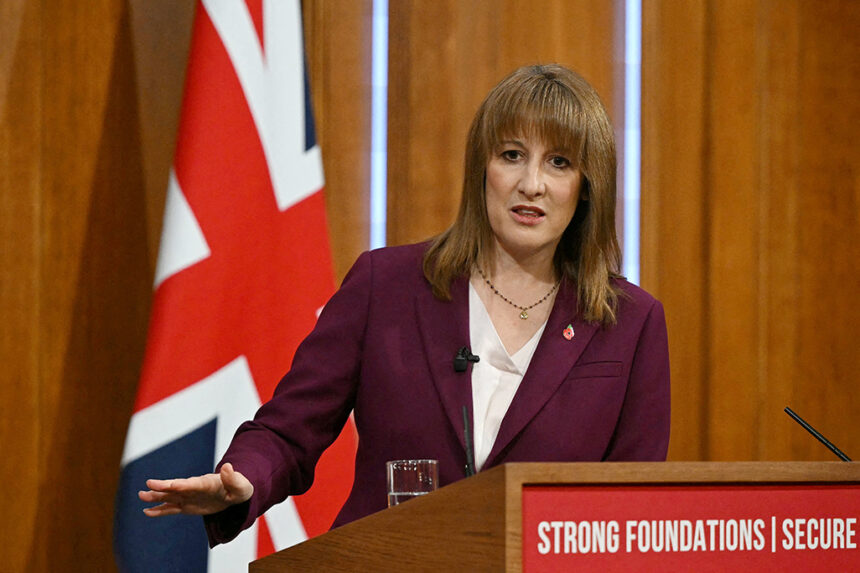
high-value homes — Chancellor Rachel Reeves is preparing to introduce a new levy on high-value homes, a decision that reflects the UK’s shifting fiscal landscape. Set to be unveiled in the upcoming budget on November 26, this measure aims to raise tens of billions of pounds to meet the government’s fiscal targets.
The Telegraph reported that this new levy will primarily affect hundreds of thousands of high-value properties, particularly concentrated in London and the southeast. This move comes on the heels of a notable change in policy, as Reeves has opted against increasing income tax, buoyed by improved fiscal forecasts.
High-value homes: Impact on High-Value Properties
Under the proposed plan, the government will leverage the existing council tax system to reassess approximately 2.4 million of the most valuable homes in council tax bands F, G, and H. This reassessment aims to create a more equitable tax environment and ensure that wealthier property owners contribute fairly to public finances.
Implementation of the Levy
According to the report, a separate surcharge will be added to the council tax bills of around 300,000 of the most valuable properties within those bands. This new tax structure is designed to provide a significant boost to government revenue, which has been under pressure due to rising borrowing costs.
Reactions to the Proposed Changes
The finance ministry has declined to comment on the specifics of the proposed levy, stating that they will not discuss tax changes outside of fiscal events. Nevertheless, the intent behind this new levy is clear: to secure additional funding as the government navigates the complexities of post-pandemic recovery.
Market Reactions and Economic Implications
Market sentiment has already begun to reflect the implications of Reeves’ decisions. Following the news, there was a notable increase in UK government borrowing costs, signalling investor concerns over fiscal stability. The market’s immediate reaction is indicative of how closely tied government policy is to investor confidence and economic performance.
As the budget date approaches, analysts will be closely monitoring developments. The extent to which this levy impacts the housing market and consumer spending could have far-reaching implications for the broader UK economy.