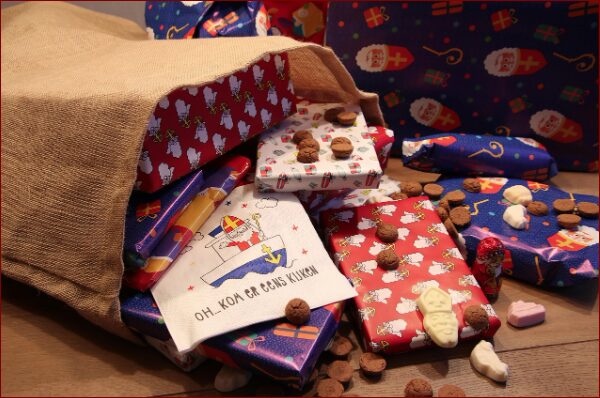
The Sinterklaas tradition in the Netherlands brings joy and excitement to children each December. This centuries-old celebration, rooted in history, holds a special place in Dutch family life. Unlike Santa Claus, Sinterklaas, who is based on Saint Nicholas, arrives by steamboat from Spain, creating a unique festive atmosphere that captivates millions.
Understanding the Origins of Sinterklaas
Sinterklaas, deriving from the figure of Saint Nicholas of Myra, is celebrated each year on December 5th, known as Sinterklaasavond (St. Nicholas’ Eve). This tradition has evolved since the Middle Ages, embedding itself into the cultural fabric of the Netherlands. The arrival of Sinterklaas in mid-November marks the beginning of the festive season, with children eagerly anticipating his visit.
Differentiating Sinterklaas from Santa Claus
While Sinterklaas and Santa Claus share historical roots, they exhibit distinct differences:
- Appearance: Sinterklaas dons a bishop’s robe and mitre, carries a crosier, and rides a white horse, unlike Santa’s sleigh.
- Arrival: Sinterklaas arrives by boat from Spain in November, while Santa comes on Christmas Eve via chimney.
- Gift-giving: Dutch children receive gifts on December 5th, contrasting with the 25th for Santa.
- Helpers: Known as Pieten, Sinterklaas’ helpers play a significant role in distributing gifts.
How Mothers Make Sinterklaas Special
The Sinterklaas season is particularly significant for mothers in the Netherlands. They take on the responsibility of creating a magical experience for their children, from crafting wish lists to filling shoes with small surprises. This preparation includes decorating homes, baking traditional treats like pepernoten, and organising pakjesavond, which fosters creativity and quality family time.
The Art of Poetic Gift-giving
A standout feature of Sinterklaas celebrations is the tradition of writing personalised poems to accompany gifts. These poems often playfully reflect on the recipient’s behaviour throughout the year. This practice not only enriches the gift-giving experience but also nurtures language skills and creative expression in children.
Daily Rituals: The Shoe Placing Tradition
One cherished tradition involves “Schoen zetten”, where children place their shoes by the fireplace or door, often accompanied by a drawing or a carrot for Sinterklaas’ horse. This ritual, which can occur multiple times leading up to December 5th, serves as an exciting way for children to engage with the tradition while parents manage the balance between anticipation and practicality.
The Grand Arrival Parade
The official arrival of Sinterklaas is a nationally celebrated event, with different towns hosting the festivities each year. Families gather to witness the steamboat arrival and cheer as Sinterklaas rides through the streets. For mothers, attending this event creates lasting memories and marks the start of the festive countdown.
School Celebrations and Community Involvement
Schools across the Netherlands actively participate in the Sinterklaas tradition. Children often bring in their shoes, while teachers and parents collaborate to arrange gifts and craft activities. In upper grades, students engage in surprise exchanges, where they gift each other small presents, fostering planning and social kindness under the guidance of involved mothers.
Culinary Delights of Sinterklaas
Food plays a crucial role in the Sinterklaas celebrations, with seasonal favourites such as:
- Pepernoten: Small spiced cookies that are a staple.
- Speculaas: Spiced biscuits shaped for the occasion.
- Chocolate letters: Each child receives a chocolate letter representing their name.
- Marzipan figures: Decorative treats that delight children.
Baking these treats often becomes a family bonding experience, where mothers impart culinary skills and family recipes to their children.
Embedding Values Through Tradition
The Sinterklaas tradition is rich with lessons that extend beyond mere festivities. Mothers use this time to instil values like generosity, patience, and gratitude through storytelling and community participation. The ritual of gift-giving, writing poems, and engaging in local events fosters a spirit of warmth and cooperation among families.
Adapting to Modern Sensibilities
Recent discussions surrounding the portrayal of Sinterklaas’ helpers have prompted families and schools to adopt more inclusive representations, such as Roetveeg Piet (Soot Piet). Mothers often guide their children through these changes, promoting understanding and empathy while preserving the essence of the tradition.
Embracing Sinterklaas as an Expat Family
For international families in the Netherlands, embracing the Sinterklaas tradition can be both rewarding and challenging. By participating in local events, decorating homes, and learning Dutch songs, expat mothers can create meaningful connections with the culture while blending their own holiday customs.
The Enduring Appeal of Sinterklaas
The Sinterklaas tradition endures due to its deep cultural significance and its ability to adapt over time. For mothers, it transforms into a season filled with joy, creativity, and valuable lessons. In a modern, digital world, the charm of Sinterklaas continues to thrive, uniting families in meaningful ways through simple yet profound traditions.