The Audit Office is not currently investigating the Paphos municipality, but auditor-general Andreas Papaconstantinou indicated that any irregularities would soon come to light. Speaking on Wednesday, he emphasised the importance of transparency in government dealings, stating, “everything will be in the light” if issues arise.
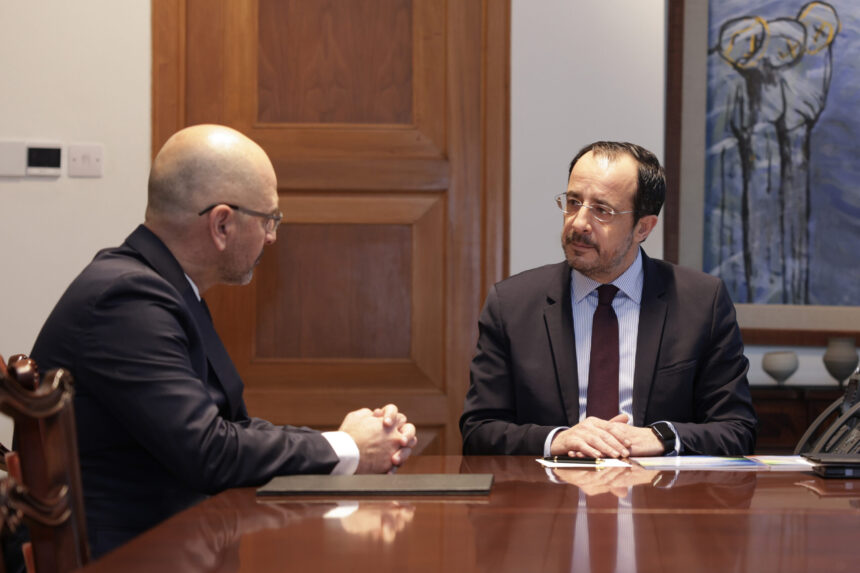
During a press briefing following his presentation of the Audit Office’s report for 2024-2025 to President Nikos Christodoulides, Papaconstantinou addressed ongoing concerns regarding the municipality. He mentioned that complaints had been received and that he would meet with residents to discuss their experiences further. He clarified, “When I receive these complaints and they are evaluated, we will decide when and which reviews to carry out.” This procedure is standard for evaluating potential issues across various municipalities.
In addition to his comments on the Paphos municipality, Papaconstantinou expressed frustration over the delays in completing the Vasiliko terminal project, labelling them as “unacceptable.” He noted that undercover inspections were being conducted to better understand public sentiment on state services and departments.
Paphos municipality: Addressing Complaints and Concerns
The auditor-general acknowledged the existence of some complaints regarding the Paphos municipality, stating, “We have some complaints.” He also disclosed that a previous complaint had been forwarded to the police and was now with the attorney-general for further action.
Plans were mentioned to investigate two high-risk municipalities in the Limassol district, although this programme may be subject to change. Papaconstantinou assured the public that his office remains committed to oversight and scrutiny, highlighting the necessity of maintaining accountability within local government.
Discussion on Energy Projects
During his meeting with President Christodoulides, Papaconstantinou discussed various energy projects, particularly the Vasiliko terminal and the Great Sea Interconnector cable. He reiterated that the Audit Office’s role is to inspect and report rather than execute, stating, “The Audit Office inspects, it does not execute.” The responsibility for resolving issues lies with the relevant state bodies.
He remarked on the significant investment the state has made in both Vasiliko and the GSI, underscoring the need for effective planning and management to mitigate risks associated with such large projects. The auditor-general noted that the situation regarding Vasiliko is particularly concerning, adding, “We are very much behind; it is an unacceptable situation which the president acknowledges.”
Enhancing Audit Office Efficiency
Papaconstantinou expressed his commitment to improving the Audit Office’s productivity, suggesting that the number of reports issued could double by 2026. This initiative is part of a broader strategy to enhance the office’s effectiveness and ensure that issues within the civil service are addressed promptly.
He highlighted the challenges state services face, stating, “We are trying to be targeted in our inspections.” By conducting unannounced inspections, the Audit Office aims to gain a genuine understanding of public experiences and to apply what he described as “polite pressure” to encourage improvements.
Quality control has been introduced as part of this initiative, with plans to release reports on specific departments, including an upcoming evaluation of an accident and emergency department that was inspected at midnight. This level of scrutiny reflects the Audit Office’s commitment to transparency and accountability within public services.