flood risks — The Tamassos, Germasogeia and Polemidia dams pose a significant flood risk to downstream communities, an audit official warned parliament on Friday.
- flood risks — The Tamassos, Germasogeia and Polemidia dams pose a significant flood risk to downstream communities, an audit official warned parliament on Friday.
- In a broader context, Kikas urged attention to the Kouris Dam, noting that the Limassol-Paphos road runs at a lower elevation, increasing the danger for nearby communities.
- Kikas disclosed that there are 15 private dams in need of monitoring, as their construction has not adhered to legislation established for unified water management, which was enacted in 2010.
- Officials confirmed that the failed pipe was metallic, adding another layer of complexity to the dam's safety considerations.
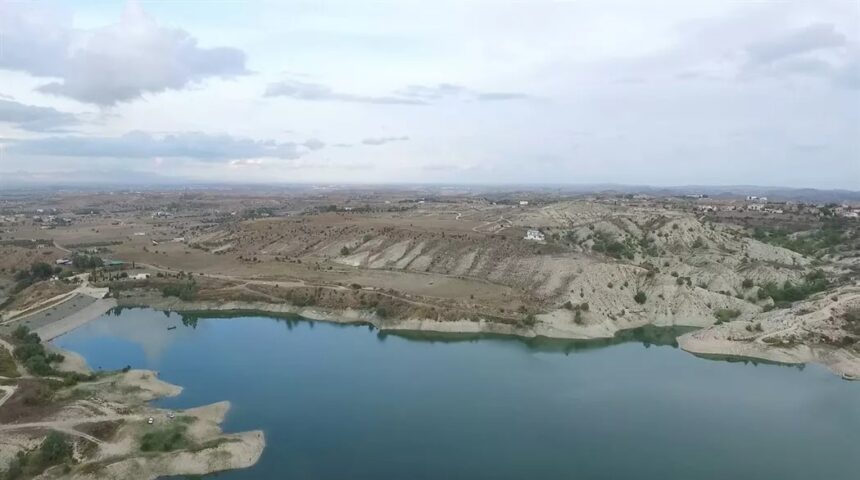
Akis Kikas from the Audit Office addressed the Parliamentary Audit Committee, identifying these three dams as particularly hazardous due to their locations above populated areas. “Regarding the flood probability maps of the Water Development Department, the three dams of Tamassos, Polemidia and Germasogeia were characterised as the most dangerous because communities exist below them,” Kikas stated.
In a broader context, Kikas urged attention to the Kouris Dam, noting that the Limassol-Paphos road runs at a lower elevation, increasing the danger for nearby communities.
Flood risks: Polemidia Dam Declared Most Hazardous
During the session, Stella Patsali, who oversees dam safety, highlighted that the Polemidia dam is the most dangerous of the facilities. This assertion underscores the urgent need for enhanced monitoring and maintenance protocols across the dam network.
Kikas disclosed that there are 15 private dams in need of monitoring, as their construction has not adhered to legislation established for unified water management, which was enacted in 2010.
Maintenance Issues and Past Reports
The Audit Office previously reported serious maintenance deficiencies back in 2016, revealing that many experienced maintenance personnel had departed from the Water Development Department. Kikas remarked, “The department itself records weaknesses in the reports. For example, regarding preventive maintenance, it is mentioned that systematic maintenance is not carried out on all dams, particularly on electromechanical equipment.”
This lack of systematic maintenance has serious implications. Many outlet valves have not been opened for years, hindering the department’s ability to ascertain whether they would function in an emergency. Furthermore, numerous monitoring instruments at large dams have been neglected, raising concerns about their operational reliability.
Regulatory Oversight Lacking
Patsali confirmed that the warnings about maintenance deficiencies are reflected in departmental reports submitted to the Agriculture Minister for both 2023 and 2024. Kikas further emphasized that large dams need to undergo inspections by independent engineers every ten years. However, he noted, “No such inspections have been identified to date. We pointed this out in 2016 as well.”
In a related matter, Patsali elaborated on the Mavrokolymbos dam, which experienced a failure due to a pipe malfunction. This dam was constructed based on a Yugoslav study that anticipated the dam tower would be submerged in water. Similar construction methods were employed for the Polemidia, Germasogeia, Argakas, and Agia Marina dams, raising concerns about potential future failures.
Officials confirmed that the failed pipe was metallic, adding another layer of complexity to the dam’s safety considerations.